



What's Happening?
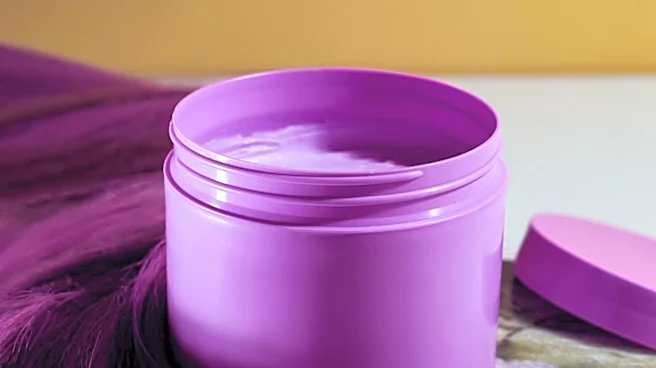
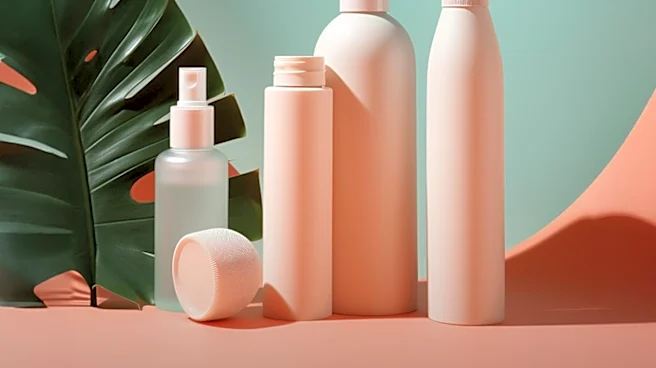
Amcor, a leading packaging company, has significantly expanded its offerings in refillable and refill packaging for beauty and personal care products. This expansion includes solutions in various materials, formats, and sizes, combining rigid containers
with flexible refill packs. The company is now capable of supplying both the original product container and its refill components. Amcor reports a particularly strong demand for these refill solutions within the soap and bath product categories. Recent additions to their portfolio include the customizable Mocha bottle, which can be paired with different closures and pumps, and AmPrima recycle-ready spouted stand-up pouches, available in sizes ranging from 30ml to 2 liters. These pouches are designed for leak resistance and are suitable for e-commerce delivery. According to Lara Alemany, product line director of Amcor Global Rigid Packaging Solutions, a 2025 survey by Innova Market Insights indicated that 42% of global consumers had chosen brands with refillable packaging options in the previous year, with an additional 25% opting for product alternatives in refillable packaging.
Why It's Important?
This expansion by Amcor is important as it directly addresses the growing consumer demand for sustainable packaging solutions within the U.S. beauty and personal care markets. The increasing preference for refillable options, as highlighted by the Innova Market Insights survey, signals a significant shift in consumer behavior towards eco-conscious purchasing. For U.S. businesses in the beauty and personal care sectors, Amcor's expanded portfolio offers practical and scalable solutions to meet these evolving consumer expectations and regulatory pressures for reduced waste. Companies that adopt these refillable packaging strategies stand to gain a competitive advantage by appealing to environmentally aware consumers and potentially reducing their environmental footprint. This trend also impacts the supply chain, encouraging innovation in packaging materials and design to support circular economy principles. The availability of leak-resistant, e-commerce-friendly refill pouches further facilitates the broader adoption of these sustainable practices, making them accessible to a wider range of brands and consumers across the U.S.
What's Next?
The continued expansion of refillable packaging solutions by companies like Amcor suggests a future where sustainable packaging becomes a standard rather than an exception in the U.S. beauty and personal care industries. Brands are likely to increasingly integrate these options into their product lines to cater to consumer preferences and to align with corporate sustainability goals. This trend could lead to further innovations in packaging materials, focusing on increased recyclability and the incorporation of post-consumer recycled content. We can anticipate more collaborations between packaging manufacturers and beauty brands to develop customized, aesthetically pleasing, and functional refill systems. Additionally, the success of these initiatives may prompt policymakers to consider incentives or regulations that encourage the adoption of refillable and reusable packaging, further accelerating the shift away from single-use plastics. Consumers can expect a wider array of products available in refillable formats, making sustainable choices more accessible in their daily routines.
Beyond the Headlines
The shift towards refillable beauty and personal care products represents a broader cultural and ethical re-evaluation of consumption patterns in the U.S. It moves beyond mere product packaging to challenge the 'throwaway' culture that has dominated for decades. This trend encourages consumers to think about the entire lifecycle of a product, fostering a sense of responsibility for environmental impact. For brands, it's not just about offering a refill; it's about building a deeper connection with consumers through shared values of sustainability and longevity. This could lead to a redefinition of luxury, where durability, reusability, and ethical sourcing become as important as product efficacy and brand prestige. The long-term implications include a potential reduction in landfill waste, decreased demand for virgin plastic production, and a more circular economy model for consumer goods, influencing design, manufacturing, and retail strategies across various sectors.