








What's Happening?
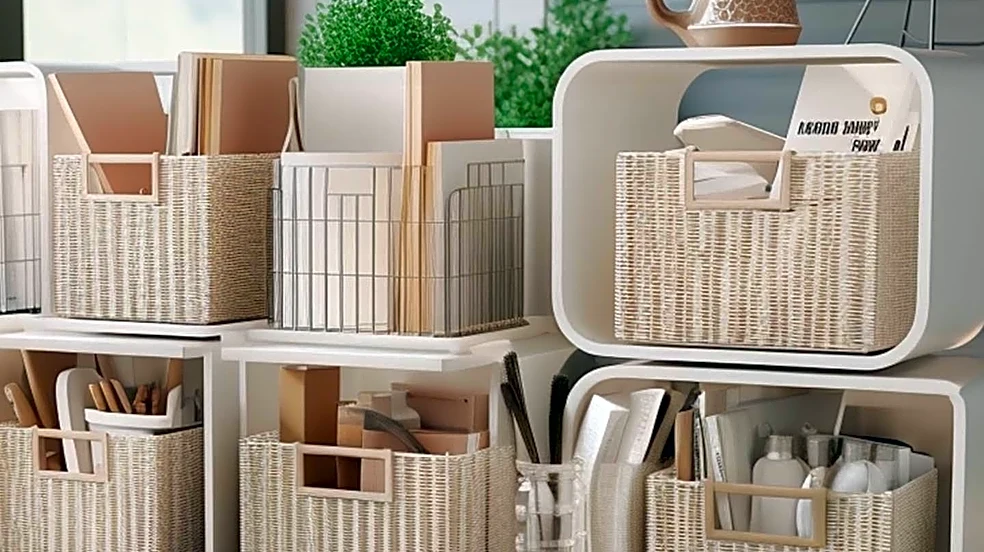
Home organization is evolving beyond simple tidying to focus on integrated storage solutions tailored to individual spaces and routines. Experts highlight the importance of designing systems where items have designated, logical places, making daily maintenance
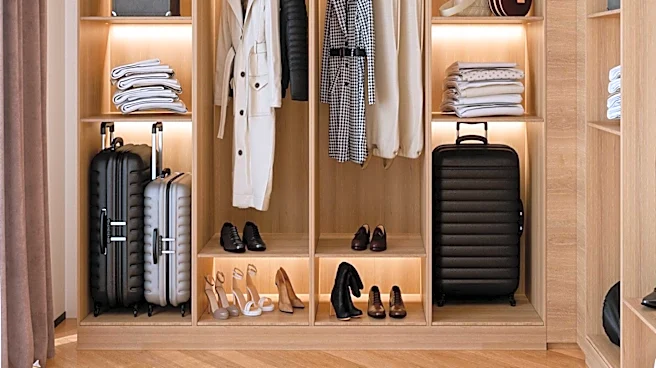
effortless. This approach contrasts with generic retail storage, which often fails to meet specific household needs or withstand environmental factors like humidity, particularly in regions like Southwest Florida. Key areas for impactful organization include primary bedroom closets, garages, laundry rooms, pantries, and home offices. The goal is to create clear sightlines, free up floor space, and utilize vertical storage to make rooms feel larger and more functional. Practical tips include using multi-purpose furniture with hidden storage, optimizing closets with zones and uniform hangers, and employing drawer dividers to maintain order.
Why It's Important?
Effective home organization significantly impacts daily life by reducing friction and stress associated with cluttered environments. For homeowners, well-designed storage systems can improve efficiency, save time, and enhance the overall aesthetic and comfort of living spaces. In regions with specific climate challenges, such as Florida's humidity, proper organization with appropriate materials can prevent damage to belongings and prolong the lifespan of storage solutions. The shift towards custom, built-in storage also represents a move away from disposable, one-size-fits-all products, potentially leading to more sustainable consumption habits. Businesses in the custom storage and home improvement sectors stand to gain from this trend, as consumers seek more personalized and durable organizational solutions. Conversely, retailers of generic storage products may face increased competition from specialized providers.
What's Next?
The trend towards personalized and integrated home organization is expected to continue, with a growing demand for professional services that offer custom design and installation. Homeowners are likely to prioritize phased organizational projects, starting with high-impact areas like primary closets and garages before moving to other spaces. Manufacturers of home goods may adapt by offering more modular, customizable, and climate-resilient storage options. Additionally, the market for smart home organization tools, such as apps for inventory management or automated storage systems, could see further development. Consumers will likely become more discerning, seeking solutions that not only organize but also enhance the long-term functionality and value of their homes.
Beyond the Headlines
The emphasis on tailored home organization reflects broader societal shifts towards intentional living and mindfulness. Beyond mere aesthetics, a well-organized home can contribute to mental well-being by reducing visual clutter and the cognitive load associated with disarray. This movement also highlights the environmental impact of consumer choices, as durable, custom solutions may reduce the frequency of replacements compared to cheaper, less robust alternatives. Ethically, the industry faces the challenge of making custom organization accessible to a wider range of income levels, as bespoke solutions can be costly. Culturally, the 'Marie Kondo effect' and similar movements have popularized decluttering, but the current trend moves beyond simple purging to a more systemic and permanent approach to managing personal belongings within the home environment.