
What's Happening?
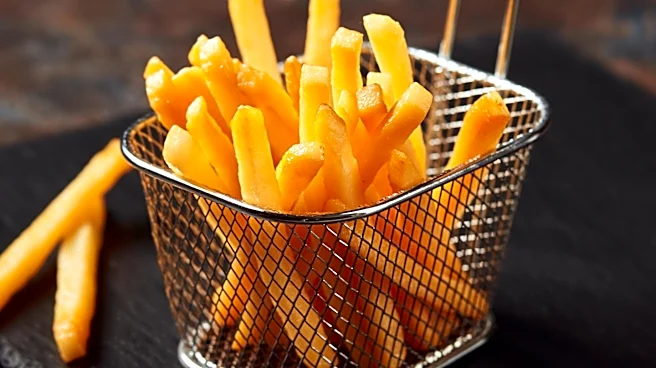
Chef Kieron Hales, Managing Partner and Head Chef at Zingerman's Cornman Farms, advises that using a perforated pan is crucial for achieving perfectly cooked frozen french fries when baking. While deep-frying is often perceived as superior, Hales explains
that baking can yield similar tender-crisp results if the correct technique is applied. The fundamental step involves preheating the pan along with the oven to 425 degrees Fahrenheit before placing the frozen fries on it. This 'shocks the surface starches' and initiates crisping immediately, preventing sogginess. Perforated pans are particularly effective because their holes allow air to circulate around each fry, ensuring even heating and a consistent crisp texture. If a perforated pan is unavailable, Hales suggests tossing fries with a touch of oil and fine salt before baking to promote even coloring. Refined peanut oil is recommended for flavor, though safflower or canola oil can also be used. For extra crispiness, a sprinkle of potato or cornstarch can be added.
Why It's Important?
This advice is important for home cooks and food service establishments aiming to improve the quality of baked frozen french fries, a widely consumed food item in the U.S. By adopting these techniques, consumers can achieve a more satisfying product without resorting to deep-frying, which can be less healthy and more labor-intensive. For businesses, especially those without deep-frying capabilities or those looking to offer healthier options, these methods provide a cost-effective way to enhance customer satisfaction. The emphasis on proper pan usage and preheating highlights that simple adjustments in cooking methodology can significantly impact food quality, potentially reducing food waste from poorly cooked fries and improving the overall dining experience. This guidance also underscores the value of expert culinary knowledge in optimizing everyday cooking practices.
What's Next?
Consumers and food service providers are likely to experiment with these recommendations to improve their baked french fry preparation. The adoption of perforated pans for baking frozen fries may see an increase, potentially influencing kitchenware sales. Culinary blogs and cooking shows might feature these tips, further disseminating the information. Manufacturers of frozen french fries could also incorporate these instructions into their packaging to help consumers achieve better results, thereby enhancing their product's reputation. The focus on healthier baking alternatives could also encourage more people to prepare fries at home rather than opting for deep-fried versions from restaurants, potentially impacting the fast-food industry's sales of french fries.
Beyond the Headlines
The discussion around optimizing baked frozen french fries touches upon broader trends in food preparation, including the increasing demand for healthier cooking methods and the pursuit of restaurant-quality results at home. It reflects a cultural shift towards more conscious eating habits while still enjoying comfort foods. The emphasis on specific equipment like perforated pans also highlights the role of specialized tools in achieving culinary excellence, even for seemingly simple dishes. This attention to detail in food preparation can elevate the home cooking experience and empower individuals to take greater control over the quality and health aspects of their meals. It also subtly challenges the perception that certain foods, like french fries, can only be truly enjoyed when prepared through less healthy methods.