




What's Happening?
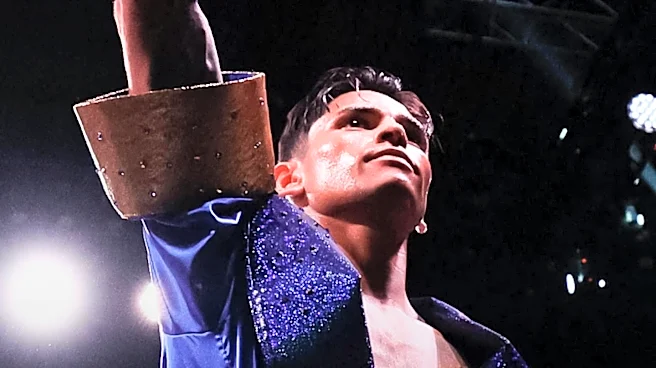
WBC welterweight champion Ryan Garcia is at a crossroads, contemplating his next opponent for a targeted February 6 return to the ring. He has two distinct options: a legacy-defining unification bout against Teofimo Lopez Jr., the new WBA champion, or a potentially
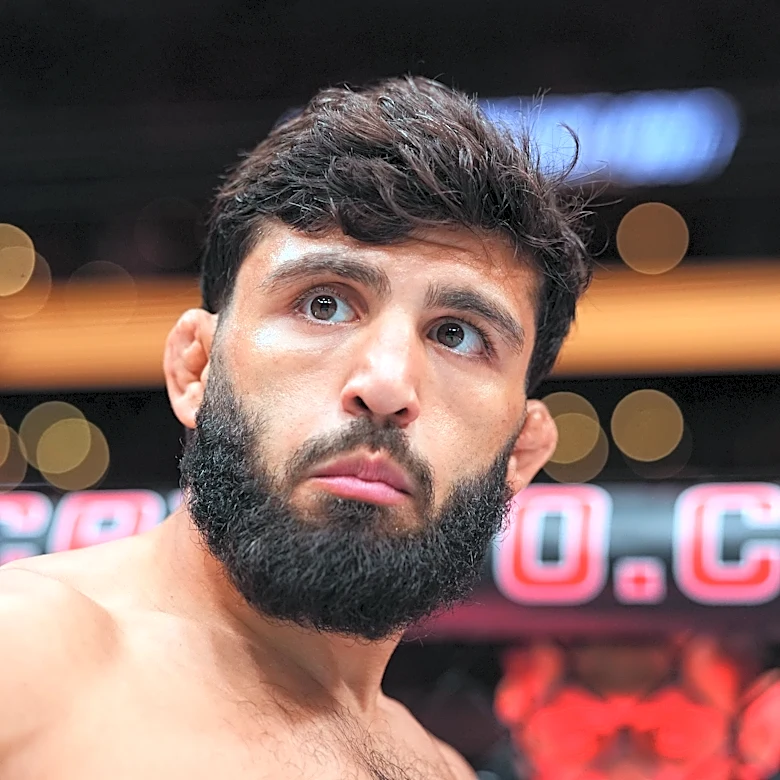
massive payday exhibition against the retired boxing legend Floyd Mayweather Jr. Garcia, who holds a 26-2 record with 21 KOs, is coming off a dominant 2026, having won the WBC title from Mario Barrios and defeated Conor Benn. A fight with Lopez (23-2, 13 KOs) would unify the WBC and WBA titles, establishing the winner as the top fighter in the 147-pound class and significantly boosting Garcia's boxing credibility. Advanced talks are reportedly targeting New York or Las Vegas for the Garcia-Lopez fight, with industry insiders suggesting it is the current frontrunner despite a WBA order for Lopez to face mandatory challenger Jack Catterall. Conversely, a bout with the 49-year-old Mayweather (50-0, 27 KOs), who has not fought professionally in nine years, would offer an unprecedented financial windfall, with estimates suggesting Mayweather's payout could reach $50-100 million and Garcia earning a career-high sum. Garcia's attorney confirmed discussions are for a professional bout, requiring Mayweather to put his undefeated record on the line.
Why It's Important?
Ryan Garcia's decision carries significant implications for his career trajectory and the boxing landscape. Choosing Teofimo Lopez would prioritize sporting legacy, unifying titles and solidifying his position as a top-tier welterweight. This path would appeal to traditional boxing fans and critics who value competitive integrity and championship credentials. It would also continue his development against an active, dangerous opponent. On the other hand, a fight with Floyd Mayweather, while offering immense financial gain, would be viewed differently. While it would generate massive public interest and pay-per-view revenue, it might not contribute to Garcia's active championship legacy, given Mayweather's age and long retirement from professional competition. This dilemma highlights a recurring tension in modern boxing between pursuing athletic greatness and maximizing commercial opportunities. The outcome of Garcia's choice could influence other fighters to prioritize either legacy or financial gain, potentially shaping future matchups and the overall direction of the sport. The decision also reflects the evolving nature of boxing, where crossover appeal and celebrity status increasingly drive major events.
What's Next?
The immediate next step for Ryan Garcia is to finalize his opponent for the February 6 target date. While the Teofimo Lopez fight appears to be the frontrunner, ongoing negotiations and the WBA's mandate for Lopez to face Jack Catterall could still complicate matters. If the Lopez fight proceeds, it would likely involve a significant promotional push, potentially in New York or Las Vegas, to maximize its impact as a title unification bout. Should Garcia opt for the Mayweather fight, extensive negotiations would be required to secure Mayweather's participation in a professional, rather than exhibition, contest, and to manage the massive financial and logistical aspects. Both scenarios would involve considerable media attention and public debate. The boxing world will be closely watching Garcia's announcement, as it will signal his immediate priorities and potentially set the stage for one of the most anticipated fights of the year, regardless of the opponent chosen. His decision will also reveal whether he values the immediate financial reward or the long-term prestige of unifying titles.
Beyond the Headlines
Ryan Garcia's choice between legacy and lucre reflects a broader cultural shift in sports, where athletes increasingly leverage their personal brands and social media presence to dictate their careers. This situation highlights the power dynamics between fighters, promoters, and sanctioning bodies. The potential Mayweather fight, in particular, underscores the enduring appeal of celebrity boxing and the willingness of audiences to pay for spectacle, even if the competitive balance is skewed. This trend could further erode the traditional structure of boxing, where championship belts and rankings are paramount, in favor of high-profile, entertainment-driven events. It also raises questions about the role of retired legends in the sport and whether their returns, even for massive paydays, ultimately benefit or detract from the integrity of professional boxing. Garcia's decision will not only impact his own career but could also serve as a bellwether for how future generations of fighters navigate the complex interplay of athletic ambition, financial opportunity, and public perception in the digital age.