






What's Happening?
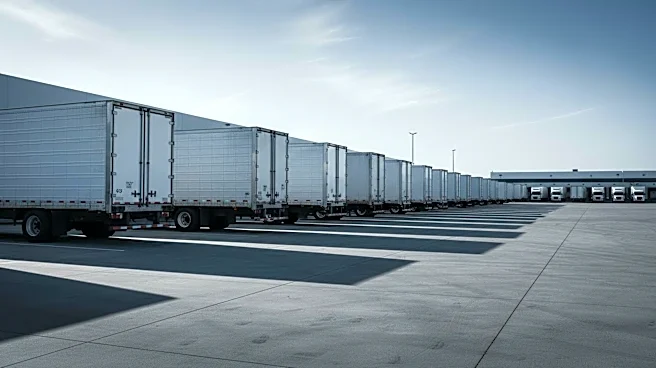
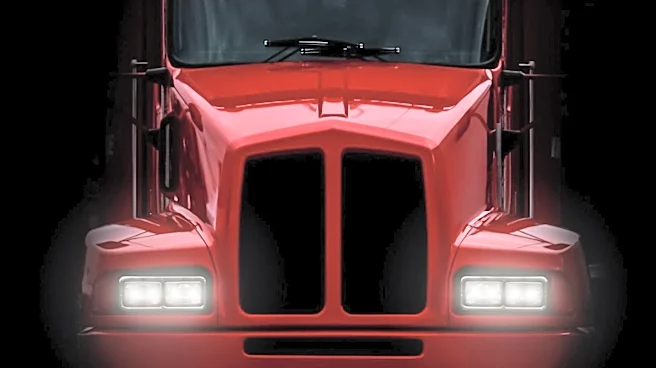
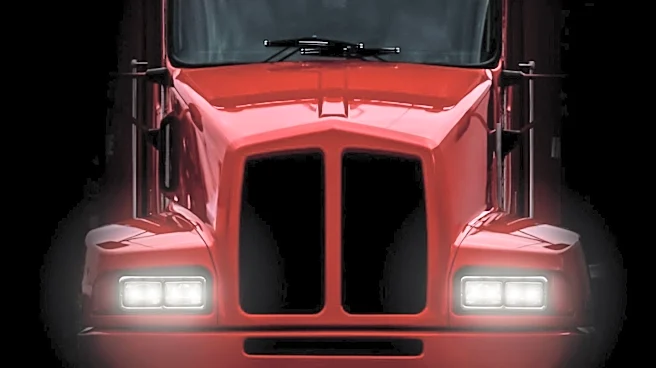
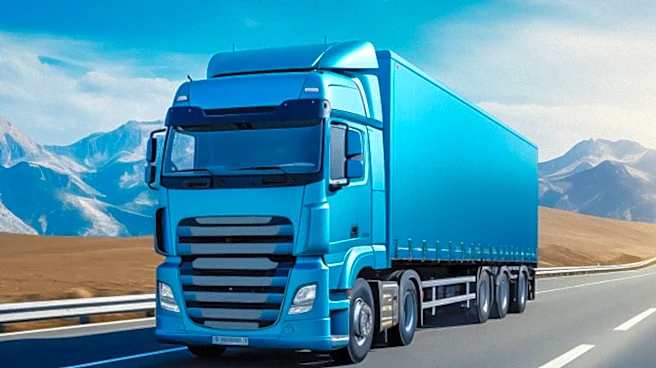
In June 2026, Class 8 truck orders experienced a significant increase, with estimates from ACT Research and FTR Transportation Intelligence showing a 230% rise compared to the same period last year. This surge is attributed to a recovery in the trucking
industry, marked by improved market conditions and rising freight rates. The industry has been recovering from a prolonged period of low rates and tariff chaos. The Environmental Protection Agency's (EPA) upcoming NOx regulation changes are also influencing the market, although the proposed rulemaking is not yet public. The high demand for Class 8 trucks is expected to continue, potentially spilling over into 2027 due to production backlogs.
Why It's Important?
The increase in Class 8 truck orders signifies a robust recovery in the trucking industry, which is crucial for the U.S. economy as it supports supply chains and logistics. The rise in freight rates indicates improved profitability for carriers, encouraging further investment in new trucks. However, the potential cost increases due to EPA's NOx regulations could impact the industry. The ongoing demand highlights the need for manufacturers to ramp up production to meet the backlog, which could influence employment and economic activity in related sectors.
What's Next?
As the demand for Class 8 trucks continues, manufacturers may face challenges in meeting production needs, potentially leading to extended delivery times into 2027. The trucking industry is closely watching the EPA's final NOx regulation changes, which could affect operational costs and fleet management strategies. Stakeholders are also considering the impact of tariffs and trade agreements on future demand and production capabilities.