



What's Happening?
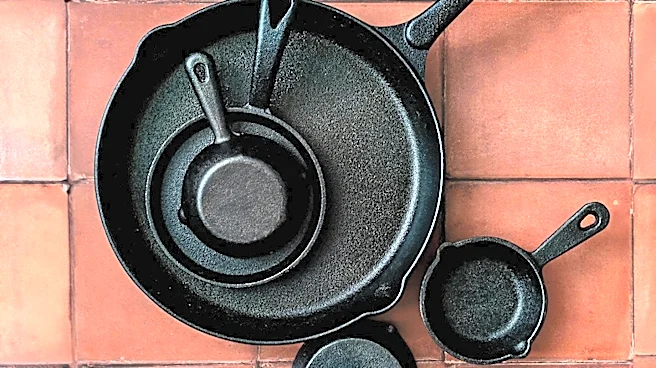
Eric Rowse, a lead chef instructor at the Institute of Culinary Education, has identified certain foods that can damage cast-iron cookware if not handled properly. While cast iron is known for its durability and ability to deliver excellent cooking results,
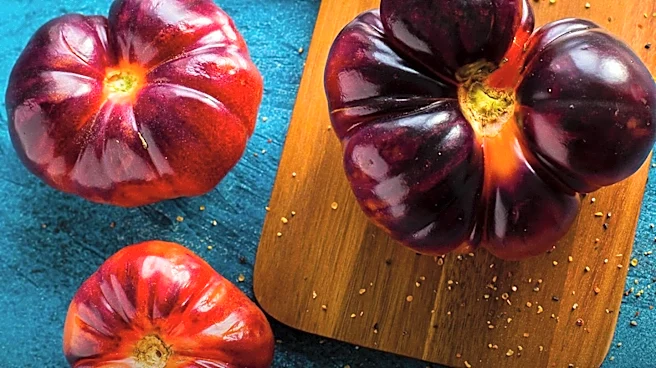
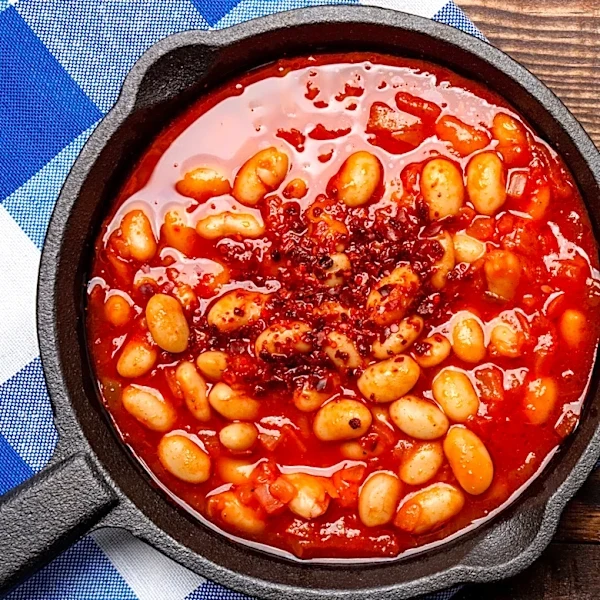
it is not indestructible. Foods high in acidity, such as tomatoes, vinegar, citrus, and wine-based sauces, can erode the seasoning of cast-iron pans, leading to a metallic taste and potential damage to the cookware. Rowse explains that while eggs and fish can be cooked in cast iron, they require careful management to avoid sticking. Proper seasoning and immediate cleaning after cooking are essential to maintaining the integrity of cast-iron cookware.
Why It's Important?
Understanding the limitations of cast-iron cookware is crucial for home cooks and culinary professionals alike. Cast iron is a popular choice due to its heat retention and ability to enhance flavors, but improper use can lead to costly damage. By identifying foods that can harm the seasoning, cooks can take preventive measures to extend the life of their cookware. This knowledge is particularly valuable for those who rely on cast iron for its affordability and cooking performance. The insights provided by Rowse can help prevent unnecessary wear and tear, ensuring that cast-iron pans remain a staple in kitchens for years to come.
What's Next?
Cooks are encouraged to adopt best practices for using and maintaining cast-iron cookware. This includes avoiding prolonged cooking of acidic foods in cast iron, ensuring proper seasoning, and cleaning the pans immediately after use. As awareness of these practices spreads, it is likely that more people will be able to enjoy the benefits of cast iron without experiencing the drawbacks of improper use. Additionally, manufacturers may continue to innovate in the design and materials of cast-iron cookware to enhance its durability and user-friendliness.