
What's Happening?
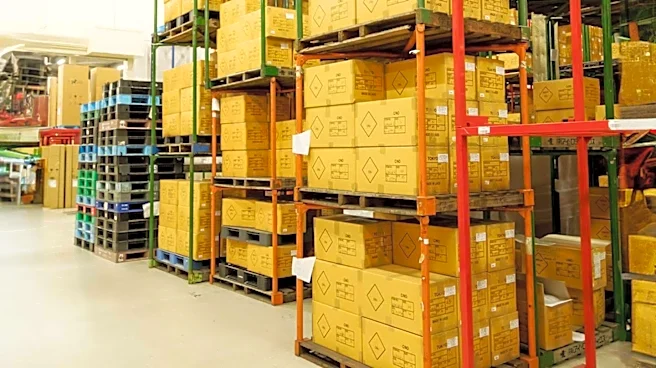
Bonded warehousing allows non-EU goods to be stored under customs supervision without immediate release into free circulation within the European Union. This system, often utilizing customs warehouses
in countries like the Netherlands, defers the payment of import duties and import VAT. Companies can store goods while deciding whether to sell them within the EU or re-export them. If goods are re-exported according to proper procedures, import duties may be waived. This approach provides significant liquidity benefits by delaying tax payments until the goods are released for free circulation. Specific administrative obligations apply during storage under this regime, and companies like Neele-Vat assist in coordinating international storage and customs formalities.
Why It's Important?
This warehousing strategy is crucial for businesses engaged in international trade, particularly those with complex inventory flows or operations across multiple markets. By deferring import duties and VAT, companies can significantly improve their cash flow and financial liquidity. This is especially beneficial for businesses that might hold inventory for extended periods or those that are uncertain about the final destination of their goods. The ability to store goods without immediate tax implications allows for greater flexibility in supply chain management and market response. It reduces the upfront capital required for importing goods, making international trade more accessible and financially manageable for a wider range of businesses.
What's Next?
Companies utilizing or considering bonded warehousing will need to continue navigating the specific customs regulations and administrative requirements of each country where they operate. The process involves assessing available bonded warehouse facilities, ensuring all necessary documents are in order, and adhering to permitted handling procedures. As global trade dynamics evolve, businesses will likely seek further optimization of these services to maximize cash flow benefits and streamline their international logistics. Logistics providers will continue to offer specialized support to help companies assess the best warehousing and customs solutions tailored to their specific goods and distribution needs, ensuring effective coordination of storage and further distribution.
Beyond the Headlines
The concept of bonded warehousing highlights the intricate balance between national customs regulations and international trade facilitation. It underscores how specific logistical and financial mechanisms can significantly impact a company's operational efficiency and competitiveness in a globalized economy. Beyond the immediate financial benefits, this system also reflects a broader trend towards more flexible and adaptive supply chain models, where businesses can respond to market demands without being immediately burdened by import taxes. The ethical implications involve ensuring compliance with all customs laws to prevent illicit trade, while the legal framework continuously adapts to support legitimate international commerce while safeguarding national economic interests.