






What's Happening?
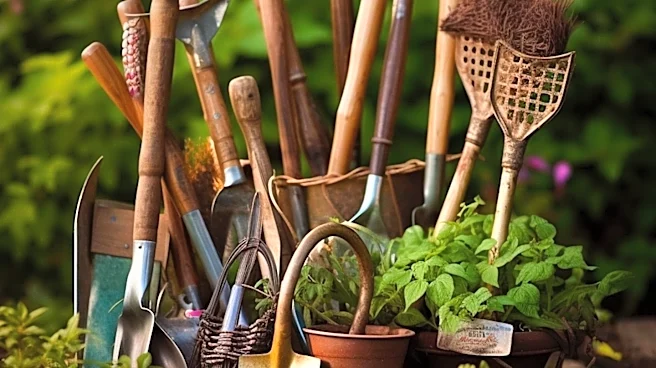
To maximize a garden's potential, gardeners should focus on selecting appropriate tools and employing effective techniques. When choosing gardening tools, durability and ergonomic design are key considerations. Materials like stainless steel and aluminum
are recommended for their longevity, while ergonomic handles help reduce strain during prolonged use. Matching the tool to the specific task, such as using a trowel for planting or a cultivator for soil preparation, is also crucial. Beyond tools, mastering gardening techniques is equally important. This includes ensuring proper planting depth, consistent watering, and mulching to maintain soil moisture and suppress weeds. Timely pruning is essential for encouraging healthy growth and preventing disease. Additionally, companion planting, which involves grouping compatible plants, can naturally deter pests, improve soil health, and increase crop yields. DIY projects like constructing raised beds and compost bins are also highlighted as ways to significantly enhance garden productivity. Raised beds are particularly useful for small spaces and container gardening, while compost bins provide nutrient-rich compost, reducing the need for chemical fertilizers.
Why It's Important?
The emphasis on proper gardening tools and techniques is important for several reasons, impacting both individual gardeners and broader environmental practices. For individuals, investing in quality, ergonomically designed tools can prevent physical strain and make gardening more accessible and enjoyable, potentially increasing participation in home gardening. This can lead to greater food self-sufficiency and access to fresh produce. The promotion of effective techniques like mulching and companion planting has significant environmental benefits. Mulching conserves water, reducing the demand on local water supplies, while companion planting offers a natural, chemical-free approach to pest control and soil enrichment. This reduces reliance on synthetic pesticides and fertilizers, which can harm ecosystems and human health. DIY projects such as compost bins contribute to waste reduction by diverting kitchen and yard waste from landfills, turning it into a valuable soil amendment. Overall, these practices foster sustainable gardening, promoting healthier ecosystems and more productive gardens for U.S. households.
What's Next?
The continued focus on sustainable gardening practices suggests a trend towards greater adoption of eco-friendly methods among U.S. gardeners. Educational initiatives and resources promoting proper tool selection and techniques like companion planting and composting are likely to expand. This could lead to an increased market for durable, ergonomically designed gardening tools and a greater demand for organic soil amendments. As more gardeners embrace these methods, there may be a reduction in household water consumption for gardening and a decrease in the use of chemical pesticides and fertilizers in residential areas. This shift could also encourage local communities to support and develop more community gardens and composting programs, further integrating sustainable practices into urban and suburban landscapes. The emphasis on DIY projects like raised beds also points to a growing interest in maximizing small spaces for food production, potentially influencing urban planning and home design trends.
Beyond the Headlines
The movement towards thoughtful tool selection and effective gardening techniques reflects a broader cultural shift towards sustainability and self-sufficiency in the U.S. It highlights a growing awareness of the environmental impact of gardening practices and a desire for more natural, less resource-intensive approaches. This trend extends beyond mere hobbyism, touching upon themes of food security, local food movements, and personal well-being. The act of gardening, when approached with these principles, becomes a form of environmental stewardship, connecting individuals more deeply with their local ecosystems. Furthermore, the emphasis on ergonomic tools speaks to an aging population and a desire for activities that are accessible and comfortable for all ages and physical abilities. This holistic approach to gardening underscores a deeper appreciation for the land and the food it provides, fostering a more resilient and environmentally conscious society.