



What's Happening?
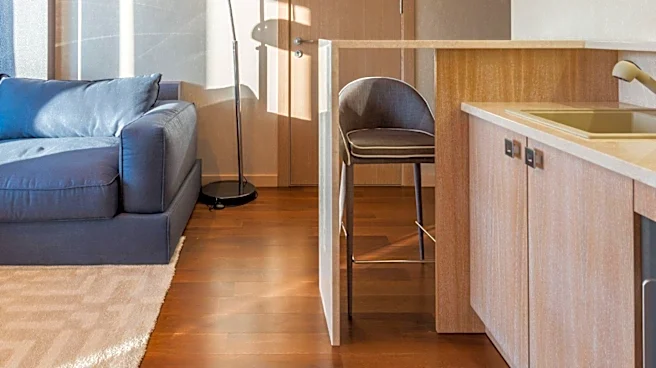
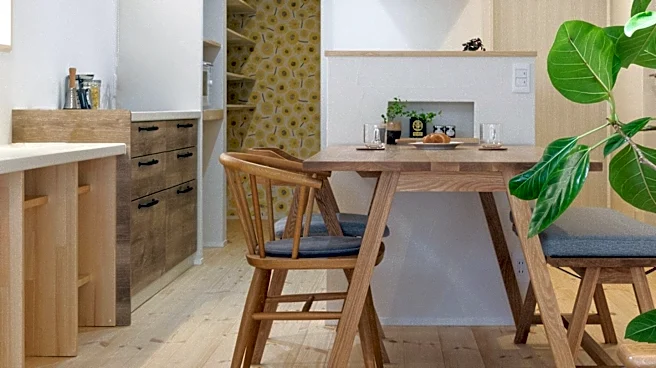
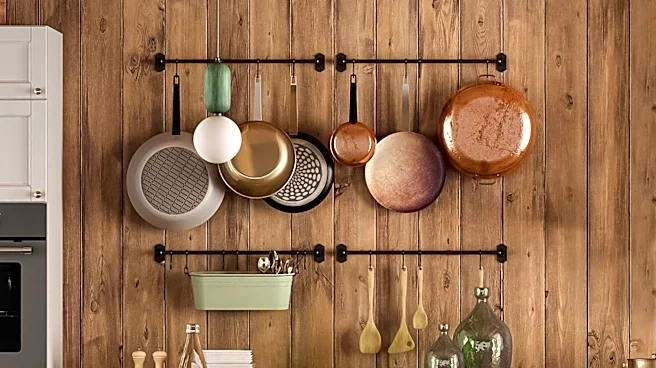
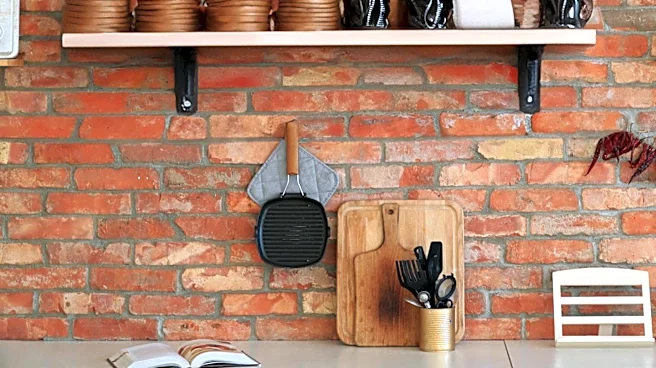
Rustic kitchens are characterized by their celebration of natural materials and visible texture, according to a guide on kitchen architecture styles. Key features include wood grain, stone, exposed beams, handmade finishes, and earthy colors, all contributing
to their distinctive character. Unlike contemporary kitchens that often feature polished surfaces, rustic designs embrace the natural imperfections of materials. Specific elements commonly found in rustic kitchens include exposed or reclaimed wood, natural stone, rough or textured surfaces, exposed structural details, and handmade-looking finishes. These kitchens are particularly well-suited for cottages, country homes, cabins, and properties situated within natural landscapes.
Why It's Important?
The enduring popularity of rustic kitchen designs in the U.S. reflects a significant consumer preference for natural aesthetics, durability, and a connection to traditional craftsmanship. This trend impacts the home construction and renovation industries, driving demand for specific materials like reclaimed wood, natural stone, and artisanal finishes. For manufacturers and suppliers, it creates a market for products that emphasize authenticity and visible texture over sleek, modern uniformity. Homeowners are increasingly seeking kitchens that offer a sense of warmth, history, and integration with their natural surroundings, especially in rural or semi-rural areas. This design philosophy also influences the real estate market, as homes with well-executed rustic kitchens can command higher appeal and value, particularly among buyers who prioritize character and a 'lived-in' feel.
What's Next?
As the demand for rustic kitchens continues, we can expect to see further innovation in sustainable and reclaimed materials that fit this aesthetic. Designers may explore new ways to incorporate exposed structural elements and natural textures while maintaining modern functionality. The integration of smart home technology into rustic designs, often subtly concealed, could also become more prevalent, blending traditional aesthetics with contemporary convenience. Furthermore, the influence of rustic design may extend to other areas of the home, creating a cohesive natural theme throughout properties. Educational resources for homeowners and designers on sourcing authentic materials and executing rustic designs effectively will likely also grow in demand.
Beyond the Headlines
The appeal of rustic kitchens goes beyond mere aesthetics; it taps into a deeper cultural yearning for simplicity, connection to nature, and a sense of grounding. In an increasingly digital and urbanized world, the raw, imperfect beauty of natural materials offers a comforting contrast. The emphasis on 'handmade-looking finishes' and 'exposed structural details' evokes a sense of craftsmanship and history, suggesting a rejection of mass-produced uniformity. This design choice can also be seen as an expression of environmental consciousness, favoring natural and often locally sourced materials. Ultimately, a rustic kitchen can serve as a sanctuary, a place where the act of cooking and gathering feels more authentic and connected to fundamental human experiences, reflecting a broader societal shift towards valuing well-being and mindful living.