








What's Happening?
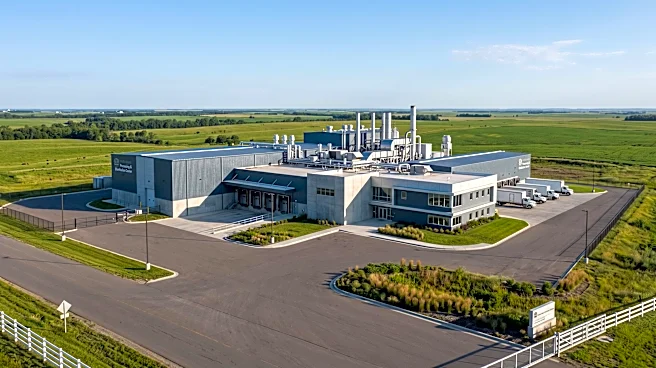
The U.S. Department of Agriculture (USDA) has awarded funding to several small and mid-sized meat and poultry processing facilities through its Meat and Poultry Processing Expansion Program. Undersecretary for Rural Development Glen Smith detailed the
four phases of this program. Phase one supported the expansion of new capacity and modernization of existing processing operations. Phase two included a higher federal cost-share percentage and expanded eligibility for slaughter facilities. Phase three shifted focus to increasing processing capacity for invasive catfish, aiming to create markets for fishermen. Phase four specifically targeted independently owned small and intermediate cattle processors, including larger facilities.
Why It's Important?
This USDA program is crucial for strengthening the U.S. meat and poultry supply chain, particularly by supporting smaller and independent processors. By expanding capacity and modernizing operations, these facilities can enhance competition, reduce bottlenecks, and provide more options for livestock producers. This initiative helps address issues of market concentration and improves resilience against disruptions, which became evident during recent national crises. The funding also aims to create economic opportunities in rural areas by supporting local businesses and job creation. Furthermore, the focus on invasive catfish processing demonstrates an innovative approach to environmental management while simultaneously boosting economic activity for fishermen.
What's Next?
The program has already allocated funding across its four phases, with the latest phase targeting independently owned small and intermediate cattle processors. The ongoing implementation of these phases will continue to support the growth and modernization of the U.S. meat and poultry processing sector. The USDA will likely monitor the impact of these investments on capacity, market access, and economic development in rural communities. Future iterations or expansions of such programs could further address evolving needs within the agricultural processing industry, including technological adoption and sustainability practices. The success of these funded projects will inform future policy decisions regarding federal support for agricultural infrastructure.
Beyond the Headlines
Beyond immediate economic benefits, this program reflects a strategic effort to diversify and decentralize the U.S. food processing infrastructure. Over-reliance on a few large processors has exposed vulnerabilities in the food supply chain. By empowering smaller, regional facilities, the USDA is fostering a more robust and adaptable system. This also aligns with consumer preferences for locally sourced and transparently produced food. The program's inclusion of invasive species processing highlights a broader governmental strategy to tackle ecological challenges through economic incentives, turning a problem into a commercial opportunity and demonstrating a multi-faceted approach to rural development and resource management.