





What's Happening?
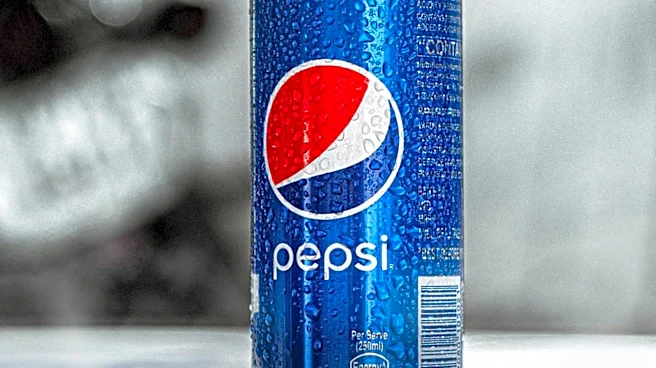
For investors seeking a monthly dividend income of $1,000, PepsiCo (PEP:NASDAQ) presents a more capital-efficient option compared to Coca-Cola (KO:NYSE). To achieve this income, an investor would need approximately 2,028 shares of PepsiCo, costing around
$285,000, based on its current 4.2% yield. In contrast, Coca-Cola's 2.2% yield would require 5,661 shares, amounting to about $549,100. This represents a significant capital difference of approximately $264,000 for the same dividend payout. While Coca-Cola's free cash flow has shown improvement, covering 79% of its dividend over the trailing 12 months, PepsiCo's dividend coverage stands at 75%. However, PepsiCo's ability to sustain its dividend relies on its ongoing cost-cutting initiatives to boost free cash flow, especially after dividends consumed nearly all of its free cash flow in fiscal years 2024 and 2025.
Why It's Important?
This comparison highlights a critical consideration for U.S. investors focused on dividend income, particularly retirees. The substantial difference in capital required to generate the same monthly income from two major beverage and snack companies can significantly impact investment strategies and retirement planning. PepsiCo's higher yield, while attractive, comes with the caveat of needing its turnaround efforts to successfully increase free cash flow. If PepsiCo's cost-cutting measures are effective, it could offer a more accessible entry point for income investors. Conversely, Coca-Cola, despite its lower yield, has demonstrated a rebound in free cash flow, suggesting a potentially more stable, albeit more expensive, dividend stream. The performance of these two industry giants can also serve as an indicator for the broader consumer staples sector, influencing investor sentiment and capital allocation decisions within the U.S. market.
What's Next?
Investors will closely monitor PepsiCo's upcoming financial reports for evidence of growing free cash flow, which is crucial for sustaining its dividend payout. The success of its cost-cutting initiatives will be a key factor in determining if PepsiCo can maintain its attractive dividend yield and continue to be a preferred choice for income-focused investors. For Coca-Cola, the focus will be on maintaining its free cash flow rebound and ensuring consistent dividend coverage. The competitive landscape between these two companies in the U.S. and international markets will also influence their financial health and, consequently, their dividend policies. Any shifts in consumer preferences or operational efficiencies could alter the investment appeal of either stock for dividend seekers.
Beyond the Headlines
The differing dividend strategies and financial health of PepsiCo and Coca-Cola reflect broader trends in corporate finance and investor expectations. PepsiCo's emphasis on a higher yield, even with recent free cash flow challenges, suggests a commitment to returning capital to shareholders, potentially to attract and retain a specific segment of the investor base. Coca-Cola's more conservative yield, coupled with a strong balance sheet and rebounding cash flow, might appeal to investors prioritizing long-term stability and dividend safety. This dynamic illustrates how large, established companies navigate shareholder demands for income versus reinvestment for growth. The ongoing competition between these two consumer staples giants also extends beyond market share to attracting investment capital, influencing how companies in mature industries structure their financial offerings to remain competitive in the U.S. stock market.