





What's Happening?
National Geographic Traveller (UK) has featured an article detailing luxury expedition travel to Greenland aboard Quark Expeditions' Ultramarine. The article highlights the unique blend of cutting-edge comforts and immersive wilderness experiences offered
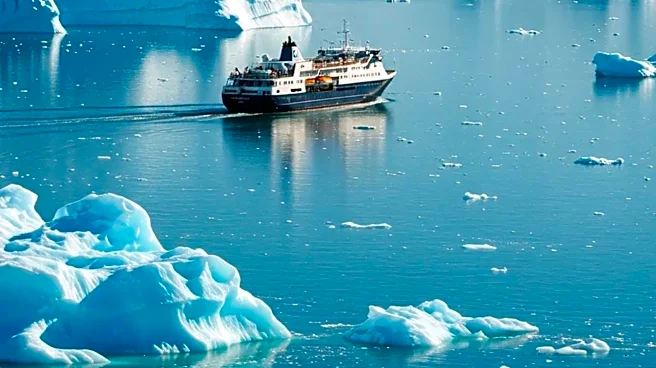
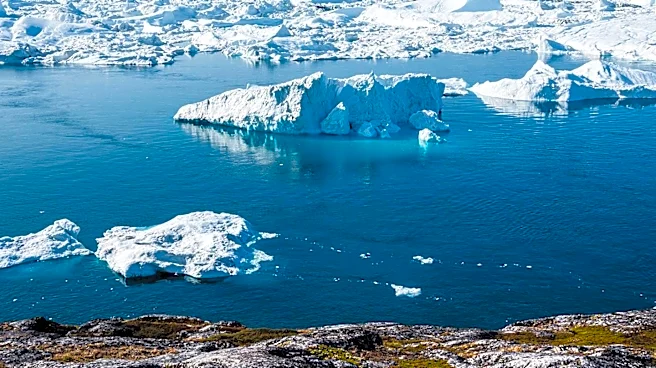
by such voyages. The Ultramarine, accommodating 199 passengers, utilizes twin-engined helicopters, Zodiac boats, and sea kayaks to provide access to remote areas of southern Greenland, including glaciers and fjordlands. Activities range from heli-hiking to the 'Polar Plunge' in icy waters. The narrative emphasizes the opportunity for travelers to engage directly with Greenland's rugged landscape and its sparse population, including visits to local villages and encounters with Inuit hunters. The article, published in the Luxury Collection 2026, positions these expeditions as a way to experience the Arctic's unforgiving beauty while enjoying high-end amenities.
Why It's Important?
This feature by National Geographic Traveller (UK) is important for the U.S. luxury travel market as it showcases a growing trend in experiential and adventure tourism, particularly to remote and environmentally sensitive regions. For U.S. travelers, it highlights unique opportunities for exploration that combine luxury with genuine engagement with nature and local cultures. This type of travel appeals to a discerning segment seeking more than just relaxation, but rather transformative experiences. For the U.S. travel industry, it underscores the demand for specialized expedition cruises and the need for operators to offer sophisticated logistics and expert guiding in challenging environments. It also brings attention to destinations like Greenland, which are gaining popularity among affluent adventurers, potentially influencing future travel product development and marketing strategies.
What's Next?
The increasing visibility of luxury expedition travel to destinations like Greenland suggests a continued growth in demand for adventure-oriented, high-end tourism among U.S. travelers. This could lead to more cruise lines and tour operators developing similar itineraries that blend luxury amenities with immersive, off-the-beaten-path experiences. There may also be a greater focus on sustainability and responsible tourism practices in these sensitive environments, as travelers become more conscious of their environmental impact. The success of Quark Expeditions' model, which combines comfort with active exploration, could inspire other companies to invest in specialized vessels and equipment, such as helicopters and Zodiacs, to enhance access to remote locations. Furthermore, the emphasis on cultural encounters with local populations, like the Inuit, indicates a trend towards more authentic and educational travel experiences.
Beyond the Headlines
The rise of luxury expedition travel to places like Greenland raises important ethical and environmental considerations. While offering unparalleled access to pristine natural environments, it also brings increased human presence to fragile ecosystems. This necessitates a careful balance between tourism development and conservation efforts. The narrative of 'experiencing the world at its most unforgiving' while enjoying 'cutting-edge comforts' highlights a tension between the desire for adventure and the expectation of luxury, prompting questions about the true nature of 'wilderness' in the age of high-tech tourism. Culturally, encounters with indigenous communities, such as the Inuit, present opportunities for mutual learning but also carry the responsibility of ensuring respectful and equitable interactions that benefit local populations without compromising their traditions or way of life. This trend challenges the travel industry to develop models that are not only luxurious but also deeply sustainable and culturally sensitive.