




What's Happening?
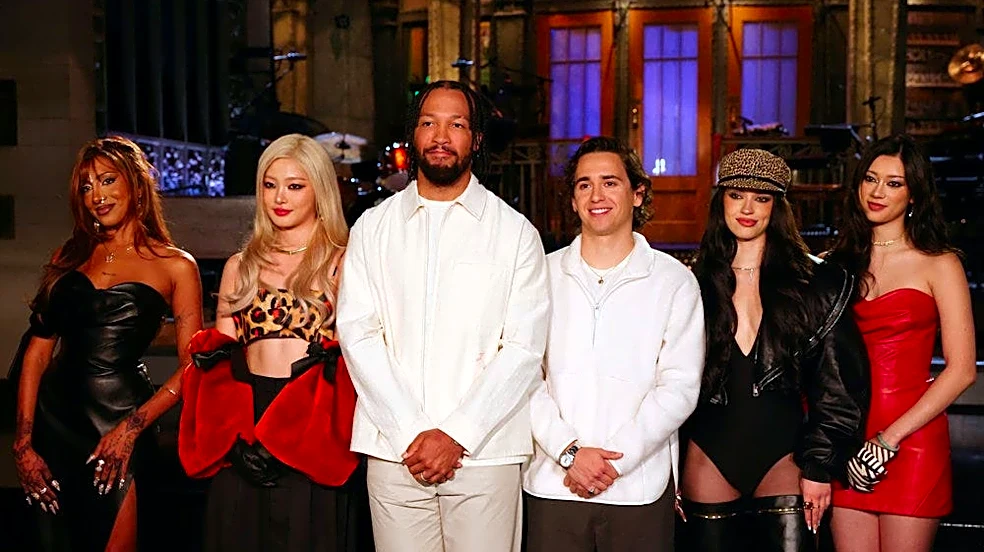
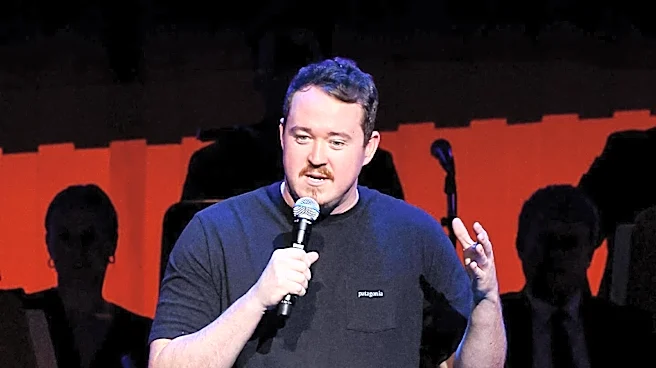
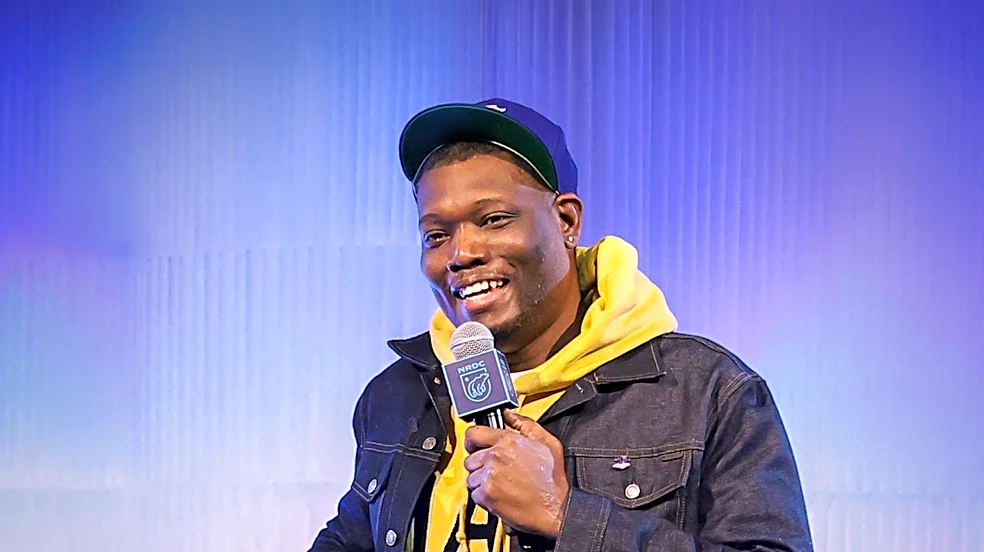
Michael Che, co-host of 'Weekend Update' on Saturday Night Live (SNL), gave an interview on the Today show where he addressed the backlash surrounding a controversial joke made by host Shane Gillis during his October 10 SNL monologue. Gillis's joke, which
included a sexist remark about women's attire, sparked significant public criticism. Che initially tried to deflect questions, stating he didn't pay close attention to other comedians' material and was focused on his own 'Weekend Update' segment. When pressed by Today host Laura Jarrett, Che characterized the situation as 'That's comedy. It's like, you think it's funny and then some people don't.' He later clarified his stance on social media, stating he did not laugh at the joke and rarely finds comedy funny, while also making a sarcastic remark about hating only a few women and supporting women's freedom to dress as they please.
Why It's Important?
This incident highlights the ongoing tension between comedic freedom and social responsibility, particularly in a high-profile national broadcast like SNL. The backlash against Shane Gillis's joke underscores the increasing scrutiny public figures face regarding offensive content, reflecting evolving societal standards and the power of social media to amplify criticism. Michael Che's response, attempting to navigate the controversy while maintaining a comedic persona, illustrates the delicate balance comedians must strike. The event can influence how SNL and other comedy shows approach controversial topics, potentially leading to more cautious content creation or, conversely, reinforcing a commitment to pushing boundaries. It also brings into focus the role of 'Weekend Update' hosts, who are often seen as commentators on current events, in addressing or avoiding such controversies within their own show's ecosystem.
What's Next?
The immediate aftermath of such controversies often involves continued public discussion and media analysis of the joke and the responses from those involved. SNL and its producers may face internal discussions regarding content guidelines and the vetting process for guest hosts' material. While Michael Che has publicly clarified his stance, the incident could influence future interactions between SNL cast members and guest hosts, particularly concerning potentially offensive humor. The broader comedy landscape may also see increased debate about the limits of free speech in comedy versus the potential for harm or offense. Audiences and critics will likely continue to monitor SNL's content for similar issues, potentially impacting viewership or public perception of the show's comedic direction.
Beyond the Headlines
The controversy surrounding Shane Gillis's joke and Michael Che's response delves into deeper cultural conversations about misogyny, censorship, and the role of comedy in society. It raises questions about who determines what is acceptable humor and whether comedians have a responsibility to avoid certain topics or language. The incident also reflects the generational and ideological divides in how humor is perceived, with some defending the joke as part of edgy comedy and others condemning it as harmful. This ongoing dialogue impacts not only the entertainment industry but also broader societal norms regarding public discourse and acceptable forms of expression. The pressure on public figures to address or distance themselves from controversial statements highlights the pervasive influence of social media and the rapid dissemination of public opinion in shaping cultural narratives.