





What's Happening?
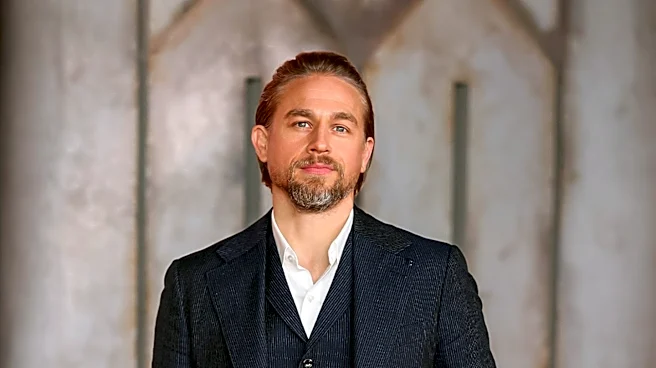
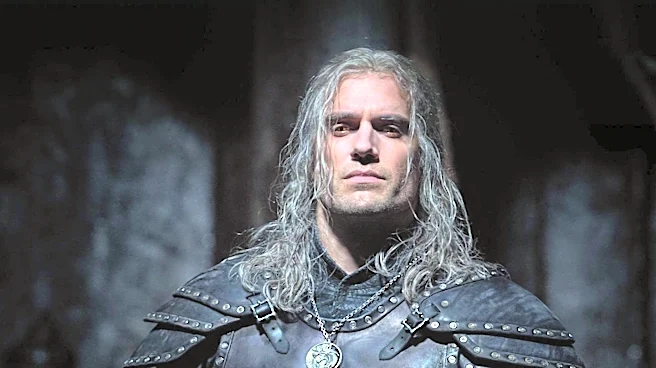
Henry Cavill, known for his role as Geralt in Netflix's 'The Witcher,' has publicly defended fan criticism, stating that it stems from passion rather than toxicity. During an interview with Jake Hamilton for the promotion of 'The Witcher,' Cavill addressed
the concept of 'toxic fandom.' He argued that fans have a right to express their opinions, even negative ones, especially when it concerns characters they have known for years through books or video games. Cavill emphasized that disappointment from fans when an actor's portrayal doesn't align with their mental image of a character should be understood as passion, not automatically labeled as toxic behavior. This perspective comes after his departure from both the DC universe and Netflix's 'The Witcher,' where he was replaced by Liam Hemsworth.
Why It's Important?
Cavill's stance on fan criticism is significant as it challenges the prevalent narrative of 'toxic fandom' in the entertainment industry. By reframing criticism as passion, he encourages a more nuanced understanding of fan engagement, which can foster healthier relationships between creators and their audiences. This approach could lead to a more open dialogue, where constructive feedback is valued, and creators are encouraged to consider the deep emotional connections fans have with established characters and franchises. For the industry, this perspective might influence how studios and production companies engage with fan communities, potentially leading to more transparent communication and a greater appreciation for the audience's investment in intellectual properties. It also highlights the unique challenges actors face when portraying beloved characters with pre-existing fan bases.
What's Next?
While Cavill has departed from 'The Witcher,' his comments may influence future interactions between actors, creators, and fan communities across the entertainment landscape. Other actors and showrunners might adopt a similar approach, leading to a shift in how fan feedback is perceived and managed. This could result in more direct and respectful engagement with fan bases, potentially through Q&A sessions, social media interactions, or fan conventions, where concerns and suggestions are openly discussed. The ongoing discourse around fan engagement will likely continue to evolve, with Cavill's perspective serving as a notable contribution to the conversation about the nature of fandom in the digital age. Future projects involving established characters may see creators more proactively addressing fan expectations.
Beyond the Headlines
Cavill's comments delve into the deeper psychological and cultural aspects of fandom. The emotional investment fans have in fictional worlds and characters can be profound, often extending over decades through various media. When adaptations deviate from established lore or character interpretations, it can feel like a personal affront to fans who have built a strong connection with these narratives. Cavill's view acknowledges this deep connection, suggesting that what might appear as 'toxicity' is often a manifestation of intense loyalty and care for the source material. This perspective encourages a re-evaluation of the power dynamics between creators and consumers, highlighting the ethical responsibility of adapting beloved stories while respecting the audience's emotional stake. It also touches upon the evolving nature of intellectual property in an era where fan communities actively participate in shaping narratives and discussions.