




What's Happening?
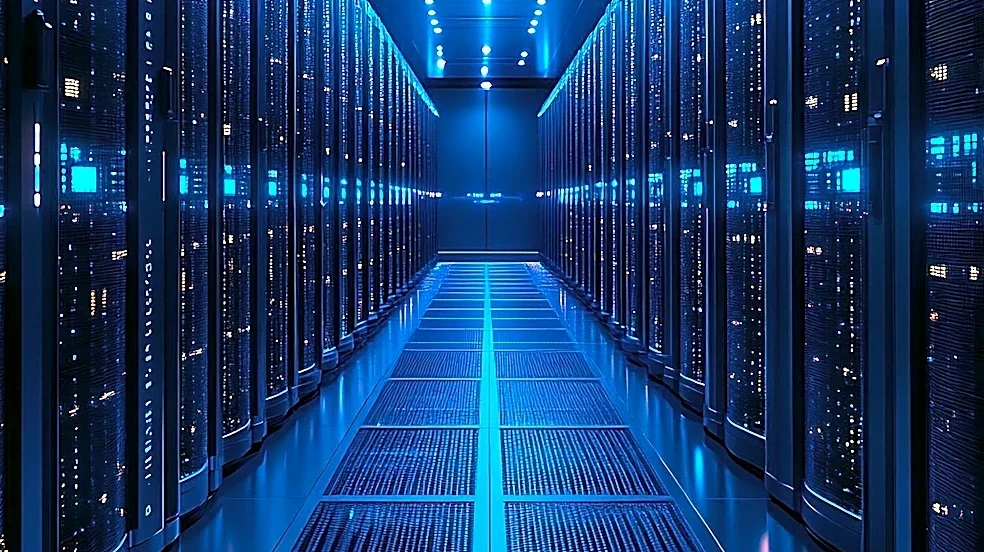
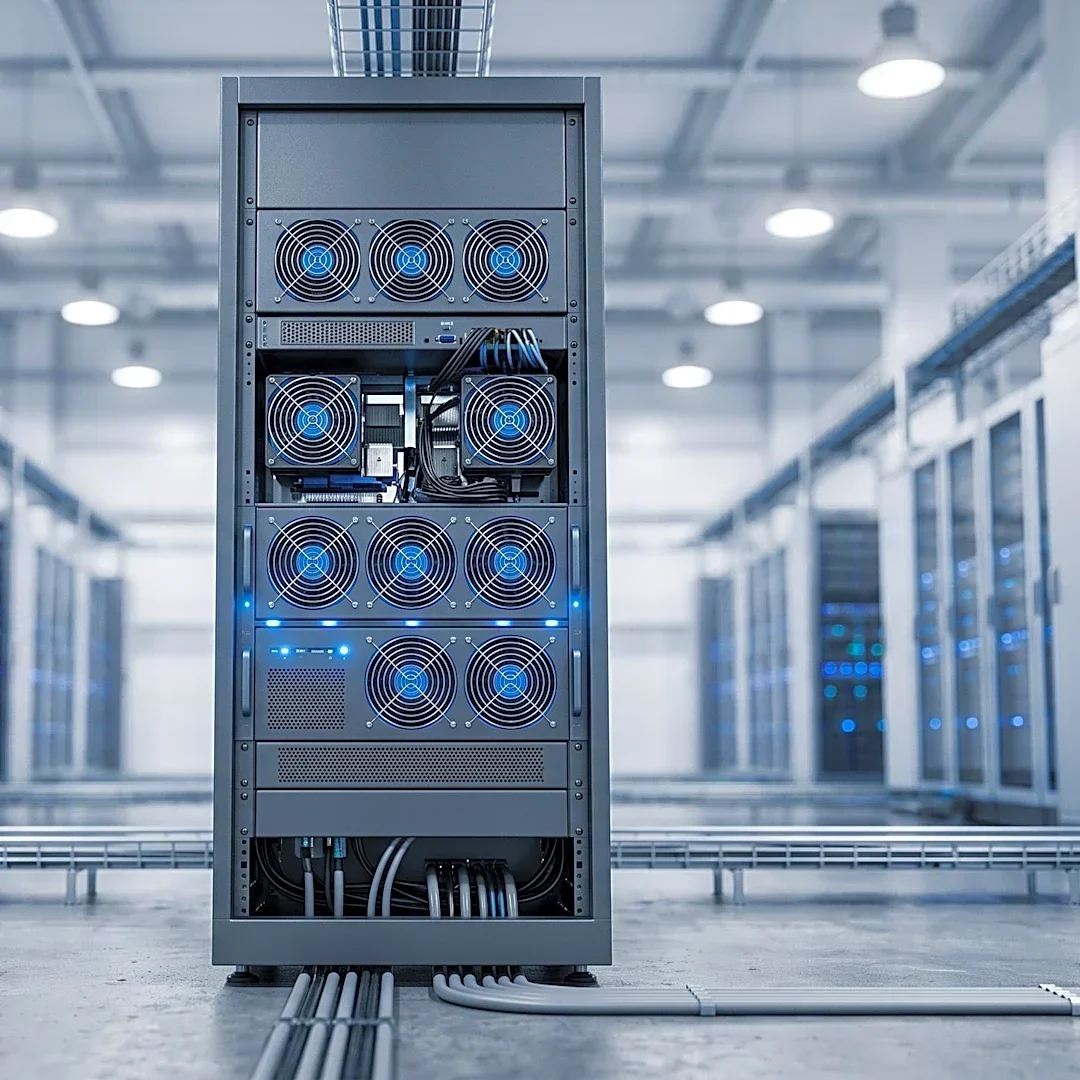
CoreWeave is deploying AI agents to enhance anomaly detection and resolution within its data centers. This initiative aims to proactively identify and address potential issues in the physical infrastructure, such as power draw, temperature, and fan speed,
before they disrupt operations. The company utilizes a dual-agent approach: one set of agents works offline to build and refine deterministic anomaly detection tools, while another set operates live to reason about flagged anomalies and recommend actions. The offline agents are responsible for creating stable, predictable detection pipelines, ensuring consistent results. The live agents, acting as tools, analyze complex, open-ended problems that require judgment, such as explaining the cause of an anomaly and guiding resolution. This system is designed to reduce the millions of daily signals to a manageable number of actionable alerts, improving efficiency and preventing service interruptions.
Why It's Important?
This implementation is significant for the U.S. technology sector as it demonstrates an advanced application of AI in maintaining critical infrastructure. By leveraging AI agents for anomaly detection, CoreWeave can minimize downtime and improve the reliability of its data centers, which are essential for supporting various AI and cloud computing operations. This approach offers a blueprint for other data center operators and industries reliant on complex physical systems, such as manufacturing or energy, to enhance operational efficiency and predictive maintenance. The ability to detect issues minutes, hours, or even days in advance provides a crucial window for intervention, preventing costly outages and ensuring continuous service delivery. This innovation could lead to more resilient and efficient digital infrastructure across the nation, impacting businesses and consumers who depend on these services.
What's Next?
CoreWeave plans to continue refining its AI agent system, with the expectation that the reasoning agents will identify recurring patterns that can be codified into the deterministic detection tools. This iterative process will lead to a more efficient and cost-effective anomaly detection system over time. The company anticipates that this approach, which starts with flexible and expensive solutions and moves towards codified, predictable, and cheaper methods, will become a model for scaling AI deployments. The insights gained from applying this 'physical AI loop' to their own data centers are expected to be extended to customer engineering teams, where CoreWeave's Physical AI Field Engineers will help apply similar solutions to other physical systems, such as battery packs, robotic arms, and race cars. This suggests a broader application of this technology across various industrial sectors.
Beyond the Headlines
The CoreWeave initiative highlights a deeper shift in how AI is integrated into operational management. It underscores the evolving relationship between human expertise and artificial intelligence, where AI agents are not replacing human judgment but augmenting it. Engineers remain central to defining requirements, evaluating results, and making final decisions, while AI handles the repetitive and complex data analysis. This collaborative model addresses ethical and practical concerns about AI autonomy, ensuring that critical decisions affecting physical infrastructure remain under human oversight. Furthermore, the emphasis on creating deterministic and inspectable AI tools, even from non-deterministic processes, sets a precedent for building trustworthy AI systems in sensitive environments. This approach could influence future regulatory frameworks and industry best practices for AI deployment in critical national infrastructure.