
What's Happening?
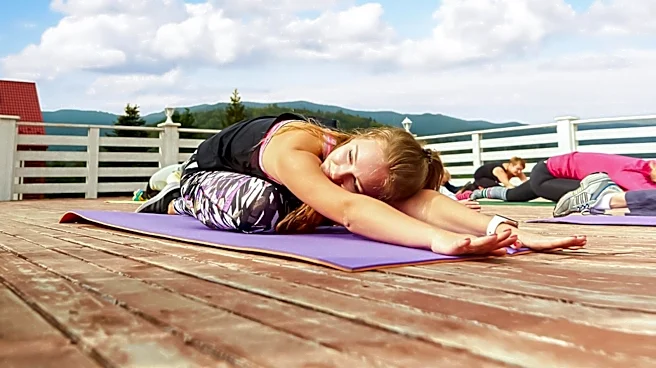
Adventure travel companies are increasingly incorporating yoga into their itineraries, recognizing its complementary benefits for participants engaging in physically demanding outdoor activities. This
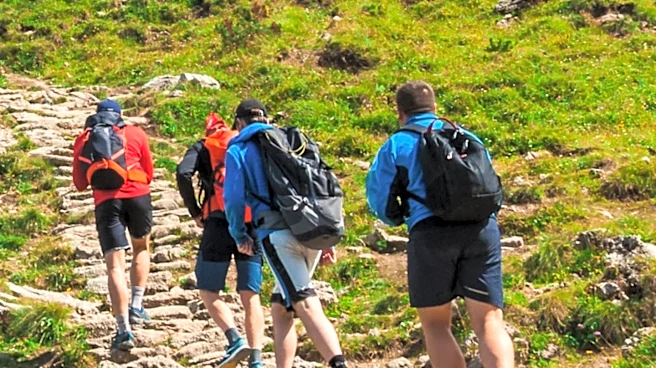
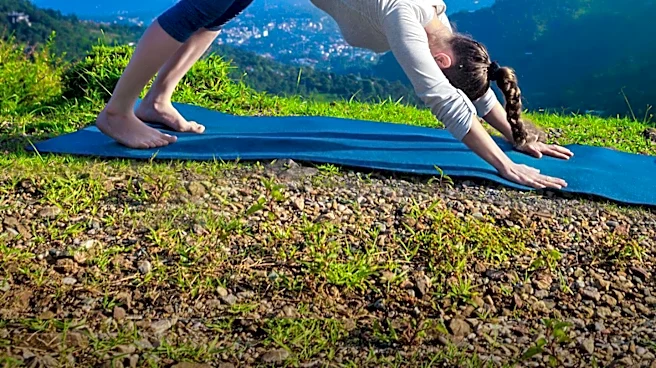
trend, dubbed 'the blend' by Kilty Inafuku, an adventure travel specialist with The Travel Yogi, combines mildly challenging outdoor activities such as hiking, rafting, surfing, and paragliding with yoga sessions. The integration aims to address the physical and mental strain travelers might experience during active trips, offering grounding and mindfulness. Traditional yoga retreats are also evolving, adding more adventurous options to their programs. This shift is driven by a growing awareness of how both pursuits—adventure travel and yoga—focus on deeper immersion in the world, fostering both internal and external experiences. Companies like ROW Adventures are planning to weave yoga into their whitewater trips, and others like Adventures in Good Company and Goddess Retreats are already offering itineraries that combine yoga with activities such as stand-up paddleboarding, snorkeling, and cycling.
Why It's Important?
This integration is important for the U.S. travel industry as it reflects an evolving consumer demand for holistic travel experiences that prioritize well-being alongside adventure. By offering yoga, adventure travel companies can attract a broader demographic, including those seeking physical challenges but also mindful recovery and mental rejuvenation. This approach can differentiate U.S. tour operators in a competitive market, potentially leading to increased bookings and customer loyalty. Furthermore, it highlights a growing trend in wellness tourism, where travelers are looking for more than just sightseeing; they seek transformative experiences that contribute to their overall health. The ability to cater to both adrenaline-seekers and those desiring a more balanced, restorative journey positions companies to capture a larger share of the expanding adventure and wellness travel markets. This could also influence how travel insurance and health-related services are packaged for adventure travelers, emphasizing preventative care and recovery.
What's Next?
The trend of blending yoga with adventure travel is expected to continue expanding, with more tour operators likely to adopt similar models. Companies like ROW Adventures are actively working with yoga instructors to modify custom group itineraries, indicating a proactive move to meet this demand. Travelers can anticipate a wider array of integrated trips, offering diverse activities and wellness components. This could lead to specialized certifications for guides who can lead both adventure activities and yoga, enhancing the quality and safety of these combined experiences. Additionally, the success of these blended trips may encourage the development of new travel packages that focus on specific wellness outcomes, such as stress reduction or enhanced physical performance, further solidifying the niche of holistic adventure travel. The industry may also see increased partnerships between adventure outfitters and wellness professionals to co-create unique offerings.
Beyond the Headlines
Beyond the immediate commercial implications, this trend signifies a deeper cultural shift towards prioritizing mental and physical well-being in leisure activities. It challenges the traditional view of adventure travel as solely about pushing physical limits, instead promoting a more balanced approach that includes self-care and mindfulness. This could lead to a redefinition of 'adventure' itself, where internal exploration is as valued as external conquest. The emphasis on grounding and connecting with oneself and nature through yoga during adventure trips may also foster a greater appreciation for environmental conservation, as travelers develop a more profound connection to the natural world. This holistic perspective could influence broader societal attitudes towards travel, encouraging more sustainable and personally enriching journeys rather than purely escapist ones, potentially impacting destination choices and travel behaviors in the long term.