





What's Happening?
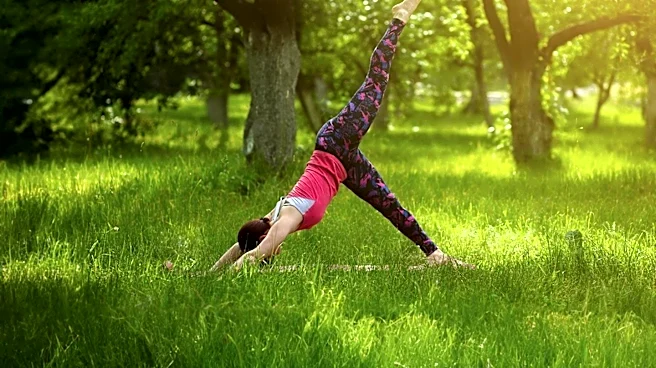
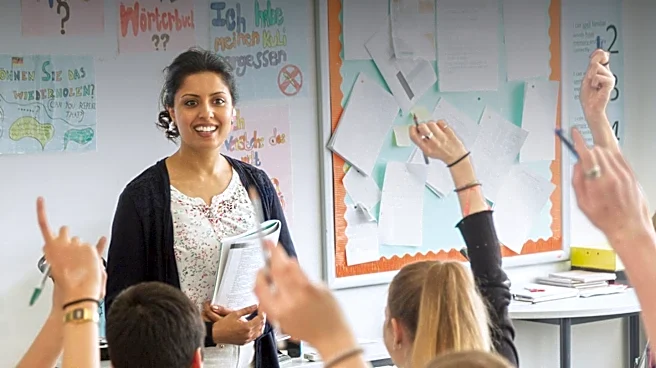
Teachers Zoe Mahony and Erika Shepard are sharing their personal strategies for managing stress and maintaining mental health amidst the demands of their profession. Mahony, a Life Skills and AP US History teacher, emphasizes the importance of exercise
as an immediate stress reliever, along with spending time with friends for venting and laughter. She also finds calm in hobbies like hiking, learning guitar, and reading before bed instead of using her phone. Marine Biology teacher Erika Shepard focuses on putting things into perspective by asking if issues will matter in the long term. For personal stress, Shepard watches familiar shows for comfort, and at school, she talks to colleagues about non-work-related topics. Both teachers highlight the importance of prioritizing mental health, with Mahony advising students to reach out for help if feeling overwhelmed, as mental health is paramount. Shepard also notes the mood-boosting power of a tasty snack.
Why It's Important?
The insights from these educators are crucial as they highlight practical, accessible methods for stress management that can benefit not only teachers but also students and the broader community. In a high-stress environment like education, where professionals often balance demanding careers with personal lives, sharing effective coping mechanisms can foster a healthier work-life balance. Their emphasis on exercise, social connection, mindfulness (like reading before bed), and perspective-taking offers tangible tools for individuals to proactively manage their mental well-being. This is particularly important in promoting a culture where mental health is openly discussed and prioritized, potentially reducing burnout and improving overall quality of life for those in demanding roles. The advice also underscores the idea that simple, everyday activities can significantly contribute to mental resilience.
What's Next?
The continued sharing of such personal strategies by educators could encourage more open dialogue about mental health within school communities. This might lead to increased awareness and adoption of similar coping mechanisms among students and staff. Schools could potentially integrate these types of practical stress-reduction techniques into wellness programs or professional development sessions for teachers. Furthermore, by openly discussing their methods, these teachers contribute to destigmatizing mental health challenges, paving the way for more individuals to seek and offer support. The focus on self-care and proactive mental health management could also influence policy discussions around teacher well-being and support systems within educational institutions, potentially leading to more resources being allocated to mental health initiatives.
Beyond the Headlines
The experiences shared by Mahony and Shepard reflect a broader societal shift towards recognizing and addressing mental health as a critical component of overall well-being. Their candidness challenges the traditional stoicism often expected in professional roles, particularly in education, where teachers are often seen as caregivers for others. By demonstrating that even those in supportive roles need to actively manage their own mental health, they normalize the human experience of stress and the need for self-care. This can have long-term cultural implications, encouraging a more empathetic and supportive environment where vulnerability is accepted, and seeking help is seen as a strength rather than a weakness. It also subtly advocates for systemic changes that acknowledge the emotional labor involved in teaching and provide adequate support structures.