




What's Happening?
TUI Blue hotels in Bali and Cambodia are launching new wellness programs designed to integrate holistic well-being into the guest experience. TUI Blue Berawa in Bali offers rituals centered on themes of Stay, Play, Connect, and Reset, including a weekly
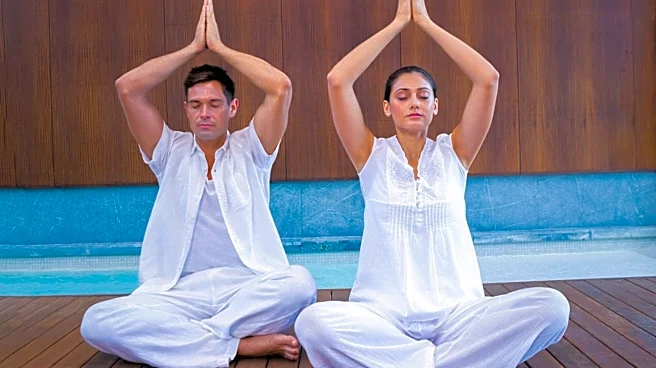
Sundown Ritual where guests symbolically release worries. This location also features a Social Wellness Zone with a sauna, ice plunge, and padel facilities, alongside various yoga sessions. TUI Blue Angkor Grace in Siem Reap, Cambodia, combines wellness facilities with local Cambodian traditions, offering experiences such as yoga, sound healing, and traditional wellness practices. Both hotels aim to weave wellness naturally into the guest journey, focusing on four pillars: Feel, Move, Nourish, and Rest. The programs include wellness activities, healthy dining options, calming spaces, and expert-led sessions, catering to both wellness enthusiasts and those seeking refreshment.
Why It's Important?
This initiative by TUI Blue reflects a growing trend in the hospitality industry to cater to the increasing demand for wellness-focused travel. By integrating comprehensive wellness programs, hotels can attract a broader demographic of travelers who prioritize health and well-being during their vacations. This approach can enhance customer loyalty and differentiate TUI Blue in a competitive market. The focus on local traditions in Cambodia also promotes cultural immersion, adding value to the guest experience and potentially supporting local economies through the incorporation of traditional practices. For the U.S. travel market, this trend indicates a shift in consumer preferences towards more mindful and health-conscious travel options, which could influence how U.S. travel agencies and tour operators package and market international destinations. The emphasis on mental and emotional well-being, alongside physical health, aligns with broader societal trends in the U.S. towards holistic health.
What's Next?
TUI Blue plans to expand its wellness-focused experiences and destinations globally, with further wellness highlights anticipated in various locations. This suggests a continued investment in and evolution of their wellness offerings. Other hotel chains and travel companies may observe the success of these integrated wellness programs and potentially adopt similar strategies to meet consumer demand. The expansion could lead to more diverse wellness travel options becoming available to U.S. consumers, potentially influencing travel trends and destination choices. As the concept of wellness travel gains more traction, there may be increased collaboration between hospitality providers and wellness experts to develop innovative and authentic experiences. The focus on local traditions could also encourage more sustainable and community-oriented tourism practices in the future.
Beyond the Headlines
The integration of wellness into mainstream travel, as demonstrated by TUI Blue, signifies a deeper cultural shift where health and well-being are no longer seen as separate from leisure but as integral components of a fulfilling lifestyle. This trend extends beyond physical fitness to encompass mental, emotional, and spiritual well-being, reflecting a holistic view of health. The symbolic rituals, like the Sundown Ritual in Bali, highlight a growing desire for meaningful experiences and opportunities for introspection and personal growth during travel. This approach could lead to a re-evaluation of what constitutes a 'holiday,' moving away from purely recreational activities towards experiences that offer rejuvenation and self-improvement. For the U.S., this could influence corporate wellness programs, as companies might increasingly offer wellness-focused travel incentives or retreats. It also underscores the ethical dimension of travel, encouraging practices that respect local cultures and environments while promoting personal well-being.