








What's Happening?
Solo travel, defined as traveling without a companion, is gaining popularity, offering individuals complete freedom and the opportunity to build confidence. This travel style does not necessarily mean being alone constantly, as many solo travelers engage
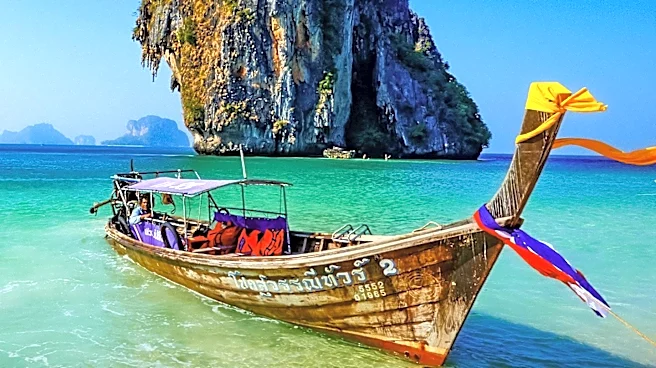
in group activities, tours, or stay in social accommodations like hostels. There are various approaches to solo travel, including fully independent trips, independent travel with planned social activities, mixed trips combining solo exploration with group segments, and joining a group trip as a solo booker. While solo travel provides autonomy in decision-making regarding schedules, sights, and meals, it often incurs higher per-person costs due to single occupancy for rooms and transportation. Potential downsides also include occasional loneliness and the sole responsibility for all planning and safety considerations. However, these challenges can be mitigated by choosing appropriate accommodations, participating in shared activities, and thorough preparation. Popular destinations for solo travelers in 2027 include Portugal, Ireland, Italy, Greece, Scotland, Thailand, and Japan.
Why It's Important?
The rise of solo travel signifies a shift in consumer preferences within the U.S. tourism industry, highlighting a growing demand for personalized and flexible travel experiences. This trend impacts various sectors, from accommodation providers who may need to adapt pricing and room configurations for single travelers, to tour operators developing more solo-friendly group packages. The emphasis on personal freedom and confidence-building through travel also reflects broader societal values, where individuals seek self-discovery and unique experiences. For economic stakeholders, understanding this demographic is crucial for targeted marketing and product development. The increased cost associated with solo travel also presents opportunities for businesses to innovate with solutions like single-occupancy discounts or shared-room options to make solo travel more accessible. Furthermore, the focus on safety and planning for solo travelers underscores the importance of robust travel insurance and reliable information resources, benefiting related service providers.
What's Next?
As solo travel continues to grow, the travel industry is likely to see further innovations tailored to this market segment. This could include more specialized tour packages designed for solo travelers, increased availability of single rooms in hotels without prohibitive surcharges, and the development of apps or platforms that facilitate safe and social connections among solo adventurers. Destinations may also enhance their infrastructure and offerings to better accommodate individual explorers, focusing on safety, ease of navigation, and diverse activity options. Travel insurance providers might introduce more comprehensive policies specifically addressing the unique needs and potential risks faced by solo travelers. Additionally, there may be a greater emphasis on educational resources and workshops to equip first-time solo travelers with essential planning and safety skills, fostering continued growth in this travel niche.
Beyond the Headlines
The increasing popularity of solo travel reflects deeper cultural and psychological shifts within society. It highlights a growing desire for independence, self-reliance, and personal growth, moving beyond traditional models of travel that often emphasize companionship. This trend can be seen as a manifestation of individualism, where individuals prioritize their own experiences and well-being. Ethically, the industry faces the challenge of ensuring equitable pricing for solo travelers, as current models often penalize those traveling alone. Legally, there may be increased scrutiny on safety standards and consumer protection for solo travelers, particularly in less familiar destinations. Culturally, solo travel challenges traditional notions of travel as a shared experience, promoting a narrative of self-discovery and empowerment. This shift could lead to long-term changes in how travel is perceived and marketed, emphasizing personal journeys and transformative experiences over group dynamics.