



What's Happening?
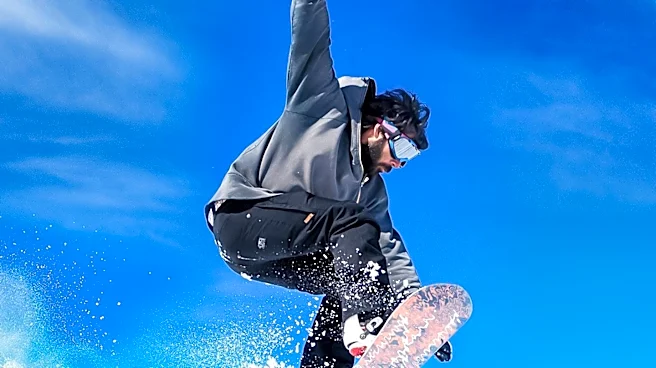
As winter approaches, skiers, including traditional cross-country, long-distance athletes, and biathletes, are being urged to focus on core strength and overall conditioning to enhance performance and prevent injuries. Experts emphasize that a strong
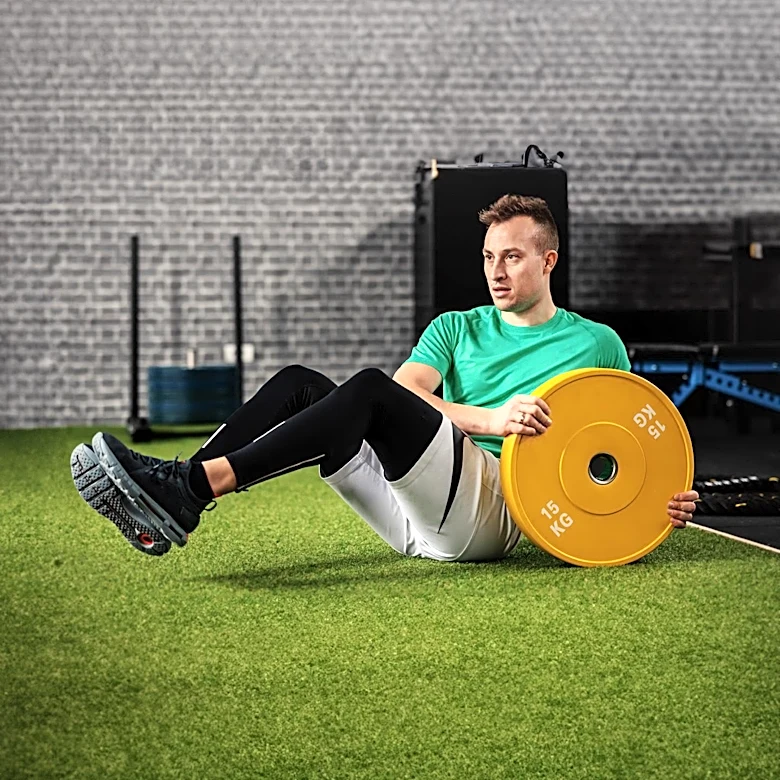
core is crucial for maintaining proper skiing technique and form, especially as fatigue sets in. Key exercises recommended for core strengthening include planks, Russian twists, leg lifts, and bicycle crunches. These exercises target various abdominal muscles, back, and hips, all vital for stability and rotational movements in skiing. Additionally, pre-ski conditioning programs should incorporate leg strength, single-leg control, balance, and aerobic fitness to prepare the body for the demands of the slopes and reduce the risk of late-day injuries. For individuals with previous skiing-related injuries, sports physiotherapy and structured post-surgical rehabilitation are highlighted as essential components for a safe return to the sport.
Why It's Important?
The emphasis on pre-season conditioning and core strength is critical for the safety and performance of skiers. Skiing and snowboarding place significant, often unpredictable, loads on the body, making participants susceptible to injuries, particularly in the knees (MCL sprains, ACL ruptures) and thumbs (skier's thumb). By building foundational strength and endurance, skiers can better withstand these demands, reducing the likelihood of injuries that can lead to prolonged recovery times and medical expenses. For competitive athletes, enhanced core strength translates directly into improved technique, power, and endurance, offering a competitive edge. Beyond injury prevention, proper conditioning allows skiers to enjoy their time on the slopes more fully, as their bodies are better equipped to handle the physical exertion, leading to a more enjoyable and sustained skiing experience throughout the season.
What's Next?
Skiers are encouraged to begin a conditioning block several weeks before their ski trips, focusing on a well-rounded plan that includes core strength, endurance, power, and technique. This preparation should involve incorporating recommended core exercises into their routine, alongside cardio sessions and strength training for overall power. For those new to training or returning from injury, consulting a qualified coach, physiotherapist, or trainer is advised to receive personalized guidance and ensure a safe and effective exercise program. Ski resorts and training centers may also offer specialized clinics and programs focusing on technique and conditioning, providing further opportunities for skiers to prepare for the season. Continued dedication to these fitness principles throughout the season will help maintain performance and reduce injury risk.
Beyond the Headlines
The focus on pre-season ski fitness highlights a broader trend in sports and recreational activities towards proactive injury prevention and performance optimization. This approach underscores the understanding that physical preparation is not just about building muscle but also about developing functional strength, balance, and endurance that directly translate to the specific demands of a sport. It also reflects a growing awareness of the long-term benefits of maintaining physical health and mobility, particularly as individuals age. For the ski industry, promoting such fitness regimens can lead to a more engaged and healthier customer base, potentially extending the participation lifespan of skiers. Furthermore, the integration of sports physiotherapy and rehabilitation emphasizes the importance of a holistic approach to athletic well-being, ensuring that individuals can recover effectively from injuries and continue to pursue their passions safely.