





What's Happening?
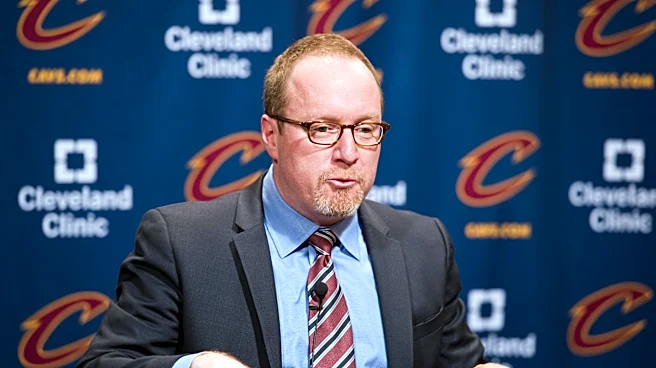
During National Healthy Skin Month in November, a Cleveland Clinic dermatologist, Jennifer Lucas, MD, shared her top recommendations for maintaining healthier skin. Dr. Lucas emphasized the importance of prevention, particularly consistent sunscreen application,
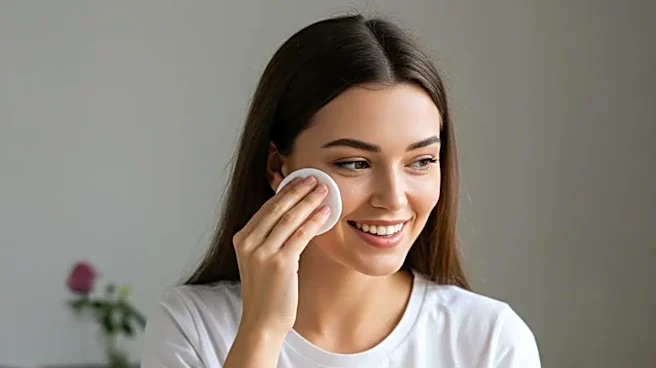
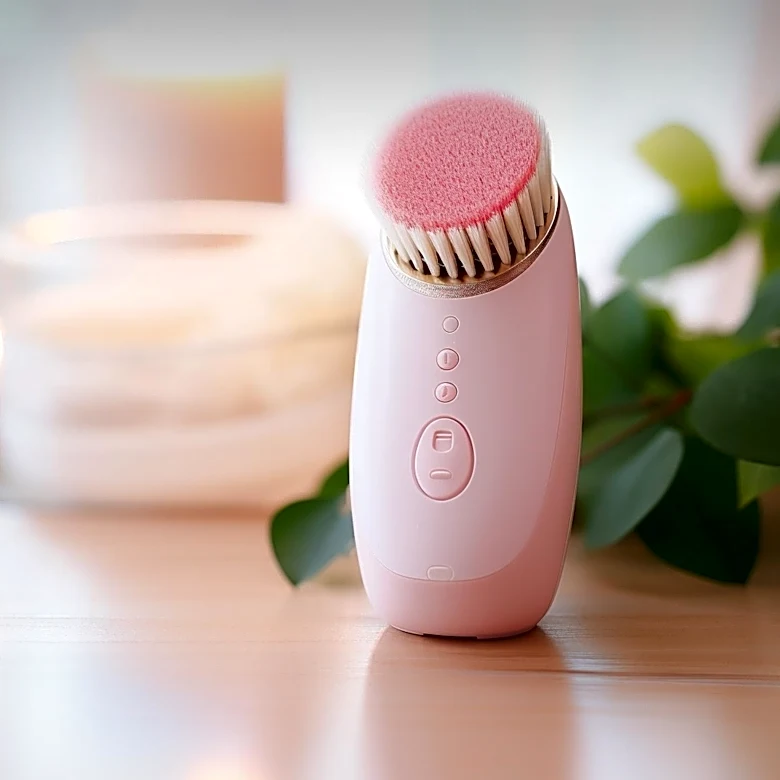
regardless of weather conditions, to prevent skin cancer and premature aging. She advises a simple skincare routine consisting of a gentle cleanser, moisturizer, and sunscreen applied last. For those interested in anti-aging, she suggests incorporating a retinol or retinoid. Dr. Lucas also cautioned against social media hype and unrealistic expectations, stressing that skincare products take time to show results and frequent product switching can irritate the skin. She recommends consulting a dermatologist for personalized skincare plans if desired results are not achieved.
Why It's Important?
These dermatologist-approved tips are important for public health, as skin health is often overlooked until issues arise. The emphasis on prevention, particularly sunscreen use, directly addresses the rising concerns about skin cancer rates in the U.S. and the long-term effects of sun exposure. Dr. Lucas's advice to simplify routines and avoid social media trends is crucial in an era saturated with often misleading or ineffective beauty advice, which can lead to skin irritation or wasted consumer spending. By promoting evidence-based practices, Cleveland Clinic contributes to better-informed public health decisions regarding skincare, potentially reducing the incidence of preventable skin conditions and the need for more intensive medical interventions later in life. This guidance empowers individuals to take proactive steps for their skin health.
What's Next?
As National Healthy Skin Month continues, it is expected that healthcare providers and dermatological organizations will continue to disseminate similar educational content to promote skin health awareness. The advice provided by Dr. Lucas will likely be reinforced through various health campaigns and public service announcements. Consumers are encouraged to adopt these simple, effective practices into their daily routines. The ongoing challenge will be to counteract the influence of unverified skincare trends and ensure that individuals seek professional advice when needed. This focus on preventative care and informed decision-making is a continuous effort in public health education, aiming for long-term benefits in skin health across the U.S. population.
Beyond the Headlines
The advice from Dr. Lucas touches upon a broader cultural phenomenon: the overwhelming influence of social media on personal health and beauty choices. The caution against 'social media hype' highlights the ethical responsibility of healthcare professionals to guide the public towards scientifically sound practices amidst a deluge of unverified claims. This also points to the economic implications of the beauty industry, where consumers are often swayed by marketing rather than efficacy. The long-term shift could be towards a more discerning consumer base that prioritizes professional advice and evidence-based products, potentially leading to a more regulated or transparent beauty market. Furthermore, the emphasis on prevention underscores a societal shift towards proactive health management, moving beyond reactive treatment of ailments.