





What's Happening?
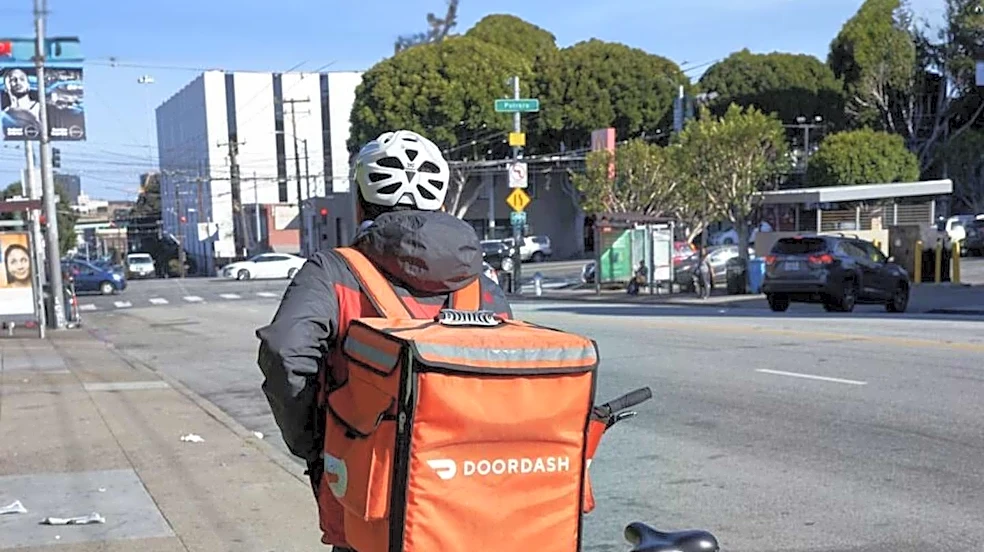
DoorDash, Inc., a technology company known for its local commerce platform, is actively seeking to expand its service offerings beyond food delivery. The company aims to transition from being primarily recognized for delivering food to becoming a comprehensive
platform for 'any and all goods.' This strategic shift involves connecting consumers with a wider array of merchants, including grocery stores, convenience retailers, and other businesses. DoorDash provides various tools for merchants, such as online ordering, logistics, customer engagement, advertising, and business analytics. The company also operates subscription programs like DashPass, offering delivery benefits to customers. DoorDash is currently the leading platform in the U.S. for food delivery, food pickup, and convenience store delivery. The company emphasizes its commitment to employee well-being, offering comprehensive benefits including premium healthcare, wellness expense reimbursement, and paid parental leave, as it seeks to grow its team to support this expansion.
Why It's Important?
This strategic pivot by DoorDash signifies a significant evolution in the on-demand delivery market. By aiming to deliver 'any and all goods,' DoorDash is positioning itself to compete more directly with broader e-commerce platforms and traditional retail, potentially disrupting various sectors beyond restaurants. This expansion could create new revenue streams for DoorDash and offer increased convenience for consumers, who would be able to order a wider range of products through a single platform. For existing and potential merchant partners, it presents an opportunity to reach a larger customer base and leverage DoorDash's logistics network for diverse product categories. The move also indicates a growing trend in the gig economy towards diversified service offerings, potentially impacting labor markets as the company hires for new roles to support this broader vision. Competitors in the delivery and e-commerce space will likely need to adapt their strategies to this expanded scope.
What's Next?
DoorDash will likely continue its recruitment efforts to onboard team members capable of facilitating its expansion into delivering a wider variety of goods. This will involve developing new partnerships with diverse retailers and integrating their inventories into the DoorDash platform. Consumers can expect to see an increasing range of products available for delivery through the DoorDash app, moving beyond prepared meals and groceries to potentially include household essentials, electronics, and other retail items. The company may also invest further in its logistics infrastructure and technology to handle the complexities of delivering a more diverse product catalog. Competitors in the e-commerce and delivery sectors will be closely monitoring DoorDash's progress, potentially leading to similar diversification strategies or increased competition in new market segments. The success of this expansion will depend on DoorDash's ability to efficiently onboard new merchants and manage a broader supply chain.
Beyond the Headlines
DoorDash's ambition to become a platform for 'any and all goods' reflects a broader societal shift towards on-demand convenience and the blurring lines between traditional retail and digital commerce. This expansion could have profound implications for local economies, potentially empowering small businesses to reach customers beyond their immediate vicinity without significant investment in their own delivery infrastructure. However, it also raises questions about market concentration and the potential impact on smaller, independent delivery services. The increased reliance on third-party delivery platforms for a wider range of goods could reshape consumer shopping habits, further accelerating the decline of traditional brick-and-mortar retail for certain product categories. Furthermore, the ethical considerations surrounding gig economy labor practices will become even more pertinent as DoorDash expands its workforce to support this broader logistical undertaking, potentially influencing future regulatory discussions on worker classification and benefits.