

What's Happening?
The global hydroelectric power generation market is anticipated to grow from $262.4 billion in 2025 to $281.3 billion by 2033, exhibiting a Compound Annual Growth Rate (CAGR) of 3.8%, according to DataHorizzon Research. This growth is primarily driven
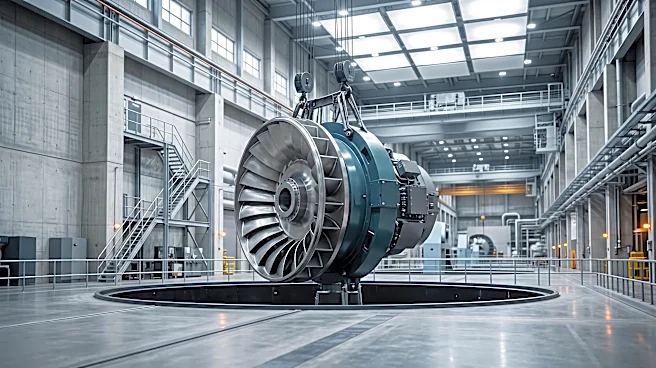
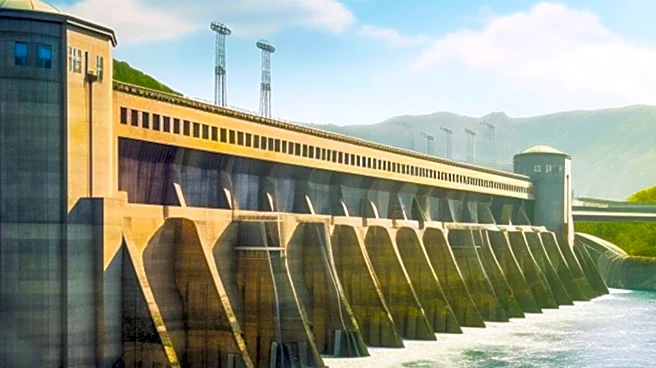
by the modernization of existing hydroelectric fleets and the addition of flexible generation capacity. Hydropower operators are facing the dual challenge of aging infrastructure and the increasing demand for flexible electricity supply to support modern grids. The market encompasses equipment and generation activities for conventional hydropower facilities, including large reservoir projects, run-of-river plants, and pumped-storage systems. A significant portion of this demand stems from refurbishment efforts, such as turbine runner replacement, generator modernization, and control-system upgrades, aimed at extending plant life and increasing output from established sites. New capacity additions, including reservoirs, run-of-river facilities, and pumped-storage projects, also contribute to market expansion. The industry is seeing a shift towards prioritizing lifecycle economics over initial upfront costs in procurement decisions, with factors like turbine efficiency, operating flexibility, and maintenance requirements gaining importance.
Why It's Important?
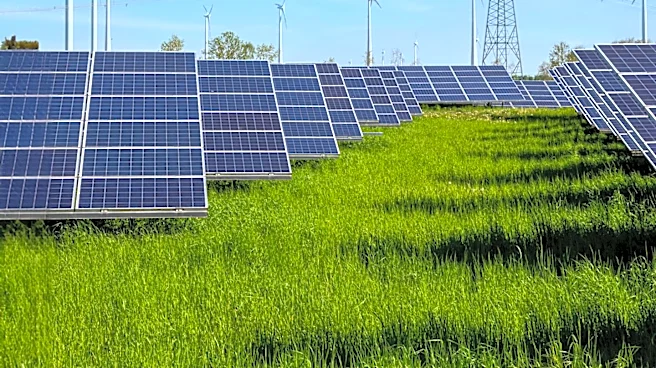
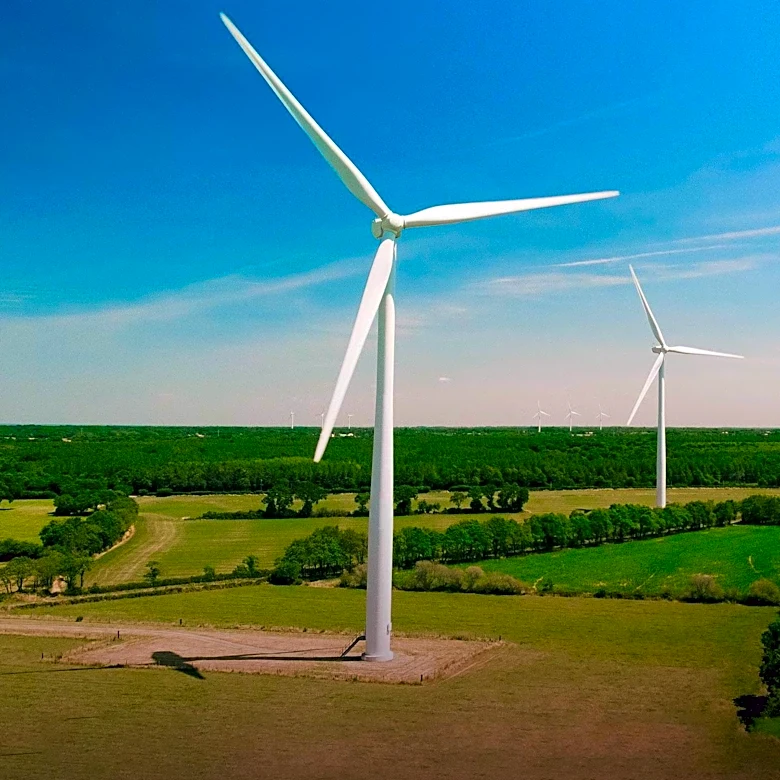
The modernization and expansion of the hydroelectric power generation market are crucial for the U.S. energy landscape, impacting grid stability, renewable energy integration, and economic investment. As the U.S. transitions towards a more diversified energy portfolio, hydropower's ability to provide flexible and dispatchable power becomes increasingly valuable, especially in balancing intermittent renewable sources like solar and wind. The emphasis on upgrading existing assets rather than solely building new ones offers a cost-effective approach to enhancing energy infrastructure, potentially leading to more stable electricity prices for consumers. This trend also creates significant opportunities for U.S. manufacturers and engineering firms specializing in hydropower equipment and services, fostering job creation and technological innovation. Furthermore, the focus on lifecycle economics and digital monitoring in procurement decisions can lead to more sustainable and efficient long-term operation of hydropower facilities, reducing environmental impact and operational costs. The growth in pumped-storage hydropower, in particular, is vital for grid resilience, offering large-scale energy storage solutions that can support the integration of variable renewable energy into the national grid.
What's Next?
The hydroelectric power generation market is expected to see continued investment in refurbishment and new capacity, with a strong focus on enhancing grid flexibility and operational efficiency. Utilities and independent power producers will likely prioritize advanced digital monitoring and condition-based maintenance systems to detect degradation and prevent costly outages. The demand for specialized hydropower equipment, including Francis, Kaplan, and Pelton turbines, will continue to be shaped by site-specific conditions and hydraulic head, with buyers increasingly considering factors like cavitation resistance and long-term service capability. Geographically, North America, with its established installed fleet, will remain a significant market for turbine modernization, dam rehabilitation, and generator upgrades. The industry will also need to address challenges such as lengthy permitting processes, complex civil works, and environmental requirements, which can extend project schedules. Collaboration between equipment suppliers, EPC contractors, utilities, and project developers will be crucial to navigate these complexities and ensure the successful implementation of modernization and new construction projects.
Beyond the Headlines
The evolution of the hydroelectric power generation market extends beyond mere infrastructure upgrades, touching upon critical environmental, social, and economic dimensions. The push for modernization and new capacity must carefully balance energy needs with ecological preservation, particularly concerning river ecosystems and aquatic life. The development of hydropower projects often involves complex land use considerations and potential impacts on local communities, necessitating robust stakeholder engagement and adherence to environmental and social governance (ESG) standards. The increasing integration of hydropower with other renewable energy sources highlights a broader shift towards a more interconnected and resilient energy grid, where different technologies complement each other to ensure reliable power supply. This strategic integration can mitigate the intermittency challenges of solar and wind, providing a stable backbone for the renewable energy transition. Moreover, the long operational lifespans of hydropower assets underscore the importance of long-term planning and investment, making them a foundational element of sustainable energy infrastructure for decades to come. The ongoing technological advancements in turbine design and control systems also present opportunities for further efficiency gains and reduced environmental footprints.