




What's Happening?
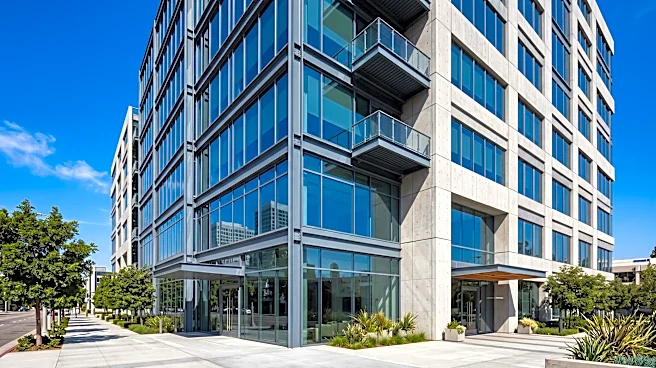
The coworking model is being presented as a viable solution for addressing the growing issue of empty office buildings across the U.S. Office vacancy is increasingly seen as an economic and civic problem, rather than just a leasing challenge. Experts
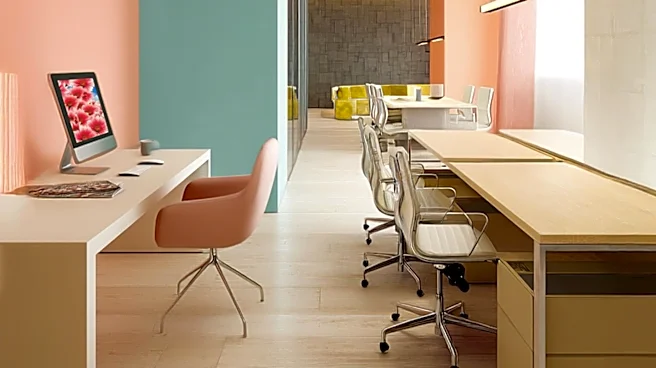
are analyzing what the coworking model can and cannot achieve for vacant properties and where it has proven successful. This approach involves converting traditional office spaces into flexible workspaces, which can improve Net Operating Income (NOI) and asset valuation through vacancy conversion, increased revenue density, and disciplined operations. The shift towards flexible workspaces is also being driven by enterprise demand, with corporate coworking now accounting for over 30% of U.S. coworking revenue, influenced by Fortune 500 adoption, private office demand, and multi-city access programs.
Why It's Important?
The rising vacancy rates in U.S. office buildings pose significant economic challenges for landlords, investors, and urban centers. Empty office floors incur substantial monthly costs, making conversion to flexible workspace an attractive option to achieve breakeven. The coworking model offers a strategy to revitalize these underutilized assets, potentially increasing property values and generating new revenue streams. This trend is reshaping the commercial real estate market, moving away from long-term traditional leases towards shorter terms, smaller units, and a service-oriented approach. The success of these conversions can impact local economies by bringing activity back to urban cores, supporting small businesses, and providing flexible work options for a diverse workforce, thereby contributing to urban resilience and economic stability.
What's Next?
The adoption of the coworking model for vacant office buildings is expected to continue expanding as landlords and developers seek innovative solutions for underperforming assets. This will likely lead to more detailed feasibility studies to determine which Class B or C office buildings are realistic candidates for flexible workspace conversion. The industry will also focus on optimizing revenue stacking through memberships, day passes, meeting rooms, and virtual offices to maximize NOI. Furthermore, the increasing demand from enterprise companies suggests a sustained shift in how businesses utilize office space, pushing developers to integrate coworking and flexible workspace layers to optimize spatial density and achieve higher yields. This evolution will require ongoing adaptation in real estate strategies and investment models.
Beyond the Headlines
Beyond the immediate economic benefits, the widespread adoption of coworking models in converted office buildings has broader implications for urban planning and the future of work. It signifies a fundamental shift in the relationship between employees and their workspaces, emphasizing flexibility, community, and service over traditional, rigid office structures. This transformation can redefine urban landscapes, fostering local economic development and influencing how architects design for shared use. It also raises questions about the long-term impact on corporate culture, employee well-being, and the balance between remote and in-office work. The success of these conversions will depend not only on financial viability but also on creating vibrant, functional spaces that meet the evolving needs of a dynamic workforce.