



What's Happening?
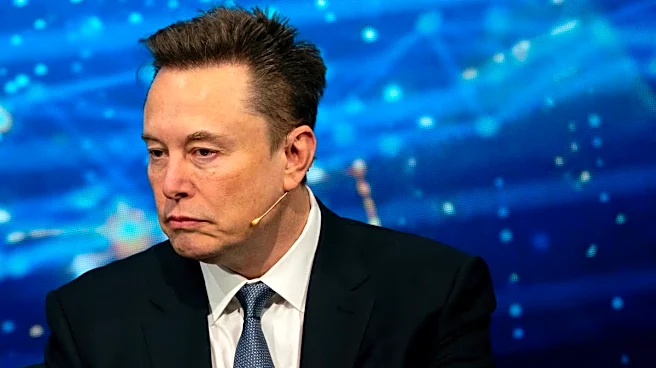
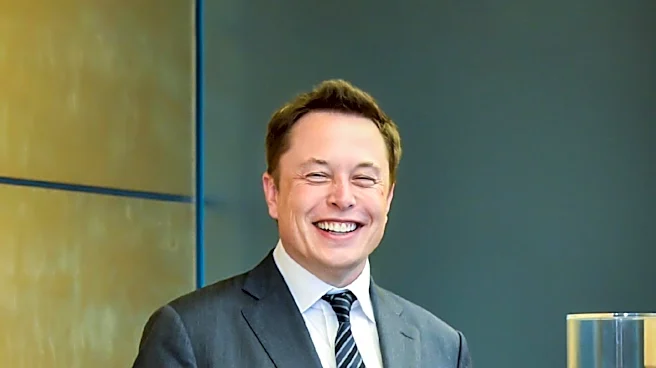
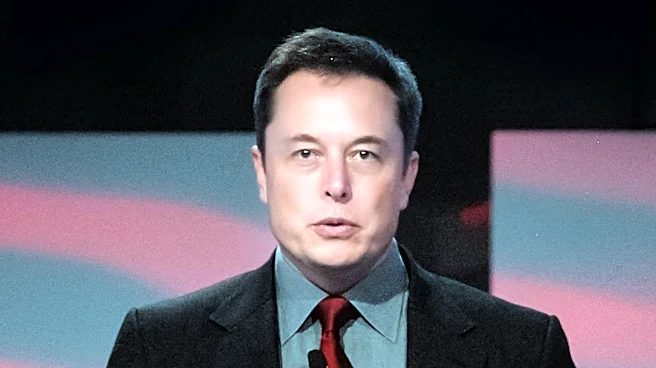
Elon Musk, CEO of SpaceX, has publicly stated that Delta Air Lines CEO Ed Bastian 'will lose his job' following reports that Delta chose Amazon's Leo satellite internet service over Starlink for its in-flight Wi-Fi. The dispute escalated after remarks
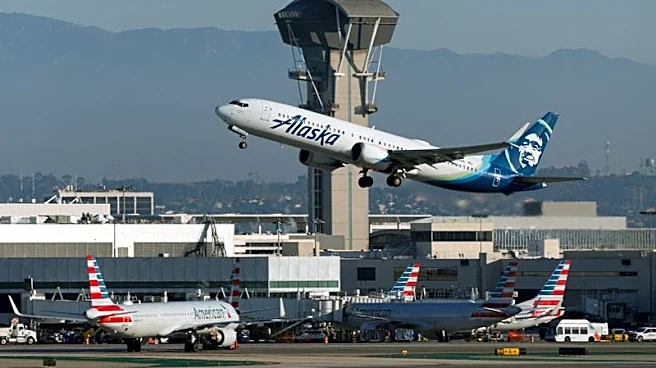
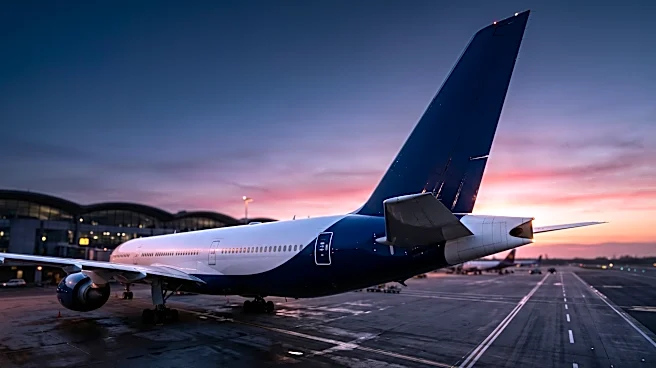
attributed to Bastian circulated online, where he reportedly told staff, 'We do not want to be with Elon Musk. Trust me,' and added, 'If you know his reputation, it's all true what they say about him.' Delta's decision to partner with Amazon Leo means that the rollout of in-flight Wi-Fi on its aircraft will not begin until 2028, significantly later than competitors like United Airlines, which has already equipped over 600 planes with Starlink and aims for 1,000 by late 2026. Other airlines, including Alaska Airlines, Hawaiian Airlines, and Southwest Airlines, also have Starlink in service or are expanding its rollout. Delta has defended its choice by citing an established business relationship with Amazon and potentially lower costs for Amazon's service.
Why It's Important?
This public disagreement highlights the intense competition in the in-flight connectivity market and the growing importance of high-speed Wi-Fi as a differentiator for airlines. Elon Musk's direct challenge to a major airline CEO underscores the high stakes involved for Starlink in securing lucrative contracts and expanding its market share. Delta's decision, influenced by factors beyond just technical capability, such as the reputation of a vendor's CEO, reveals the complex dynamics of corporate partnerships. The delayed rollout of Wi-Fi for Delta, compared to its rivals, could impact its customer satisfaction and competitive standing, as in-flight internet becomes an increasingly expected amenity. This situation also brings to light the broader competition between Starlink and emerging satellite internet providers like Amazon Leo, shaping the future landscape of global connectivity.
What's Next?
The immediate future will likely see continued public discourse and potential reactions from Delta Air Lines regarding Elon Musk's comments. Delta will proceed with its planned rollout of Amazon Leo's in-flight Wi-Fi, with the first 500 aircraft expected to receive the service starting in 2028. The airline will need to manage customer expectations regarding the timeline and performance of its chosen Wi-Fi solution, especially as competitors continue to expand their Starlink-equipped fleets. The performance and reliability of Amazon Leo's service, once deployed, will be critical in validating Delta's decision. Meanwhile, Starlink will continue to pursue partnerships with other airlines globally, aiming to solidify its position as a leading provider of in-flight connectivity. The broader satellite internet market will also see ongoing developments, with companies like Amazon and Starlink vying for dominance in various sectors.
Beyond the Headlines
This incident transcends a simple business dispute, touching upon the influence of personal brand and reputation in corporate decision-making. Elon Musk's outspoken nature and public persona, while driving innovation, can also create friction in business relationships. Delta's reported reluctance to partner with Musk due to his 'reputation' suggests that corporate values and public image are increasingly significant factors in strategic alliances. This could set a precedent where the personal conduct of a CEO impacts a company's ability to secure major contracts. Furthermore, the rapid advancement of satellite internet technology is transforming industries, from aviation to remote connectivity, and the choices made by major players like Delta will have long-term implications for technological adoption and consumer experience. The competition between Starlink and Amazon Leo also reflects a larger battle for dominance in the burgeoning space-based internet economy.