






What's Happening?
Scott Kirby, CEO of United Airlines, has publicly accused Boeing and Airbus of a 'quiet agreement' not to invest in new aircraft development. Kirby argues that the duopoly held by these two aerospace giants has diminished the incentive for innovation,
leading to a stagnation in the creation of new airframes. He expressed frustration over the lack of a modern replacement for the Boeing 757, a need he claims to have voiced for over two decades. Kirby suggests that the reluctance to invest in new designs stems from a lack of competitive pressure, and he advocates for the emergence of a third aircraft manufacturer to challenge the existing duopoly. However, this accusation is met with skepticism, as Airbus has developed the A321XLR, which United itself ordered as a 757-200 replacement, demonstrating ongoing innovation within the duopoly.
Why It's Important?
Kirby's allegations, if substantiated, would have significant implications for the U.S. airline industry and global aerospace manufacturing. A lack of competition could stifle innovation, potentially leading to higher costs for airlines and fewer advanced, fuel-efficient aircraft options. This could impact airline profitability, environmental goals, and passenger experience. The debate also highlights the complex relationship between airlines and aircraft manufacturers, where airlines, as major customers, seek more advanced and efficient planes, while manufacturers balance development costs with market demand and existing program commitments. The ongoing challenges faced by Boeing, particularly with its 737 MAX program, have diverted resources and attention, potentially contributing to the perceived slowdown in new aircraft development, regardless of any alleged 'agreement.'
What's Next?
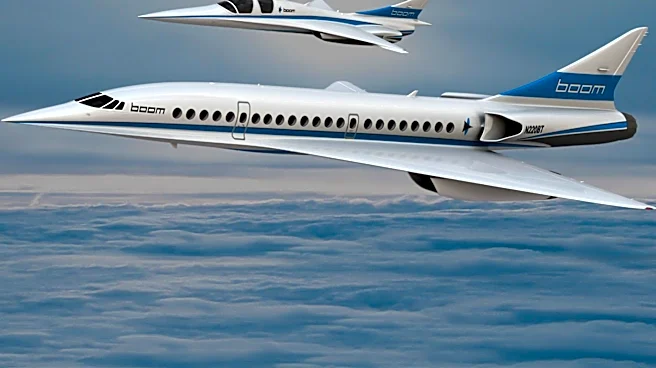
The claims made by United Airlines' CEO are likely to spark further discussion within the aerospace industry and among regulatory bodies. While Kirby did not present evidence of a formal agreement, his comments could prompt increased scrutiny of the competitive landscape in aircraft manufacturing. For Boeing, addressing these concerns may involve demonstrating a clear roadmap for future aircraft development, beyond incremental updates to existing models. For airlines, the continued demand for more efficient and capable aircraft will persist, potentially leading to further pressure on manufacturers to innovate. The emergence of new players in the commercial aircraft market, as suggested by Kirby, remains a long-term possibility, but it would require substantial investment and overcoming significant barriers to entry.
Beyond the Headlines
Kirby's critique extends beyond just the aircraft manufacturers, touching upon the broader issue of market concentration and its effects on innovation and consumer choice. His argument for more competition in aircraft manufacturing contrasts with his stance on airline mergers, where he has previously advocated for the benefits of consolidation. This highlights a fundamental tension in market dynamics: while businesses often seek to reduce competition among their suppliers to gain leverage, they may simultaneously resist increased competition in their own markets. The underlying principle is that customers (whether airlines buying planes or passengers buying tickets) benefit from more credible alternatives. This situation also raises questions about the role of investors in influencing long-term R&D decisions, as manufacturers weigh the immense costs of new aircraft development against potential returns.