


What's Happening?
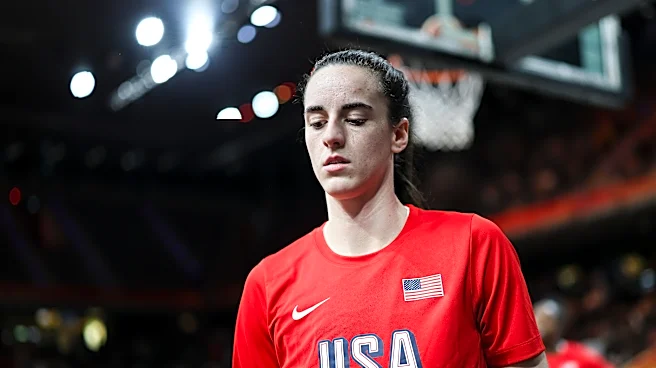
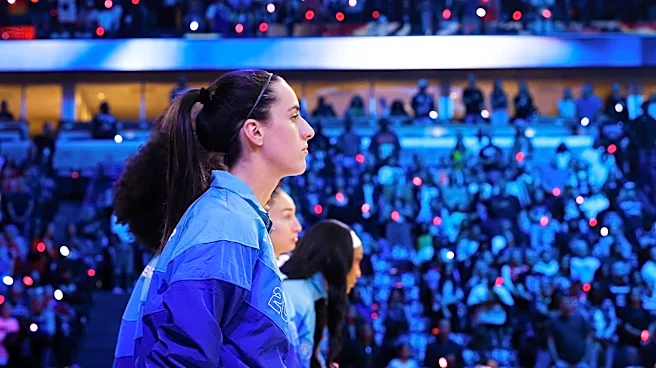
During a recent Team USA basketball game against Italy, WNBA star Caitlin Clark was involved in a heated exchange with Italian head coach Andrea Capobianco. The incident occurred late in the first quarter when play was stopped for a foul call. As Clark spoke
with referees, Capobianco became animated from the Italian sideline, directing his frustration towards her. Clark remained engaged in the conversation, and the interaction quickly went viral across social media platforms. Fans reacted with a mix of humor and commentary, with some joking about Clark's competitive spirit and others noting Capobianco's apparent smile during the intense moment. This exchange garnered significant attention, especially since Capobianco had previously praised Clark's basketball abilities and her positive impact on women's basketball, describing her as an exceptional player who makes the sport more enjoyable. Despite his earlier positive remarks, Capobianco challenged Clark during the game, believing she had exaggerated contact on a play. The viral moment occurred during a challenging offensive night for Clark, who finished with only one point after missing all six of her field goal attempts, along with one assist and two turnovers in nineteen minutes.
Why It's Important?
This incident highlights the growing visibility and intensity surrounding WNBA players, particularly Caitlin Clark, who has brought significant attention to women's basketball. The viral nature of the exchange underscores the increased fan engagement and scrutiny that top players now face, both on and off the court. Such interactions, even if seemingly minor, can quickly become major talking points, influencing public perception and media narratives around the sport. For the WNBA, this level of attention, whether positive or negative, contributes to its expanding audience and cultural relevance. It also demonstrates the competitive fire that exists in international basketball, where coaches and players are not afraid to challenge each other, regardless of individual accolades. The incident could also spark discussions about sportsmanship, the role of coaches in player interactions, and how officials manage such situations in high-stakes games. The fact that a coach who previously lauded Clark's talent later confronted her on the court illustrates the dynamic and often unpredictable nature of competitive sports, where admiration can quickly give way to on-court rivalry.
What's Next?
While the immediate game has concluded, the viral video of the exchange between Caitlin Clark and Coach Capobianco is likely to continue circulating and being discussed on social media and sports commentary platforms. This could lead to further analysis of the interaction by sports analysts and fans, potentially influencing future perceptions of both Clark and Capobianco. For Caitlin Clark, this event adds another layer to her public persona as a competitive and engaged player, which could further endear her to some fans while potentially drawing criticism from others. The incident might also prompt a review of player-coach interactions in international basketball, though no formal action is expected. As Clark continues her career, similar intense moments are probable, given her high profile and competitive nature. The broader impact on Team USA's dynamics or future international games is unlikely to be significant, but it serves as a memorable moment in the ongoing narrative of her burgeoning career and the increasing spotlight on women's basketball.
Beyond the Headlines
The viral exchange between Caitlin Clark and Italian coach Andrea Capobianco transcends a simple on-court moment, touching upon broader themes within sports culture. It highlights the evolving landscape of women's sports, where athletes like Clark are not only celebrated for their skill but also scrutinized for their demeanor and interactions. This increased visibility brings both opportunities and challenges, as every action can be amplified and dissected by a global audience. The incident also subtly explores the tension between admiration and competition; Capobianco's prior praise for Clark did not prevent a heated on-court confrontation, illustrating that respect for talent does not preclude intense rivalry. Furthermore, the fan reactions, ranging from humor to debate, reflect a growing engagement with women's basketball, indicating a shift in how the sport is consumed and discussed. This level of public interest suggests that WNBA players are increasingly becoming cultural figures whose personalities and competitive spirit are as compelling as their athletic achievements, pushing the boundaries of traditional sports narratives.