






What's Happening?
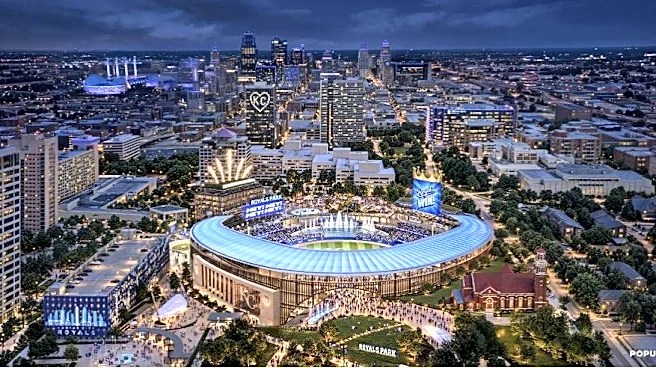
The Kansas City Royals have unveiled new renderings for their proposed $3 billion downtown ballpark and mixed-use development. The project, which includes a $1.9 billion stadium and an 85-acre surrounding development, has received a $600 million commitment
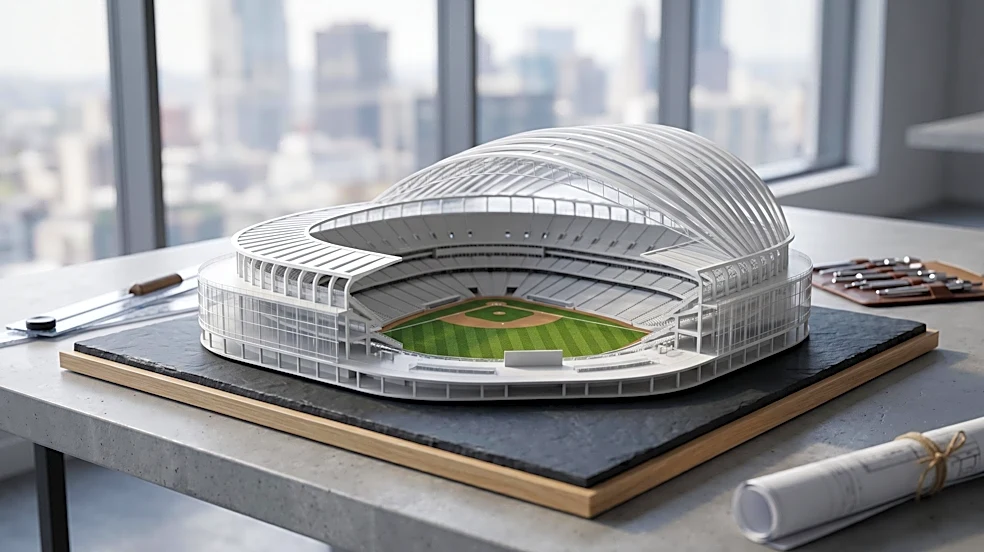
from the Kansas City Council, with the remaining funds to be covered by private investors and the Royals ownership. Royals CEO John Sherman defended the selection of Populous, a local Kansas City firm, as the architects for the 34,000-seat stadium. Sherman emphasized the firm's global reputation, stating, "We could have searched the world over for the leading sports architecture firm in the world, but it's right here in Kansas City." Construction is slated to commence in May 2027, allowing three years for preparation before the team's anticipated move in 2030. Fan reactions to the new designs are a mix of excitement for the aesthetic appeal and caution regarding the team's future competitiveness.
Why It's Important?
This project signifies a substantial economic and urban development initiative for Kansas City. The $3 billion investment is expected to revitalize the downtown area, creating a new hub for entertainment and commerce. The selection of a local architecture firm, Populous, underscores a commitment to leveraging local talent and resources, potentially boosting the regional economy through job creation and business opportunities. However, the success of this venture extends beyond infrastructure; it hinges on the Royals' ability to build a competitive team. Fans' mixed reactions highlight a critical concern: a state-of-the-art stadium must be accompanied by on-field success to truly engage the community and ensure long-term viability. The project's scale and the public funding commitment also place significant pressure on the ownership to deliver both a visually appealing venue and a winning franchise, impacting local pride and economic returns.
What's Next?
With construction scheduled to begin in May 2027, the next three years will involve detailed planning, site preparation, and continued engagement with local authorities and the community. The Royals ownership will face increasing pressure to demonstrate their commitment to building a competitive team, as fan sentiment clearly links the new stadium's success to on-field performance. This will likely involve strategic player acquisitions, development programs, and a clear vision for the team's future. The city will also need to manage the logistical challenges associated with such a large-scale urban development, including traffic management, public transportation, and integration with existing downtown infrastructure. The period leading up to the 2030 move will be crucial for both the team and the city to ensure the project fulfills its promise of revitalizing downtown Kansas City and delivering a successful baseball franchise.
Beyond the Headlines
The Royals' new ballpark project transcends a simple stadium construction; it represents a significant cultural and psychological shift for Kansas City. The move from the Truman Sports Complex, which has been the team's home since 1973, marks an end to an era and the beginning of a new chapter in the city's sports history. The emphasis on a mixed-use development around the stadium suggests a broader urban planning strategy aimed at creating a vibrant, walkable downtown district, potentially fostering a stronger sense of community and civic pride. However, the project also raises questions about the balance between public and private funding for sports venues and the long-term economic benefits for local residents. The challenge for the Royals and the city will be to ensure that the development is inclusive and benefits all segments of the population, not just those attending games or visiting the new entertainment district.