


What's Happening?
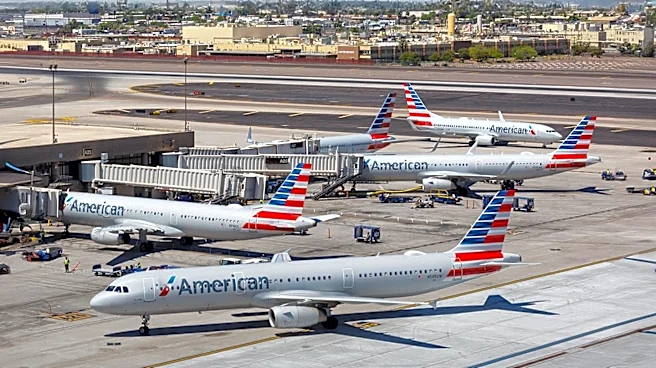
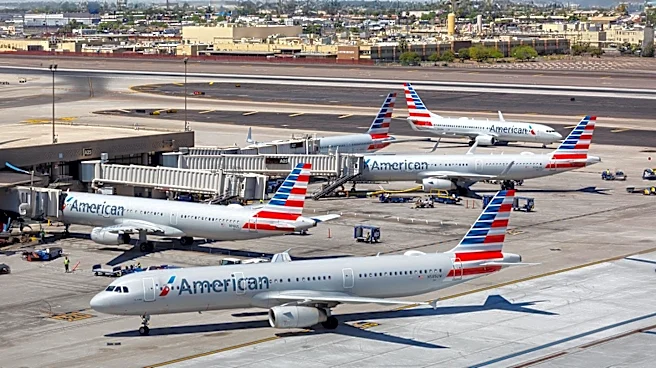
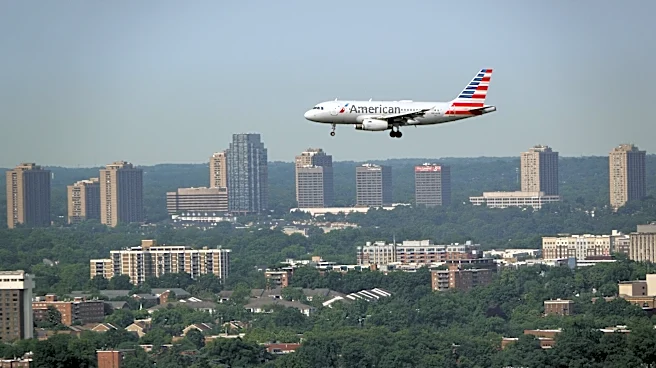
Following a four-hour and 21-minute Federal Aviation Administration (FAA) ground stop on November 13, American Airlines cancelled 23.2% of its U.S. departures, a higher percentage than its competitors, according to Cirium flight data. This event has led to strong
criticism from American Airlines' pilots and flight attendants unions. The Association of Professional Flight Attendants (APFA) President Julie Hedrick and Allied Pilots Association (APA) President Nick Silva issued a joint letter to management, stating that the repeated failure to deliver accountability has placed the consequences of management's decisions squarely on frontline employees. They highlighted that employees are consistently put in situations requiring 'individual heroics' due to inadequate systems, staffing, planning, and leadership. The unions assert that American Airlines needs a new direction and leadership capable of delivering it, citing a similar slow recovery from Winter Storm Fern in January as evidence of management's lack of progress in preparing for large-scale disruptions.
Why It's Important?
The ongoing criticism from American Airlines' unions regarding management's handling of operational disruptions underscores significant internal challenges within the company. This situation impacts not only the airline's operational efficiency and financial performance but also employee morale and customer satisfaction. When an airline struggles to recover from events like an FAA ground stop more effectively than its peers, it can lead to increased flight cancellations and delays, directly affecting thousands of travelers and potentially damaging the airline's reputation. The unions' strong stance suggests a deep-seated frustration with leadership, which could escalate into labor disputes or impact future contract negotiations. For the broader U.S. airline industry, American's struggles highlight the critical importance of robust operational planning and effective crisis management, especially in an environment prone to unforeseen disruptions.
What's Next?
The joint letter from the APFA and APA presidents signals a heightened level of pressure on American Airlines' CEO Robert Isom and his management team. While the unions have called for a change in direction and leadership, specific immediate actions from management are not detailed in the source. However, the public nature of this rebuke suggests that management will likely face increased scrutiny from employees, shareholders, and potentially regulatory bodies regarding their operational recovery strategies. The airline will need to demonstrate tangible improvements in its ability to manage disruptions and support its frontline staff. Failure to address these concerns could lead to further erosion of employee trust, potential labor actions, and continued operational inefficiencies that impact the airline's competitive standing and financial health. The unions' call for accountability indicates a demand for systemic changes rather than superficial adjustments.
Beyond the Headlines
The repeated failures in managing operational recoveries, as highlighted by the unions, point to a deeper systemic issue within American Airlines beyond just individual events. The phrase 'individual heroics are required to compensate for inadequate systems, staffing, planning, and leadership' suggests a culture where frontline employees are expected to mitigate the shortcomings of organizational infrastructure. This can lead to burnout, decreased job satisfaction, and a potential decline in service quality over time. Ethically, it raises questions about management's responsibility to provide adequate resources and support for its workforce. Legally, persistent operational failures could attract regulatory attention if they are deemed to compromise passenger safety or rights. Culturally, such ongoing issues can foster an environment of distrust between labor and management, making it harder to implement necessary reforms and achieve long-term stability and growth for the airline.