









What's Happening?
Inflation in the U.S. has decreased to 3.5% in June, down from 4.2% in May, according to the Consumer Price Index (CPI) data released by the U.S. Labor Department. This decline is largely driven by a significant drop in energy prices, following a temporary
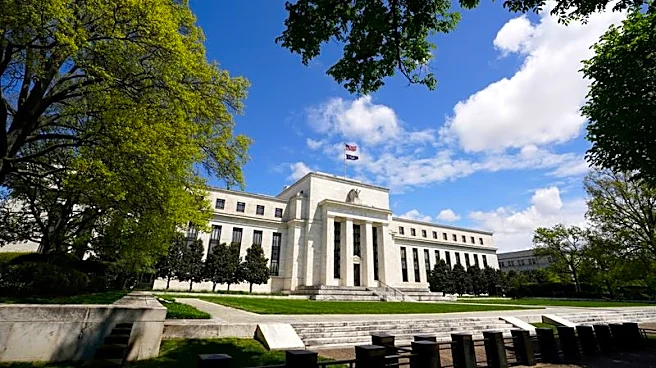
ceasefire between the U.S. and Iran. The reduction in inflation has led to a decrease in the 10-year Treasury yield, which closely influences mortgage rates. As a result, mortgage rates have remained around 6.5% for nearly two months. Despite this positive development, the Federal Reserve remains cautious, with officials indicating that more consistent data is needed before making any significant policy changes.
Why It's Important?
The drop in inflation is a positive sign for the U.S. economy, potentially easing some pressure on mortgage rates and providing relief to homebuyers. Lower inflation can lead to more stable economic conditions, benefiting consumers and businesses alike. However, the Federal Reserve's cautious stance suggests that any policy adjustments will be gradual, as they await more consistent data to confirm a sustained trend. This cautious approach reflects the complexity of balancing economic growth with inflation control, impacting financial markets and consumer confidence.
What's Next?
The Federal Reserve is likely to maintain its current interest rate policy until more consistent data on inflation and economic conditions are available. The ongoing geopolitical situation, particularly in the Middle East, could influence energy prices and, consequently, inflation trends. Homebuyers and financial markets will be closely monitoring these developments, as they could impact mortgage rates and economic stability in the coming months.