




What's Happening?
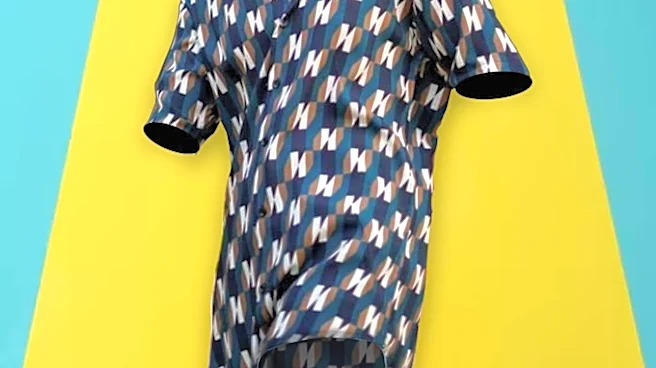
Google has rolled out a new AI-powered 'Wardrobe' feature within Google Photos for eligible Android and iOS users in the United States, India, and Brazil. This feature, first previewed in April, leverages artificial intelligence to organize a user's clothing
items scattered across their photo library into a single, searchable collection. Users can browse items by categories such as tops, bottoms, and jewelry, combine them into outfits, and save or share these combinations as moodboards. A key aspect of the Wardrobe feature is its virtual try-on (VTO) capability, allowing users to preview how an outfit might look on them. Unlike many digital fashion tools that encourage new purchases, Google's Wardrobe focuses on helping users rediscover and restyle garments they already own, promoting a more sustainable approach to fashion by maximizing the use of existing wardrobes.
Why It's Important?
This development is significant for the U.S. consumer market as it integrates advanced AI into everyday applications, potentially changing how individuals interact with their personal belongings and approach fashion. By focusing on existing wardrobes, Google Photos' Wardrobe feature could encourage more sustainable consumption habits, reducing the impulse for frequent new purchases. This aligns with a growing consumer interest in circular fashion and sustainability. For the retail and fashion industries, this could shift focus from constant new sales to supporting longevity and versatility of clothing. The virtual try-on technology also offers a practical utility that could influence how consumers plan outfits and make future purchasing decisions, even if the feature itself doesn't directly push new sales. It also highlights the increasing role of AI in personal organization and lifestyle management, setting a precedent for similar integrations in other consumer-facing technologies.
What's Next?
The immediate next steps involve user adoption and feedback on the new Google Photos Wardrobe feature. Its usefulness will largely depend on how accurately the AI can identify and categorize clothing from diverse photo libraries and how faithfully the virtual try-on conveys fit and fabric. Google will likely monitor engagement and user satisfaction to refine the AI algorithms and potentially expand the feature's capabilities or availability to other regions. There's also potential for this technology to integrate with other platforms or services, such as online clothing rental markets, by providing a more organized and visual inventory of a user's current style. The success of this feature could also spur competitors to develop similar AI-driven wardrobe management tools, further embedding such technologies into daily life.
Beyond the Headlines
Beyond its immediate utility, Google Photos' AI-powered Wardrobe feature touches upon deeper implications regarding personal data, privacy, and the evolving relationship between technology and self-expression. The AI's ability to 'see' and categorize personal clothing from photos raises questions about data security and how this visual information might be used or protected. Ethically, while the feature promotes sustainability by encouraging reuse, it also subtly reinforces a digital dependency for personal organization. Culturally, it could influence fashion trends by making personal style more data-driven and optimized, potentially leading to a more uniform or algorithm-influenced aesthetic. This tool represents a step towards a future where AI not only assists with tasks but also actively shapes personal choices and lifestyle habits, blurring the lines between digital convenience and personal autonomy in areas like fashion.