



What's Happening?
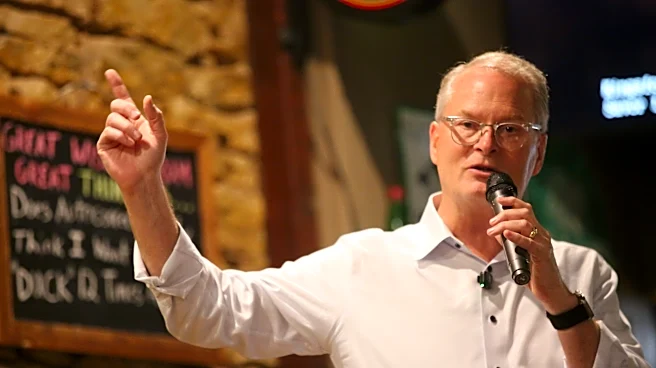
Buc-ee's, the popular Texas convenience store chain, has initiated a trademark infringement lawsuit against Beaver's Mini Mart in Beavercreek, Ohio. This legal action has sparked significant backlash, particularly within Ohio, with Governor Mike DeWine
describing the lawsuit as “absurd.” The controversy arose four months after Buc-ee's opened its first Ohio store near Dayton, approximately a half-hour drive from Beaver's Mini Mart. Buc-ee's alleges that Beaver's Mini Mart's beaver logo too closely resembles its own branded Buc-ee beaver. The Texas-based company has a history of aggressive trademark enforcement against businesses using animal mascots. In response to the lawsuit, supporters of Beaver's Mini Mart have launched online protests, boycotts, and a GoFundMe campaign that has raised at least $69,000 to cover legal fees. The city of Beavercreek has also passed a resolution making the beaver an official part of its history, and local businesses have temporarily altered their logos to include beavers in solidarity.
Why It's Important?
This lawsuit highlights the complexities and potential pitfalls of trademark protection for large corporations, especially when dealing with smaller, local businesses. For Buc-ee's, protecting its distinctive beaver logo is crucial for maintaining brand identity and market share, particularly as it expands into new territories. However, the public and political backlash, including comments from Ohio Governor Mike DeWine, indicates a significant misstep in public relations and community engagement. The situation underscores the power of local sentiment and social media in shaping corporate reputation. For small businesses like Beaver's Mini Mart, such lawsuits can be financially devastating, even if they ultimately prevail. The widespread support for Beaver's Mini Mart suggests a broader public sympathy for local enterprises against corporate giants, potentially influencing consumer loyalty and purchasing decisions in the region and beyond. This case could set a precedent for how large chains approach trademark disputes with smaller entities, especially in communities where local identity is tied to common symbols.
What's Next?
The lawsuit will proceed in federal court in Ohio, where a jury trial has been requested by Buc-ee's. The outcome will likely hinge on whether the court finds sufficient similarity between the two beaver logos to constitute trademark infringement and whether Beaver's Mini Mart's use of a beaver, given the city's name, can be defended. Regardless of the legal outcome, Buc-ee's will need to address the significant public relations challenge it faces. The ongoing boycott and negative sentiment could impact its brand image and sales in Ohio and potentially other markets. Beaver's Mini Mart, bolstered by community support and fundraising efforts, will continue its legal defense. This case may also prompt other small businesses to proactively assess their branding for potential conflicts with larger corporations, and it could encourage lawmakers to consider protections for local businesses against aggressive trademark enforcement tactics.
Beyond the Headlines
Beyond the immediate legal and business implications, this case touches on deeper cultural and ethical considerations. It raises questions about the balance between protecting intellectual property and fostering local identity and fair competition. The strong community response in Beavercreek, including the city's official adoption of the beaver as a historical symbol, reflects a broader trend of communities rallying against perceived corporate overreach. This incident could fuel discussions about the ethical responsibilities of large corporations towards smaller businesses and local communities. It also highlights the evolving landscape of brand perception, where public opinion, amplified by social media, can significantly influence a company's standing. The 'David vs. Goliath' narrative of this lawsuit resonates with many, potentially leading to increased consumer scrutiny of corporate behavior and a greater emphasis on supporting local economies.