
What's Happening?
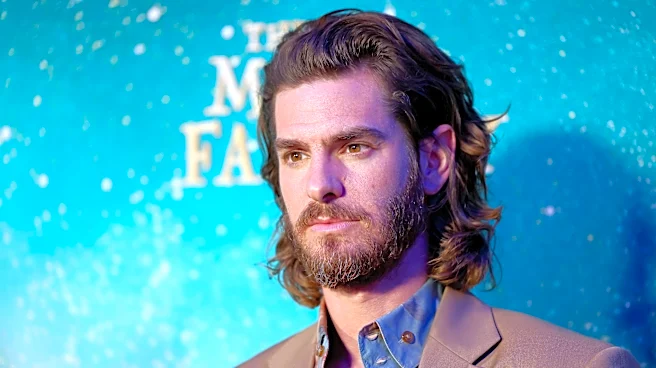
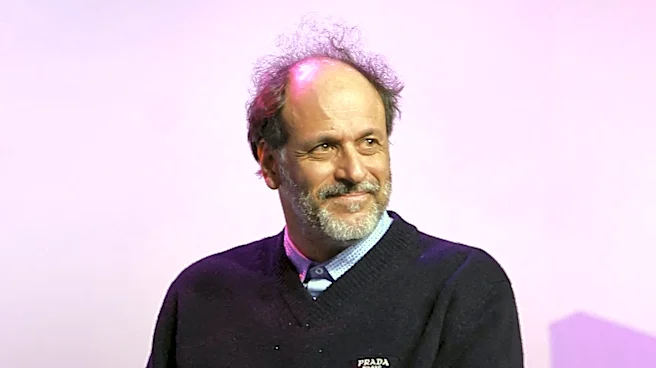
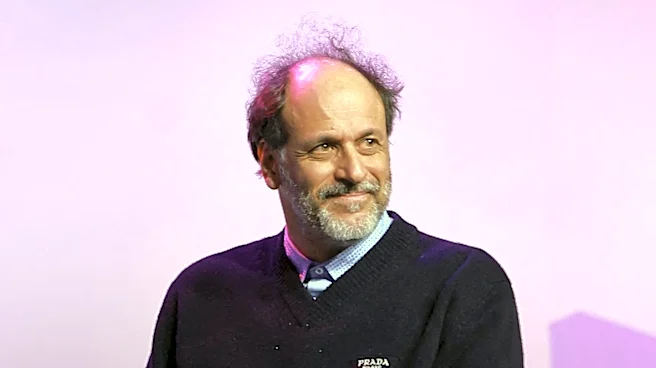
The film 'Artificial,' directed by Luca Guadagnino and written by Simon Rich, delves into the human stories and relationships that shaped the rise of OpenAI and the development of artificial intelligence.
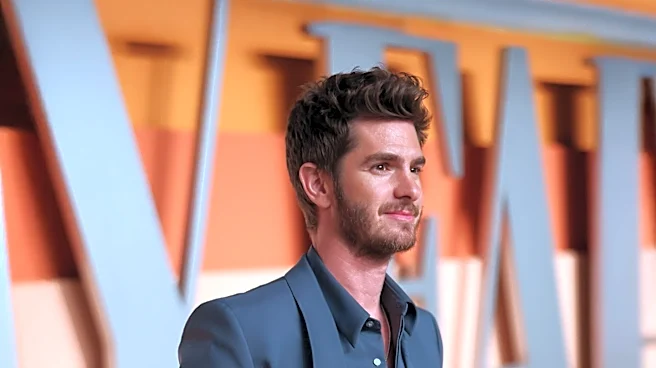
Starring Andrew Garfield as OpenAI CEO Sam Altman and Monica Barbaro as technology executive Mira Murati, the movie explores the tensions and contrasting visions within the company's leadership. Yura Borisov portrays OpenAI co-founder Ilya Sutskever, depicted as a figure who recognized AI's potential for scientific and societal benefit. The narrative examines the ethical dilemmas, personal ambitions, and complex relationships inherent in technological innovation, highlighting the shift from scientific idealism to commercial ambition. The filmmakers emphasized grounding the story in documented events and public statements, with Garfield and Barbaro conducting extensive research to portray their real-life counterparts.
Why It's Important?
The film 'Artificial' is significant because it humanizes the often-abstract world of artificial intelligence development, making its societal implications more accessible to a broader audience. By focusing on the personal ambitions, ethical conflicts, and power dynamics within a leading AI company like OpenAI, it sheds light on the human element driving a technology that is rapidly transforming U.S. industries, economy, and daily life. The movie's exploration of the tension between scientific idealism and commercial success reflects a critical debate within the tech sector about responsibility, profit, and public good. This narrative can influence public perception of AI, fostering a more nuanced understanding of its creators and the challenges they face, which in turn can impact discussions around AI regulation and corporate accountability in the U.S.
What's Next?
The release of 'Artificial' is likely to stimulate further public discourse and critical analysis of the AI industry and its key figures. It may prompt increased scrutiny of the ethical considerations and corporate governance within AI companies, potentially influencing future policy debates on technology regulation. The film's portrayal of the human cost and complexities behind AI development could also inspire more artistic and journalistic explorations into this rapidly evolving field. For the individuals depicted, the film could reshape public perception and contribute to their legacies within the tech world. The ongoing relevance of AI in society ensures that discussions sparked by 'Artificial' will continue to resonate in cultural, political, and business spheres.
Beyond the Headlines
Beyond its immediate impact as a film, 'Artificial' touches upon deeper societal questions about truth, public perception, and the influence of technology leaders. Simon Rich's observation about Ilya Sutskever's warnings being met with skepticism, while other public statements are accepted, highlights a broader issue of credibility and trust in an age of rapid technological change. The film implicitly questions who has the authority to shape public understanding of complex technologies like AI. It also explores the psychological toll and moral responsibilities of individuals at the forefront of such transformative developments. This narrative contributes to a growing cultural conversation about the balance between technological progress and human values, and the need for accountability in an increasingly AI-driven world.