




What's Happening?
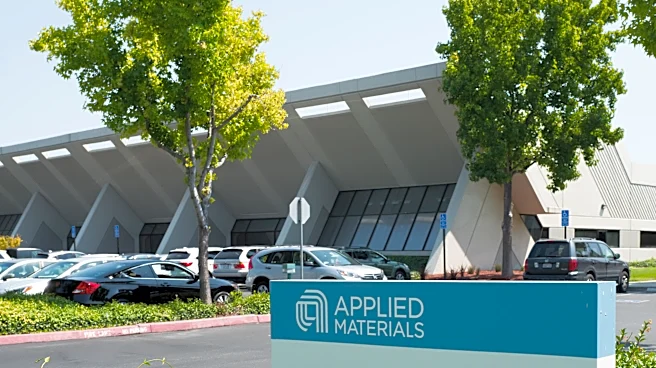
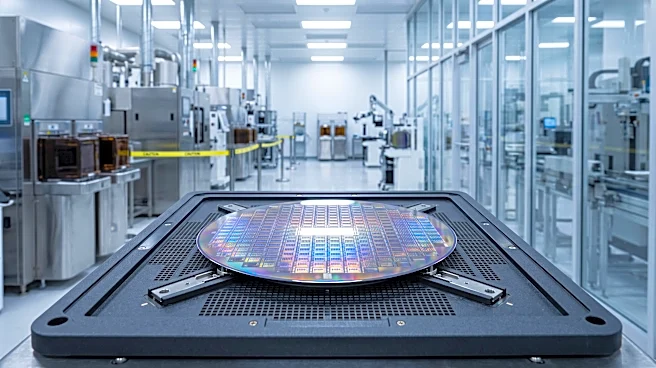
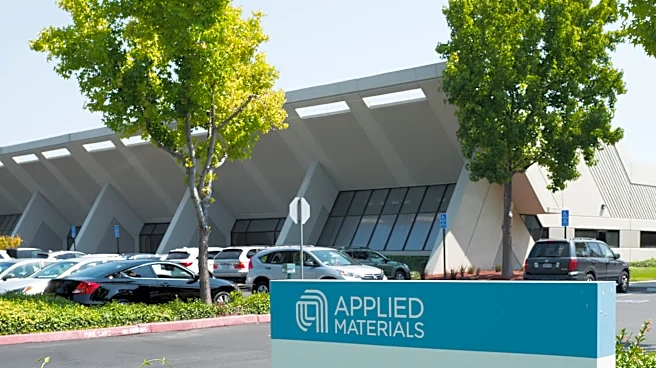
Applied Materials, a major supplier to the semiconductor industry, has announced plans to double its systems output by 2028. This ambitious goal is a direct response to the escalating global demand for advanced chips, particularly those used in artificial
intelligence (AI) applications. The company reported record quarterly revenue of $10.41 billion in Q4 2026, a 53% increase year-over-year, with its semiconductor systems segment contributing $8 billion, up 64% from the previous year. CEO Gary Dickerson highlighted that the demand for advanced semiconductors significantly outpaces current supply, necessitating substantial investment in new manufacturing capacity. The expansion plan includes not only doubling systems output but also more than doubling manufacturing and laboratory capacity by 2030. Applied Materials anticipates a more than 30% year-over-year growth in wafer fabrication equipment (WFE) demand in 2027, driven by leading-edge logic, DRAM, and advanced packaging. The company is tracking over 20 fab ramps and expansions scheduled for 2027, with more than 10 new major projects added in the last quarter alone, many targeting 2029 and 2030.
Why It's Important?
This expansion by Applied Materials is crucial for the U.S. and global technology sectors, as it addresses a critical bottleneck in the supply chain for advanced semiconductors. The persistent high demand for chips, especially for AI, underscores the foundational role these components play in technological advancement and economic growth. A robust supply of manufacturing equipment is essential for chipmakers to meet the needs of various industries, from consumer electronics to defense. The U.S. relies heavily on a stable and sufficient supply of advanced chips for its technological leadership and national security. Applied Materials' efforts to increase output will help mitigate potential future chip shortages, which have previously disrupted numerous industries and led to significant economic losses. Furthermore, the focus on leading-edge logic, DRAM, and advanced packaging indicates a strategic alignment with the most critical and high-growth areas of semiconductor technology, ensuring that the U.S. remains competitive in these vital fields. The investment in manufacturing and laboratory capacity also signals a long-term commitment to innovation and domestic production capabilities, which can strengthen the U.S. position in the global semiconductor landscape.
What's Next?
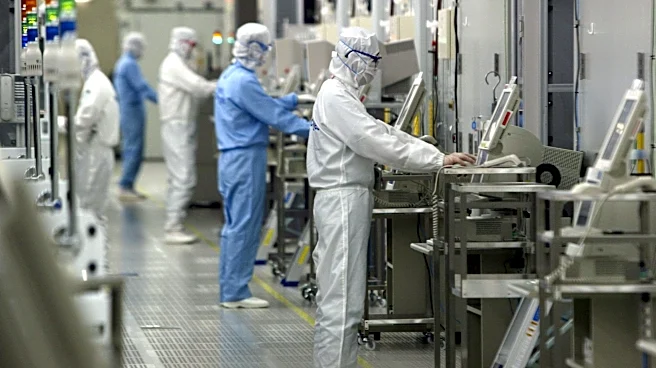
Applied Materials has guided for revenue of $11.1 billion, plus or minus $500 million, for the first quarter of fiscal 2027, indicating continued strong performance. The company's ability to meet its ambitious output targets will depend on overcoming key limiting factors such as cleanroom capacity and component supply. CFO Brice Hill identified cleanroom capacity as a significant constraint for the sector in the medium term, alongside component supply. Applied Materials is actively engaging with over 250 supplier executives and collaborating with customers on forward-looking forecasts to scale production in alignment with its supply base. The company expects to outperform the overall WFE market through 2030, attributing this to its broad portfolio, which includes essential technologies for AI chip production. The ongoing expansion of fab ramps and new projects globally suggests a sustained period of investment and growth in the semiconductor industry, with Applied Materials positioned to be a central player in enabling this expansion. The market will closely watch how these capacity increases translate into actual chip availability and whether they can fully satisfy the burgeoning demand, particularly from the AI sector.
Beyond the Headlines
The aggressive expansion by Applied Materials highlights a broader strategic shift in the semiconductor industry, where the focus is not just on innovation but also on resilience and capacity. The emphasis on doubling output and expanding infrastructure reflects a recognition that the global economy's reliance on advanced chips is only intensifying, particularly with the rapid development of AI. This situation also brings to light the geopolitical implications of semiconductor manufacturing, as nations increasingly view chip supply chains as strategic assets. The U.S., through companies like Applied Materials, is working to secure its position in this critical industry. The challenges of cleanroom capacity and component supply underscore the complex interdependencies within the global manufacturing ecosystem. Addressing these constraints will require not only corporate investment but also potential governmental support and international cooperation to ensure a stable and secure supply chain for essential technologies. The long-term success of these expansion efforts will determine the pace of technological progress and economic competitiveness for years to come.