





What's Happening?
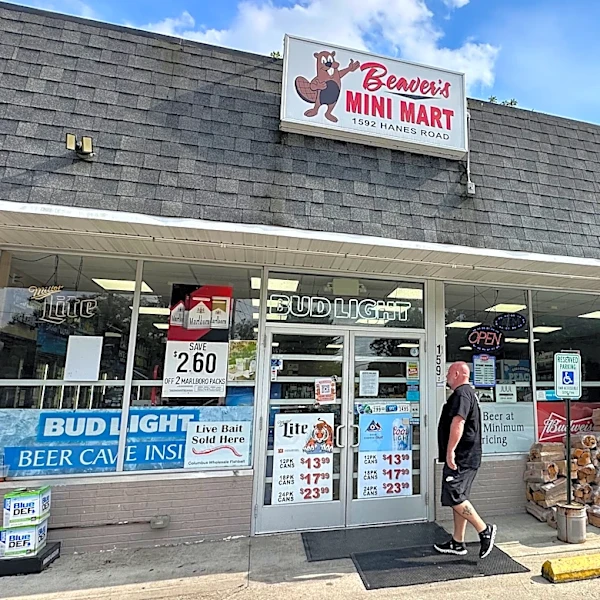
Buc-ee's, the Texas-based convenience store chain, is facing significant public outcry and a boycott in Ohio and beyond after filing a trademark infringement lawsuit against Beaver's Mini Mart in Beavercreek, Ohio. Buc-ee's alleges that the mini mart's
beaver logo too closely resembles its own buck-toothed beaver mascot. This lawsuit comes four months after Buc-ee's opened its first Ohio location near Dayton. The city of Beavercreek has responded by passing a resolution making the beaver an official part of its history, and British comedian John Oliver has also weighed in, criticizing Buc-ee's aggressive history of trademark enforcement against other businesses using animal logos. Supporters of Beaver's Mini Mart have launched a GoFundMe campaign, raising over $69,000 for legal fees, and local businesses are showing solidarity by altering their logos or selling merchandise to support the mini mart. Ohio Governor Mike DeWine has called the lawsuit 'absurd,' noting the city's name.
Why It's Important?
This dispute highlights the tension between large corporations protecting their intellectual property and small businesses operating within their local context. Buc-ee's aggressive legal strategy, while aimed at safeguarding its brand, has generated negative public relations and a significant backlash, particularly in Ohio where local sentiment strongly favors the smaller business. The situation underscores how trademark enforcement can be perceived as heavy-handed, especially when directed at businesses with local relevance, like a beaver-themed store in Beavercreek. The public's reaction, including boycotts and online campaigns, demonstrates the power of consumer sentiment and community solidarity in challenging corporate actions. This case could influence how large companies approach trademark disputes with smaller entities, particularly in new markets where local identity plays a significant role.
What's Next?
The lawsuit between Buc-ee's and Beaver's Mini Mart is proceeding in federal court in Ohio, with Buc-ee's requesting a jury trial. Beaver's Mini Mart owner, Vic Boparai, has issued a statement thanking the community for support but has not directly addressed the merits of the lawsuit or Buc-ee's claims of prior attempts to contact him. The ongoing public support for Beaver's Mini Mart, including fundraising efforts and local business solidarity, suggests continued pressure on Buc-ee's. The outcome of this legal battle could set a precedent for similar trademark disputes involving local businesses and larger corporations, potentially influencing future brand protection strategies and public relations approaches for companies expanding into new regions. The situation may also prompt further discussion on the balance between trademark rights and local business identity.
Beyond the Headlines
The controversy extends beyond a simple trademark dispute, touching upon themes of corporate power, local identity, and community resistance. Buc-ee's, known for its distinctive brand and loyal following, is now facing a challenge to its public image as a result of its legal actions. The widespread support for Beaver's Mini Mart reflects a broader sentiment against perceived corporate bullying of small businesses. This case also illustrates the role of social media and public figures, like John Oliver, in amplifying local disputes to a national audience, thereby increasing pressure on corporations. The incident could lead to a re-evaluation of how companies manage their brand protection strategies, considering the potential for significant reputational damage when legal actions are perceived as disproportionate or insensitive to local contexts. It highlights the evolving landscape where consumer perception and community values increasingly influence corporate success.