






What's Happening?
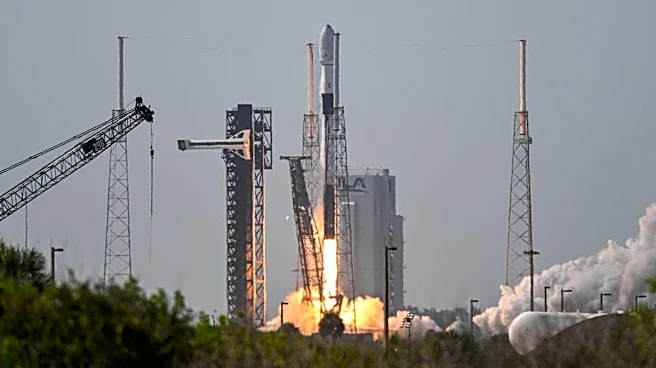
The Federal Aviation Administration (FAA) has proposed a new rule to waive certain environmental requirements for commercial space launch licenses and permits. This move aims to reduce delays in the licensing process by eliminating what the FAA describes
as 'needless delays' caused by environmental paperwork. The proposal has sparked a debate, with supporters arguing it will enhance the U.S.'s competitive edge in space, while critics, including environmentalists, express concerns about potential ecological impacts. The proposal would allow the FAA to waive requirements from 13 federal laws, including the Endangered Species Act and the Clean Water Act, for certain launches.
Why It's Important?
The proposal represents a significant shift in U.S. space policy, prioritizing the acceleration of commercial space activities over environmental considerations. This could lead to increased innovation and economic growth in the space sector, benefiting companies involved in space exploration and satellite deployment. However, it also raises concerns about the potential environmental impact of increased rocket launches, particularly on local ecosystems and communities near launch sites. The debate highlights the ongoing tension between economic development and environmental protection, with potential legal and ethical implications for future regulatory decisions.
What's Next?
The FAA's proposal will undergo a 30-day public comment period, allowing stakeholders to provide feedback. The outcome of this process will influence whether the rule is finalized. If implemented, the rule could face legal challenges from environmental groups concerned about the potential impact on ecosystems and communities near launch sites. The FAA will need to carefully consider these factors to ensure a balanced approach that supports industry growth while addressing environmental and public health concerns.