





What's Happening?
The Wuyi Kaiyuan Manting hotel in Jinhua, China, has been identified as a pet-friendly hidden gem, offering a tranquil mountain retreat for travelers with their dogs. Despite being nestled in the mountains, the hotel provides convenient access to the county
center for dining and entertainment. The establishment maintains the signature vacation-oriented style of Kaiyuan Manting, featuring a minimalist New Chinese design that promotes relaxation. Rooms are spacious and include small terraces with mountain views. The hotel is particularly noted for its pet-friendly policies, including a pet cleaning fee of CNY 300. Guests can enjoy local specialties for breakfast and participate in various DIY workshops. A significant highlight is the inclusion of tickets to Jingyuan, a pet-friendly historical site featuring 87 ancient Ming and Qing dynasty residences, where dogs are permitted to roam freely and enter the residences. The hotel also offers access to hot springs, a key feature of Wuyi, known as Zhejiang's only certified 'Hot Spring City.'
Why It's Important?
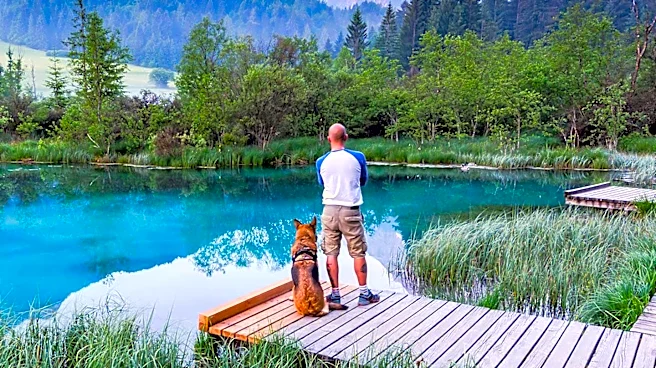
The Wuyi Kaiyuan Manting hotel's commitment to being pet-friendly signifies a growing recognition within the hospitality industry of the importance of accommodating pet owners. This trend is crucial for expanding the travel market, as many pet owners are reluctant to travel without their companions. By offering specific amenities and policies, such as a pet cleaning fee and access to pet-friendly attractions like Jingyuan, the hotel caters to a niche yet significant demographic. This approach not only enhances the travel experience for pet owners but also sets a precedent for other hotels to consider similar inclusions. The integration of pet-friendly policies with cultural and natural attractions, such as ancient residences and hot springs, creates a unique value proposition that can attract both domestic and international tourists. This model demonstrates how businesses can adapt to evolving consumer preferences, fostering loyalty and driving economic activity in local tourism sectors.
What's Next?
The success of hotels like Wuyi Kaiyuan Manting could encourage a broader adoption of pet-friendly practices across the hospitality sector in China and beyond. As more travelers seek to include their pets in vacation plans, the demand for such accommodations will likely increase. This could lead to the development of more specialized pet services within hotels, such as pet-sitting, dedicated play areas, or even pet menus. Furthermore, the positive example set by Wuyi Kaiyuan Manting might prompt local governments and tourism boards to promote and develop more pet-friendly attractions and infrastructure, creating entire destinations that cater to pet owners. This could involve creating more dog parks, pet-friendly public transport options, and clearer guidelines for pet access in historical and natural sites. The continued growth of this segment will likely lead to increased competition and innovation in pet-inclusive travel offerings.
Beyond the Headlines
The emphasis on pet-friendly travel, as exemplified by Wuyi Kaiyuan Manting, reflects a deeper cultural shift towards viewing pets as integral family members. This perspective influences consumer spending and lifestyle choices, extending to travel and leisure activities. The ability to travel with pets reduces the stress and guilt associated with leaving them behind, fostering stronger human-animal bonds. Moreover, the provision of pet-friendly historical sites like Jingyuan challenges traditional restrictions, promoting a more inclusive approach to cultural heritage. This integration of pets into various aspects of public life can lead to a more compassionate and understanding society. The hotel's blend of natural beauty, cultural immersion, and pet accommodation also highlights a holistic approach to well-being, where relaxation and enjoyment are shared experiences for all family members, including the furry ones. This trend underscores a broader movement towards personalized and inclusive travel experiences.