



What's Happening?
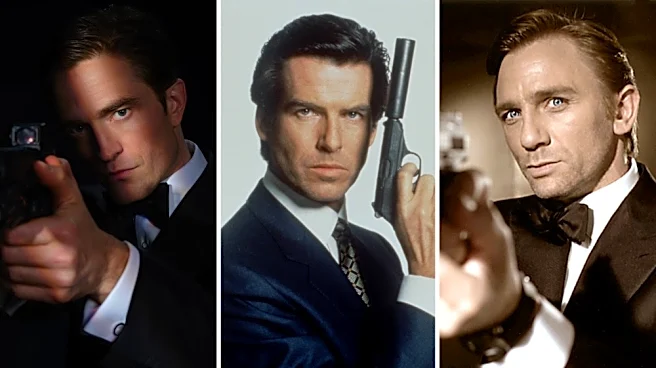
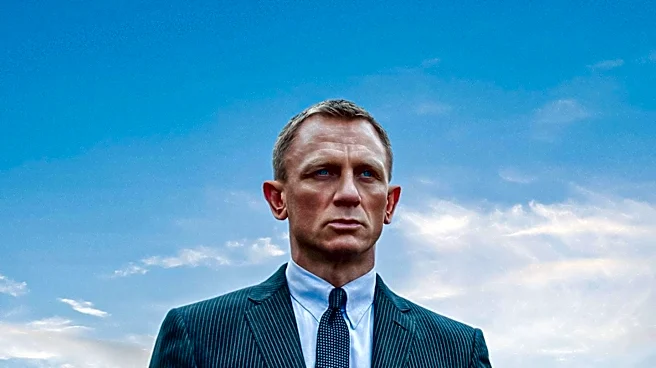
Burt Reynolds, the star of 'Deliverance,' expressed regret over his decision to turn down the role of James Bond. In a 2015 interview with USA Today, Reynolds stated that he believed the public would not accept an American actor playing the iconic British
spy. He admitted that this reasoning was a 'stupid thing to say' and that he felt he 'could've done it and I could've done it well.' This sentiment highlights a common concern among actors considered for the role, as several others, including Adam West and Clint Eastwood, also declined due to the belief that James Bond should be British. The role ultimately went to a British actor, maintaining the character's national identity as perceived by many at the time.
Why It's Important?
Burt Reynolds' regret over declining the James Bond role underscores the significant impact of perceived national identity in casting iconic characters within the entertainment industry. His belief that an American Bond would not be accepted by the public reflects a historical understanding of character authenticity that has influenced major franchise decisions. This decision, and similar ones by other prominent actors, shaped the trajectory of the James Bond series, reinforcing its British essence for decades. For the film industry, it highlights the delicate balance between star power and character integrity, and how audience expectations regarding national origin can dictate casting choices for globally recognized roles. It also reveals the personal cost of such decisions for actors, who may later reflect on missed opportunities that could have significantly altered their careers and public perception. The enduring debate over Bond's nationality continues to be a point of discussion among fans and industry professionals, demonstrating the lasting importance of these early casting choices.
What's Next?
While Burt Reynolds' opportunity to play James Bond is long past, his reflection on the decision contributes to the ongoing discourse about the character's future and casting choices. The discussion around Bond's nationality continues to evolve, with recent casting decisions and rumors often challenging traditional perceptions. Future iterations of the James Bond franchise may increasingly consider a more diverse range of actors, potentially moving beyond strict national identity requirements. Reynolds' candid admission serves as a historical marker, illustrating a past era's casting considerations that may now be viewed differently. This historical context could inform future producers and directors as they navigate audience expectations and the desire for fresh interpretations of classic characters, potentially opening doors for actors who might have been overlooked in previous eras due to similar concerns about nationality or background.
Beyond the Headlines
Burt Reynolds' decision to decline the James Bond role due to concerns about an American playing a British character touches upon broader themes of cultural representation and national identity in global media. It reflects a period when national origins were often seen as intrinsic to a character's essence, influencing audience acceptance and commercial success. This perspective can be seen as a form of cultural gatekeeping, where certain roles are implicitly reserved for actors of specific nationalities. The regret expressed by Reynolds, years later, suggests a potential shift in his own understanding or a recognition of evolving audience perceptions. This historical anecdote prompts reflection on how such cultural boundaries in casting have changed over time and whether contemporary audiences are more open to diverse interpretations of iconic characters, regardless of an actor's nationality. It also highlights the subtle ways in which national pride and cultural expectations can shape artistic choices and career paths within the entertainment industry.