



What's Happening?
Amy Odell, author of 'Anna: The Biography' and creator of the Back Row newsletter and podcast, joined Kate Casey to discuss the evolution of fashion within the 'Real Housewives' franchise. Their conversation covered the shift from early Orange County's
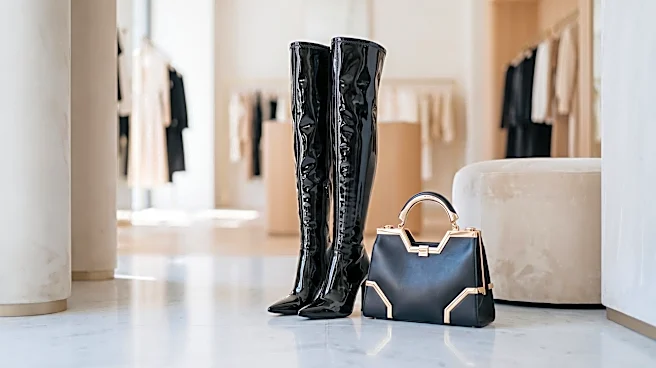
tube tops to the current art-directed reunion looks. They also explored Anna Wintour's potential approval of a Housewife's style, Jennifer Tilly's closet, and specific high-fashion items like Chanel's thigh-high wader boots and $2,000 heel-only sandals. Erika Jayne's reported $40,000-a-month glam budget was also a topic. Odell explained the Hermès game, the concept of a Birkin 'superfake,' and why some stylists remove logos from clients' zippers. Casey shared her theory about Bravo reaching peak hair and lash extensions. The discussion further touched upon Rachel Zoe's appreciation for vintage fashion on 'Beverly Hills,' Christine Quinn and 'Selling Sunset,' the potential decline of the Kardashian aesthetic, and Kim Kardashian's possible gubernatorial run. Odell also recommended underrated brands. Towards the end of the episode, Tinx joined Casey to analyze the current season of 'The Circle' on Hulu, a social media competition where contestants can either be themselves or 'catfish' others for a cash prize.
Why It's Important?
This discussion highlights the significant cultural and economic impact of reality television, particularly shows like 'Real Housewives,' on fashion trends, consumer behavior, and the broader entertainment industry. The detailed analysis of fashion choices, from designer brands to 'superfakes,' underscores the aspirational influence these shows have on viewers and the luxury market. The mention of Erika Jayne's substantial glam budget illustrates the financial investment involved in maintaining a public image within this sphere, reflecting a segment of the U.S. economy driven by celebrity and lifestyle branding. Furthermore, the conversation about the Kardashian aesthetic's potential decline and Kim Kardashian's political aspirations points to the evolving nature of celebrity influence and its intersection with public life and consumer trends in the United States. The inclusion of 'The Circle' discussion also emphasizes the growing prominence of social media-centric reality competitions and their role in shaping contemporary entertainment consumption and digital identity.
What's Next?
The ongoing evolution of fashion trends within reality television is likely to continue, with shows like 'Real Housewives' adapting to new styles and consumer preferences. Viewers can anticipate further discussions and analyses of celebrity fashion, particularly as new seasons of popular reality shows air. The influence of social media on reality competitions, as exemplified by 'The Circle,' suggests a continued trend towards interactive and digitally-driven entertainment formats. As public figures like Kim Kardashian explore political avenues, the intersection of celebrity, fashion, and politics will remain a relevant topic of discussion, potentially influencing public discourse and voter engagement. The fashion industry will likely continue to monitor and respond to the trends set by these influential figures and shows, impacting design, marketing, and retail strategies in the U.S. market.
Beyond the Headlines
The conversation delves into deeper implications regarding authenticity and perception in the age of reality television and social media. The discussion of 'superfakes' and stylists removing logos from luxury items raises questions about the value placed on brand identity versus personal style and the ethical considerations within the high-fashion market. The analysis of 'art-directed' reunion looks on 'Real Housewives' suggests a blurring of lines between reality and curated performance, prompting reflection on how much of what is presented as 'real' on television is, in fact, meticulously constructed. This also touches upon the psychological impact of aspirational lifestyles portrayed on screen, potentially influencing consumer desires and societal beauty standards. The mention of 'catfishing' on 'The Circle' highlights the complexities of identity and deception in digital interactions, reflecting broader societal concerns about online authenticity and trust in the U.S. and globally.