



What's Happening?
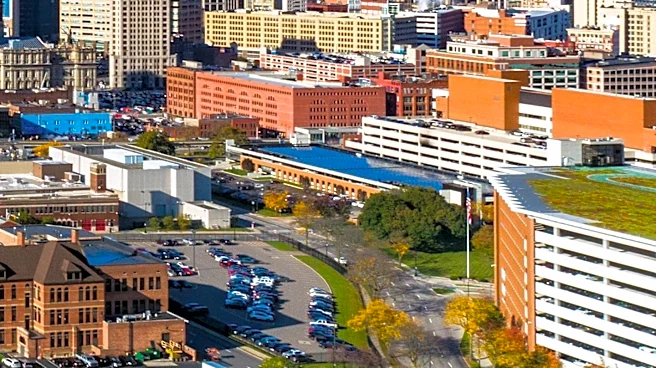
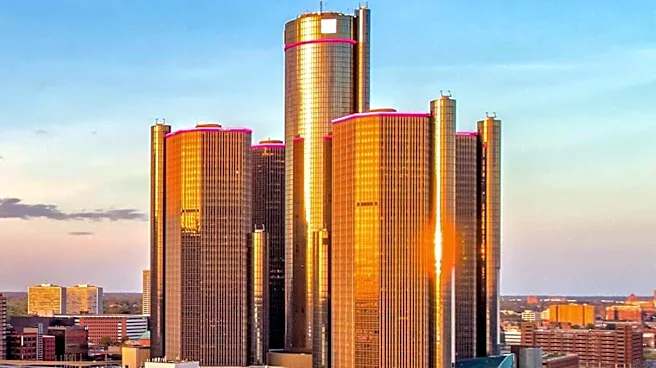
Billionaire entrepreneur Dan Gilbert has committed $1 billion to establish a new nonprofit organization. This nonprofit will spearhead the redevelopment of downtown Detroit’s Renaissance Center and its adjacent 35-acre riverfront district. Gilbert, who
is the founder and chair of Rocket Cos. and Bedrock, aims to transform the area into a mixed-use destination. The proposed $2.2 billion project, as reported by Click on Detroit, will feature retail spaces, entertainment venues, affordable housing units, and public areas. The new nonprofit will be responsible for both owning and operating this redeveloped destination. This initiative represents a significant private investment in Detroit's urban landscape, focusing on revitalizing a key downtown area.
Why It's Important?
This substantial investment by Dan Gilbert holds significant importance for Detroit's urban development and economic future. The proposed $2.2 billion project, with $1 billion pledged by Gilbert, is expected to create a vibrant mixed-use destination, potentially attracting new businesses, residents, and tourists to the city. The inclusion of affordable housing is a critical component, addressing a persistent need within urban revitalization efforts. This development could serve as a catalyst for further investment in Detroit, enhancing its appeal as a place to live, work, and visit. The project's success could also influence future public-private partnerships in urban renewal across the U.S., demonstrating a model for large-scale redevelopment driven by private capital and philanthropic commitment.
What's Next?
The next steps for the Renaissance Center redevelopment involve the formal establishment of the new nonprofit and the commencement of the project's various phases. While a 2025 rendering offers a vision for the redevelopment, detailed planning and regulatory approvals will be crucial. The project's timeline and specific milestones will likely be announced as the nonprofit takes shape and begins its operations. Stakeholders, including Detroit residents, local businesses, and city officials, will closely monitor the progress, particularly regarding the implementation of affordable housing and public spaces. The project's long-term success will depend on its ability to integrate seamlessly into the existing urban fabric and deliver on its promise of a revitalized riverfront district.
Beyond the Headlines
Beyond the immediate economic and urban development implications, Dan Gilbert's pledge raises broader discussions about the role of private philanthropy in shaping public spaces and addressing societal needs. While the project promises significant benefits, some Detroit residents have expressed a preference for public ownership of such developments and a greater focus on city-wide housing investments rather than solely downtown revitalization. This highlights an ongoing tension in urban development between private-led initiatives and community-driven priorities. The project's execution will need to navigate these concerns, ensuring that the benefits are broadly distributed and that community input is genuinely incorporated. The long-term impact will be measured not just by economic metrics but also by its contribution to social equity and community well-being in Detroit.