


What's Happening?
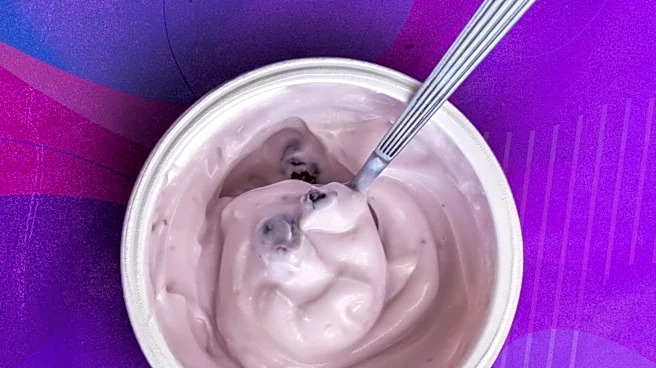
Frozen yogurt (froyo) shops in Massachusetts, such as BerryLine in Cambridge and Yogurt Beach in Newton, are experiencing a notable resurgence in popularity. Despite a decline in the number of dedicated froyo shops since a boom a decade ago, remaining
establishments are seeing increased customer traffic. BerryLine, one of the region's first froyo shops, often has lines stretching down the block, with owner Matt Wallace attributing some of this to viral TikTok activity. Similarly, Tom Enselek, owner of Yogurt Beach, reports beating sales numbers every year since the challenges of COVID, with customers traveling from various towns to visit. Patrons cite the tart flavor, the perception of froyo as a healthier alternative to ice cream, the wide array of topping combinations, and its visual appeal for social media as key reasons for its renewed appeal.
Why It's Important?
This resurgence in frozen yogurt popularity in Massachusetts reflects broader consumer trends in the food and beverage industry, particularly a demand for customizable, visually appealing, and perceived healthier dessert options. The influence of social media, specifically platforms like TikTok, on consumer behavior is evident, as viral content can significantly drive traffic to businesses. For local businesses like BerryLine and Yogurt Beach, this trend provides a boost in revenue and customer engagement, demonstrating resilience in a competitive market. It also highlights how food preferences can evolve and cycle, with older trends finding new life through modern marketing and changing consumer values. The success of these shops indicates a potential shift in the dessert landscape, where experiential and personalized offerings are gaining traction.
What's Next?
The continued success of these frozen yogurt shops could encourage other entrepreneurs to re-enter the market or existing businesses to expand their froyo offerings. We might see more innovation in flavors, toppings, and presentation to cater to the social media-driven demand. The trend could also prompt larger food chains to re-evaluate their dessert menus, potentially incorporating more froyo options. However, the long-term sustainability of this resurgence will depend on maintaining customer interest, adapting to evolving tastes, and effectively leveraging digital platforms for marketing. Local businesses will need to continue differentiating themselves through unique offerings and strong community engagement to sustain this renewed popularity.
Beyond the Headlines
The comeback of frozen yogurt goes beyond mere culinary preference; it touches upon cultural and psychological aspects of consumption. The emphasis on customization and visual appeal taps into a desire for personalization and shareable experiences, aligning with contemporary lifestyle trends. The perception of froyo as a 'healthier' option, even if marginally, reflects a broader societal shift towards wellness and conscious eating, where consumers seek indulgence without excessive guilt. This trend also underscores the power of nostalgia, as froyo was popular in the past, and its return might evoke positive memories for some consumers while attracting new ones through its updated appeal. It's a micro-example of how consumer markets are constantly shaped by a complex interplay of health consciousness, social influence, and the pursuit of unique experiences.