





What's Happening?
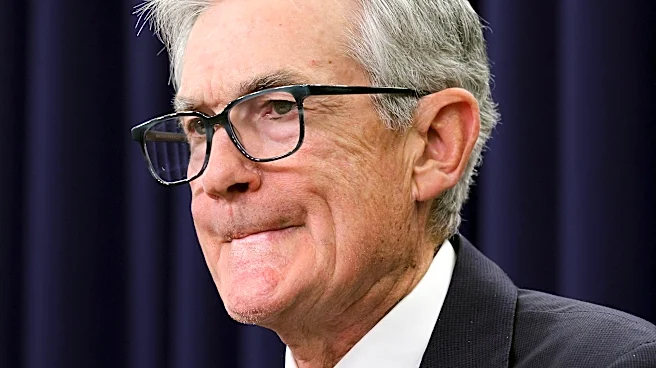
Boston Fed President Susan Collins has expressed caution regarding inflation risks and economic uncertainties, advocating for a gradual tightening path for monetary policy. This statement comes as Australian shares experienced a decline, mirroring losses
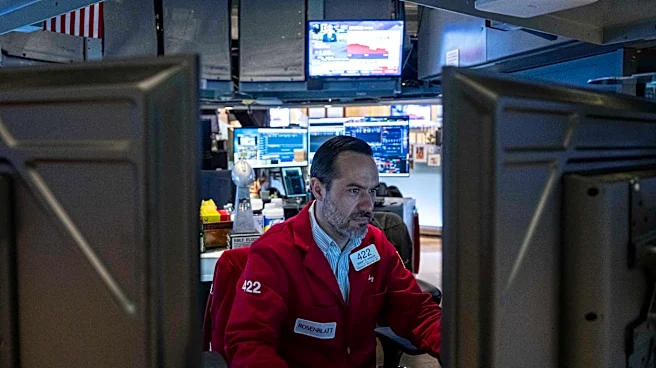
in global markets. Investor sentiment has been affected by a significant weekly drop in gold prices and ongoing concerns about US inflation, alongside the potential for further interest rate hikes by the US Federal Reserve. On November 13, the S&P 500 and Nasdaq Composite saw decreases of 0.4% and 0.9% respectively, while the Dow Jones Industrial Average recorded a slight gain of 0.1%. The broader macroeconomic landscape is also anticipating the release of minutes from the Reserve Bank of Australia's November monetary policy board meeting.
Why It's Important?
President Collins's remarks underscore the persistent inflationary pressures and economic uncertainties facing the U.S. economy, which directly influence the Federal Reserve's monetary policy decisions. A gradual tightening path, as suggested, indicates a cautious approach to interest rate adjustments, aiming to curb inflation without stifling economic growth. This stance is critical for financial markets globally, as evidenced by the reaction in Australian shares. Continued concerns about US inflation and potential rate hikes can lead to increased volatility in international markets, impacting investment strategies and capital flows. For U.S. consumers and businesses, the Federal Reserve's actions directly affect borrowing costs, investment decisions, and overall economic stability. The interconnectedness of global financial markets means that the Fed's policy direction has far-reaching implications beyond U.S. borders, influencing everything from commodity prices to currency valuations.
What's Next?
Investors will closely monitor upcoming economic data releases and statements from Federal Reserve officials for further indications of monetary policy direction. The release of the minutes from the Reserve Bank of Australia's November monetary policy board meeting will also provide insights into global central bank thinking, potentially influencing market sentiment. Any shifts in inflation data or employment figures in the U.S. could prompt the Federal Reserve to adjust its tightening pace, leading to corresponding reactions in financial markets. Businesses and consumers should prepare for continued economic uncertainty and potential adjustments in interest rates, which could impact lending, investment, and spending patterns. The focus will remain on how central banks balance controlling inflation with supporting economic stability.
Beyond the Headlines
The ongoing debate within the Federal Reserve regarding the optimal pace of monetary tightening highlights a fundamental challenge in economic policy: managing inflation without triggering a recession. The 'gradual tightening path' suggested by President Collins reflects a delicate balancing act, acknowledging the risks of both under- and over-tightening. This approach also signals a potential shift towards a more data-dependent policy, where each decision is carefully weighed against incoming economic indicators. The global market's sensitivity to these pronouncements underscores the U.S. dollar's role as a reserve currency and the U.S. economy's influence on international trade and finance. Furthermore, the discussion around inflation and interest rates often brings to light broader societal impacts, such as the cost of living for average citizens and the profitability of various industries, making these policy decisions deeply consequential.