





What's Happening?
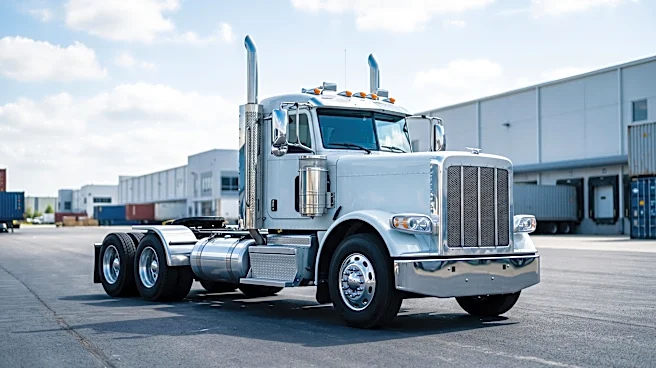
CSM Truck, through its Premier Leasing & Rental division, is providing a detailed comparison of the costs, pros, and cons associated with leasing versus buying semi-trucks for commercial fleets. The analysis highlights that the choice between leasing and buying depends
on factors such as fleet size, annual mileage, cash flow, in-house maintenance capabilities, and how often trucks are replaced. The company outlines four main options: full-service lease, purchase, rental, and lease-to-own, each with distinct implications for upfront costs, monthly payments, maintenance responsibilities, and depreciation. A full-service lease, for instance, typically involves lower upfront costs and predictable monthly payments that can include maintenance, while purchasing requires a larger initial investment but offers asset ownership and potential resale value.
Why It's Important?
This comparison is crucial for U.S. commercial fleet operators, as the decision to lease or buy semi-trucks significantly impacts their financial health and operational efficiency. The total cost of ownership (TCO), rather than just monthly payments, is emphasized as the key metric, encompassing maintenance, downtime, and resale risk. For businesses prioritizing predictable costs and uptime, leasing can be more advantageous by shifting maintenance responsibilities and depreciation risk to the lessor. Conversely, companies with strong capital, in-house maintenance capabilities, and a desire for long-term asset ownership might find purchasing more suitable. Understanding these nuances helps businesses make informed decisions that align with their operational models, preserve working capital, and ensure fleet reliability, directly affecting their profitability and ability to meet delivery schedules.
What's Next?
CSM Truck and Premier Leasing & Rental will continue to offer tailored solutions and advice to commercial fleet operators, helping them evaluate the best option for their specific needs. This involves providing detailed quotes that compare the total costs of leasing versus buying, considering factors like truck specifications, routes, and budget. The company will likely emphasize the benefits of full-service leasing, which can include scheduled preventive maintenance, roadside support, and even substitute vehicles, particularly for fleets that prioritize uptime and predictable operating expenses. For those considering ownership, CSM Financial can assist in structuring purchase financing. The ongoing goal is to match the right equipment acquisition strategy—whether leasing, buying, renting, or lease-to-own—to each fleet's unique operational and financial requirements.
Beyond the Headlines
The detailed analysis of truck leasing versus buying by CSM Truck reflects broader economic and operational considerations within the U.S. logistics and transportation sectors. The emphasis on 'total cost of ownership' highlights a sophisticated approach to asset management, where businesses look beyond initial price tags to evaluate long-term financial implications. This trend is driven by factors such as fluctuating fuel prices, increasing maintenance costs, and the need for fleet modernization to meet environmental regulations and technological advancements. The availability of various financing and usage options—lease, buy, rent, lease-to-own—indicates a flexible market designed to cater to diverse business models, from large corporations to independent owner-operators. This flexibility is essential for maintaining a resilient supply chain and adapting to economic shifts, underscoring the strategic importance of fleet acquisition decisions in the national economy.