



What's Happening?
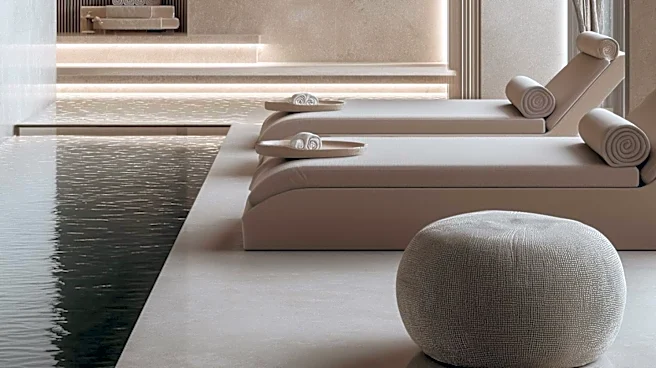
Black Door Chelsea, a wellness brand, has established a new urban retreat in London, blending luxury with urban design and offering advanced treatments alongside holistic health services. This facility is described as a sanctuary that integrates design,
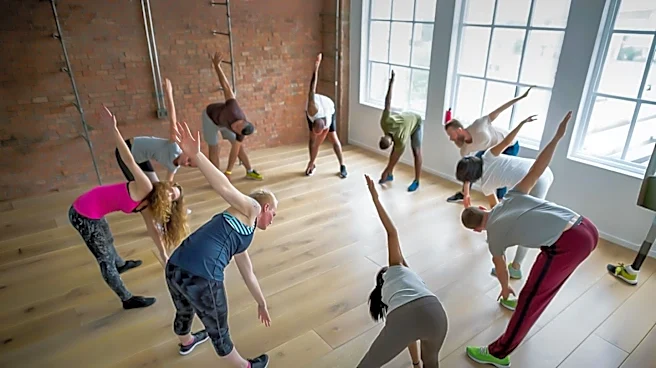
science, and holistic health, moving beyond traditional fitness studios. It provides cutting-edge modalities such as cryotherapy, cryo-massage, and cold skin therapy, which are clinically proven to reduce inflammation and accelerate muscle recovery. The space itself combines industrial elegance with serene, medicine-cabinet-inspired aesthetics, featuring exposed brick walls, mirrored surfaces, and sculptural lighting. The brand emphasizes a hybrid approach to holistic health, incorporating evidence-based practices with indigenous healing traditions, alongside mindfulness workshops, nutritional counseling, and adaptive fitness classes. The facility also includes a signature Recovery Lab, utilizing sound therapy, aromatherapy, and biofeedback devices to reset the nervous system. An elite team of practitioners, including certified yogis, sports physiotherapists, and cryotherapy specialists, many with Olympic-level experience, ensures personalized and technically precise sessions. The studio also prioritizes rigorous fabrication standards, including air purification systems and biophilic design elements.
Why It's Important?
This development signifies a growing trend in the wellness industry towards more integrated and luxurious urban retreats, moving beyond basic gym memberships and detox trends. The emphasis on combining cutting-edge scientific treatments with holistic health practices reflects an evolving consumer demand for comprehensive well-being solutions. For the U.S. market, this model could influence the development of similar high-end wellness centers in major cities, catering to a clientele seeking advanced recovery, stress reduction, and long-term health benefits. The integration of diverse expertise, from sports physiotherapists to mind-body coaches, highlights a shift towards personalized and specialized wellness programs. Furthermore, the focus on architectural design and sensory integration within the facility suggests that the ambiance and overall experience are becoming as crucial as the treatments themselves, potentially setting new standards for urban wellness spaces globally. The brand's commitment to accessibility through flexible pricing and community programs, despite its luxurious setting, also indicates a potential future direction for the industry to broaden its reach while maintaining high standards.
What's Next?
The success of Black Door Chelsea's model in London could serve as a blueprint for future urban wellness sanctuaries, potentially leading to the expansion of similar integrated luxury wellness centers in major U.S. cities. As consumer awareness of holistic health and advanced recovery methods grows, there may be increased investment in facilities that combine scientific treatments with mindful practices. The emphasis on personalized experiences and a diverse team of specialists suggests a future where wellness services are highly tailored to individual needs, moving away from one-size-fits-all approaches. Additionally, the focus on sustainable operations and community engagement within a luxury setting could become a benchmark for new wellness brands, encouraging a more socially responsible approach to high-end services. The continued evolution of wellness beyond traditional offerings is likely to drive innovation in facility design, technology integration, and service delivery, with Black Door Chelsea representing a leading example of this transformation.
Beyond the Headlines
The emergence of Black Door Chelsea reflects a broader cultural shift towards prioritizing well-being as an integral part of urban living, rather than a separate activity. This development highlights the increasing demand for spaces that offer a respite from the stresses of city life, providing not just physical recovery but also mental and emotional restoration. The blend of industrial aesthetics with natural sophistication in the design speaks to a desire for environments that are both modern and calming. Ethically, the brand's commitment to accessibility through flexible pricing and community programs, despite its luxury positioning, raises questions about how high-end wellness can be made more inclusive. This model could challenge the perception that comprehensive wellness is exclusively for the elite, potentially inspiring other luxury brands to incorporate social responsibility into their business practices. Long-term, such integrated urban sanctuaries could become vital pillars of holistic city living, influencing urban planning and design to incorporate more wellness-focused infrastructure.