





What's Happening?
Weird Al Yankovic has declined a commercial offer after discovering it involved an AI product. Initially, Yankovic agreed to participate in the commercial, believing it was for productivity-focused business software. However, upon learning the true nature
of the product, he withdrew from the project a week before the scheduled shoot. Yankovic expressed discomfort with being associated with AI, stating, 'I can't be the poster boy for AI.' This decision aligns with a broader trend of performers pushing back against generative AI, as seen with other celebrities like Scarlett Johansson and Joseph Gordon-Levitt. The Screen Actors Guild - American Federation of Television and Radio Artists (SAG-AFTRA) has also been vocal about the issue, supporting the NO FAKES Act, which aims to give performers control over the unauthorized use of their voice and likeness.
Why It's Important?
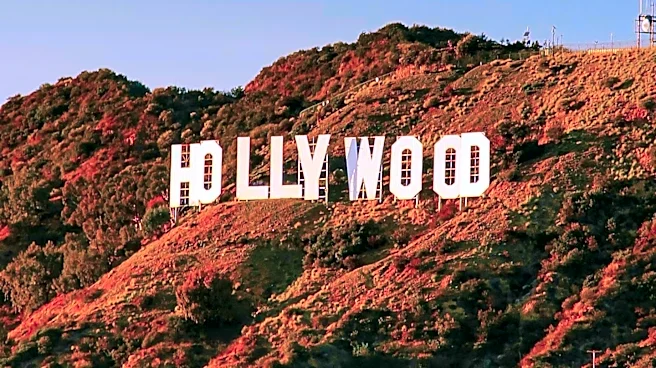
Yankovic's decision highlights the growing divide in Hollywood regarding AI's role in the entertainment industry. While some celebrities embrace AI tools, others are wary of the implications for their image and rights. This split reflects broader societal concerns about AI's impact on creative industries and personal rights. The NO FAKES Act, supported by SAG-AFTRA and other organizations, underscores the demand for legal frameworks to protect performers from unauthorized AI-generated content. This development could influence how AI is integrated into advertising and media, potentially leading to stricter regulations and consent requirements. Advertisers and AI developers may need to navigate these concerns carefully to avoid reputational damage and legal challenges.
What's Next?
The future of AI in entertainment will likely involve ongoing debates and potential legislative actions. The NO FAKES Act's progress will be closely watched, as it could set a precedent for how AI-generated content is regulated. Performers may continue to publicly reject AI-related projects, influencing industry standards and consumer perceptions. Advertisers might increasingly require documented consent from talent before proceeding with AI-adjacent campaigns. This situation could lead to the development of new tools and protocols for tracking consent and ensuring compliance with emerging legal standards.