






What's Happening?
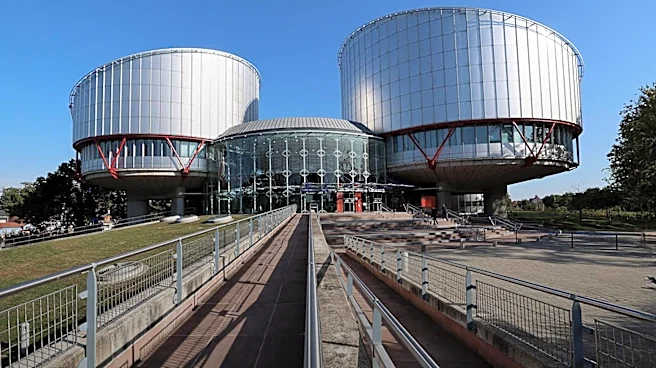
The European Union's highest court has issued a ruling clarifying when a short social media post can be protected by copyright and under what conditions newspapers may reproduce such posts when reporting current events. The judgment, stemming from a Romanian
dispute where an online newspaper fully reproduced a teacher's 22-line Facebook post without prior permission, states that the length, platform, or genre of a text does not determine copyright protection. Instead, the key test is whether the post reflects the author's own intellectual creation, expressing personal choices. While a concise, informal social media post can meet this standard, purely factual sentences or conventional wording may not. The court also addressed the exception for reporting current events, allowing the use of protected work if justified by the informatory purpose and, if possible, with attribution to the source and author. However, full reproduction is only permissible if necessary to inform readers, not merely for convenience.
Why It's Important?
This ruling has significant implications for digital media, journalism, and intellectual property rights, particularly in the U.S., where similar issues regarding content ownership and fair use on social media platforms are constantly debated. The decision underscores the growing legal recognition of user-generated content on social media as potentially copyrightable material, challenging the assumption that public visibility equates to unrestricted republication. For U.S. news organizations and content creators, this could influence best practices for citing and reproducing social media content, potentially leading to more cautious approaches to avoid copyright infringement. It highlights the need for clear guidelines on what constitutes 'fair use' or 'necessary reproduction' in the context of rapidly evolving digital news cycles. The ruling also emphasizes the importance of attribution, a principle that aligns with journalistic ethics but can be challenging to consistently apply in the fast-paced environment of online news. This could prompt U.S. legal and media professionals to re-evaluate existing policies and potentially advocate for clearer domestic legislation or industry standards regarding social media content use.
What's Next?
The immediate next step involves national courts, such as the Romanian court in the original dispute, applying the EU court's legal test to specific cases. For newsrooms and content creators, this ruling necessitates a review of their policies regarding the use of social media content. Editors will likely need to implement stricter protocols for preserving evidence of original posts, ensuring proper attribution, and carefully assessing the necessity of full reproduction versus shorter extracts or links. This could lead to increased demand for tools and practices that facilitate transparent and compliant content sharing. Furthermore, the ruling may spark broader discussions within the legal and media industries about the evolving nature of copyright in the digital age, especially concerning user-generated content and artificial intelligence's role in content aggregation. It could also influence future legislative efforts in the U.S. and other countries to adapt copyright law to the realities of social media and online news dissemination.
Beyond the Headlines
This judgment delves into the fundamental tension between the free flow of information in the digital age and the protection of intellectual property rights. It challenges the notion that content shared on public platforms automatically forfeits its copyright, thereby empowering individual creators, even those with short, informal posts. The ruling also highlights the ethical responsibilities of news organizations to respect original authorship while fulfilling their role in informing the public. In an era where social media often breaks news and shapes public discourse, defining the boundaries of fair use becomes crucial for maintaining a healthy information ecosystem. This case could contribute to a broader re-evaluation of how digital platforms themselves manage content rights, potentially influencing their terms of service and content moderation policies. Ultimately, it underscores the ongoing struggle to adapt traditional legal frameworks to the dynamic and often unpredictable landscape of online communication, with implications for creativity, journalism, and the very concept of ownership in the digital realm.