


What's Happening?
Nostalgic wallpaper trends from the 1990s, including pastel florals, classic stripes, and cottage-inspired patterns, are experiencing a significant resurgence in home interior design. According to Hannah Reach, brand manager for WallPops, there's an increased
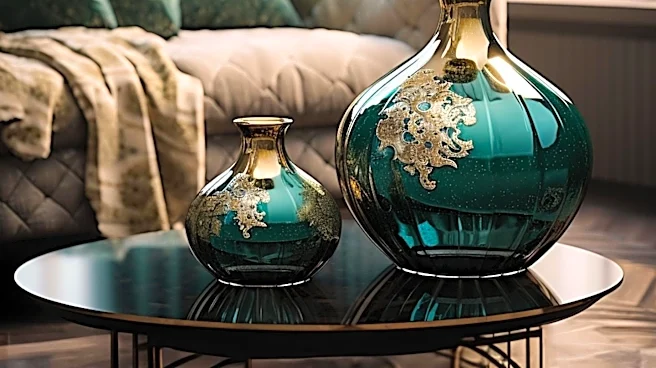
demand for these patterns, which evoke a sense of '90s charm. Amanda Both, design director at Tempaper & Co., notes that while some styles like shabby chic florals are returning with modern twists, even traditional pastel versions are making a comeback, often paired with contemporary furnishings. Interior designer Vamsha Shetty of Saffron Interiors highlights the return of wallpaper borders, but in a more refined manner, featuring subtle, monochromatic designs used as accents rather than the kitschy styles of the past. Additionally, bold metallics, such as gold and silver accents, are being incorporated into wallpapers with texture and restraint, moving away from the more overtly glamorous '90s aesthetic. Graphic geometrics, influenced by the '80s Memphis style, are also reappearing in neutral color palettes like checkerboard patterns and stripes, offering a fresh yet nostalgic look. Moody jewel tones in shades like sapphire, emerald, and plum are also gaining popularity for creating dramatic and cozy spaces.
Why It's Important?
The re-emergence of 1990s wallpaper trends signifies a broader shift in consumer preferences towards nostalgia and comfort in home decor. This trend impacts the interior design industry by driving demand for specific patterns and materials, influencing manufacturers and retailers to adapt their product lines. For consumers, it offers an opportunity to infuse their living spaces with a sense of familiarity and warmth, potentially leading to increased home renovation and redecoration projects. The emphasis on 'refined' metallics and 'modern twists' on classic patterns suggests a desire for updated interpretations of past styles, indicating that designers and brands must balance historical inspiration with contemporary aesthetics. The return of wallpaper borders, albeit in a more subtle form, could also revive a segment of the market that had largely been considered outdated. This trend reflects how cultural memory and personal experiences, such as growing up with '90s aesthetics, continue to shape current market demands and design choices, affecting both the supply chain and consumer spending in the home goods sector.
What's Next?
The continued evolution of these '90s wallpaper trends is expected to see further integration of modern elements with nostalgic designs. Interior designers like Vamsha Shetty are already experimenting with bold metallics in powder rooms, combining gold foil details with brass fixtures, suggesting a future where these trends are applied in specific, impactful ways. The use of contemporary color palettes for graphic geometrics, as noted by Amanda Both, indicates that designers will continue to update these patterns to feel fresh rather than dated. Consumers can anticipate a wider availability of peel-and-stick wallpapers that mimic these trends, offering easier application and versatility for those looking to experiment without permanent commitment. The trend towards subtle, monochromatic wallpaper borders suggests that manufacturers will focus on sophisticated designs that complement rather than dominate a space. As these trends gain traction, there may be an increase in collaborations between wallpaper brands and interior designers to create curated collections that blend '90s inspiration with current design sensibilities, further solidifying their presence in the market.
Beyond the Headlines
The resurgence of '90s wallpaper trends extends beyond mere aesthetics, touching upon deeper cultural and psychological aspects of home and comfort. This return to familiar patterns can be seen as a response to a desire for stability and comfort in an increasingly complex world, with nostalgic elements providing a sense of security and warmth. The emphasis on 'cozy' spaces and 'charming' designs reflects a broader societal yearning for simpler times and a retreat into personal sanctuaries. Ethically, this trend encourages sustainable practices if manufacturers opt for eco-friendly materials and production methods to meet the renewed demand. Culturally, it highlights the cyclical nature of fashion and design, where elements from past decades are reinterpreted and given new life, demonstrating how historical influences continuously shape contemporary tastes. The subtle reintroduction of elements like wallpaper borders, once considered passé, also challenges conventional notions of 'good' taste, suggesting a more fluid and inclusive approach to interior design where personal connection to a style can outweigh fleeting trends.