


What's Happening?
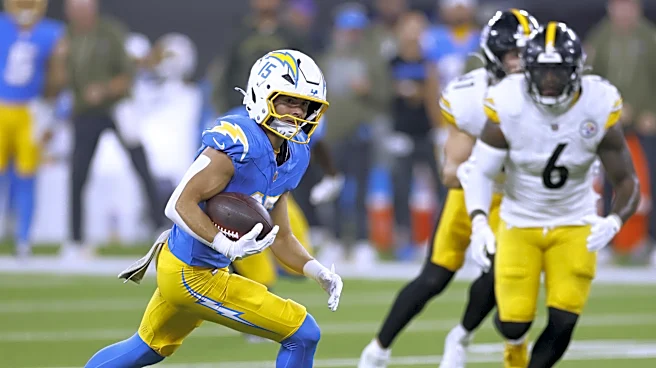
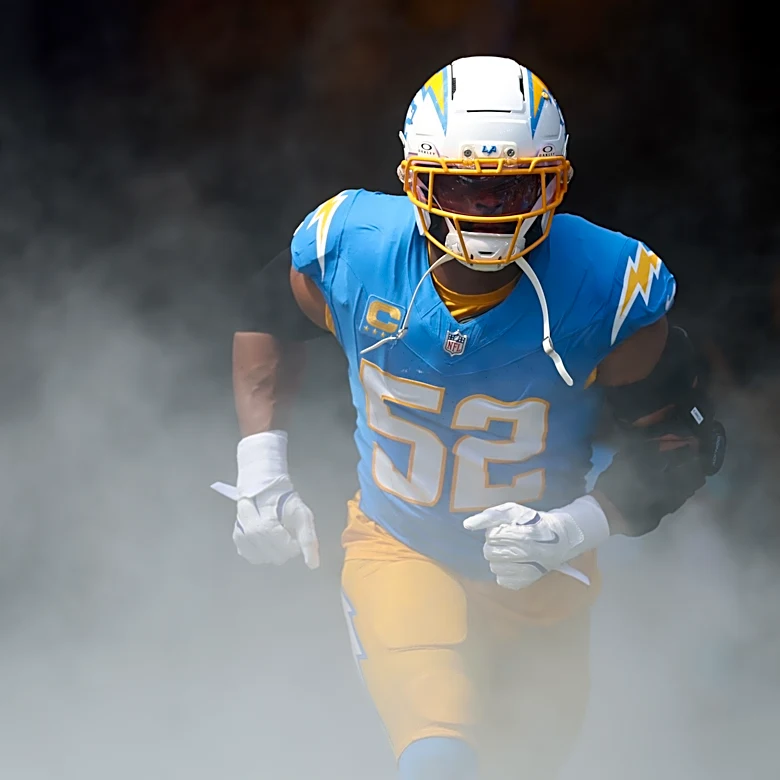
The National Football League (NFL) has seen substantial shifts in its power rankings as the season reaches its halfway point, with all 32 teams re-evaluated based on offensive production, defensive performance, and average scoring margins. The Los Angeles
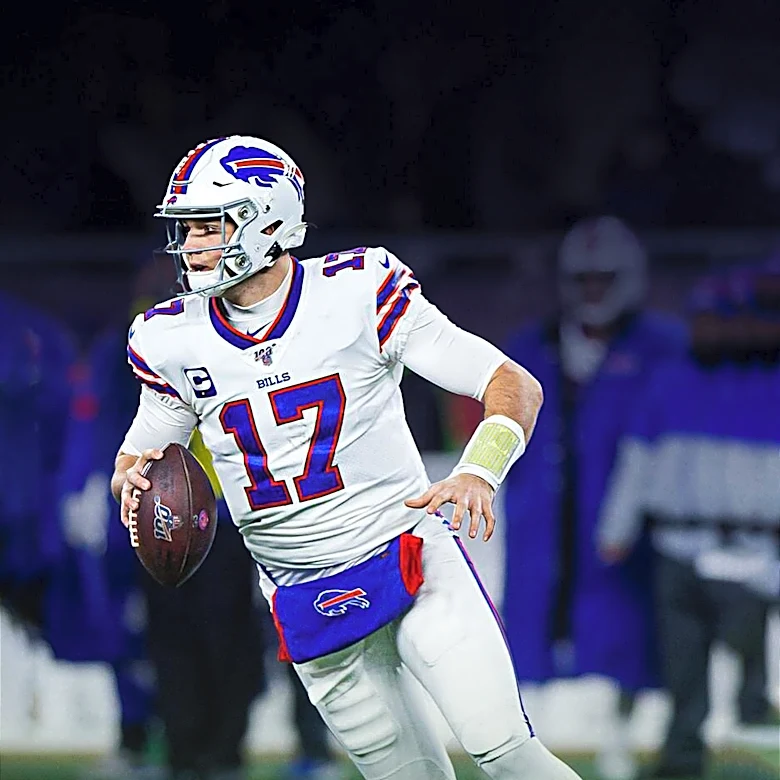
Chargers have experienced the most dramatic decline, falling 24 spots to the 32nd position, largely due to their league-worst average of 15.1 points per game and a regressed defense. Conversely, the Pittsburgh Steelers have made the most significant climb, ascending 15 spots, attributed to their defense rebounding to become the fourth-ranked scoring defense, allowing just 18.0 points per game. Other notable movements include the Philadelphia Eagles and New England Patriots dropping over 10 spots, while the Chicago Bears and Minnesota Vikings have each climbed more than 10 spots. The San Francisco 49ers currently hold the top spot, demonstrating dominance on both offense and defense, followed by the Buffalo Bills, who lead the league in scoring with 32.0 points per game.
Why It's Important?
These power ranking shifts are important as they reflect the current competitive landscape of the NFL, influencing public perception, betting markets, and potentially team strategies. For teams like the Chargers, their significant drop highlights critical operational failures, which could lead to coaching changes or roster adjustments to address underperformance. The Steelers' ascent, driven by defensive improvements, showcases how a strong unit can elevate a team's standing and playoff prospects. These rankings also impact fan engagement and media narratives, shaping expectations for upcoming games and the postseason. Teams with high rankings, such as the 49ers and Bills, are seen as strong contenders, which can boost merchandise sales and viewership, while struggling teams face increased scrutiny and pressure to perform. The performance metrics used for these rankings, like points per game and defensive efficiency, are key indicators of a team's overall health and potential for sustained success.
What's Next?
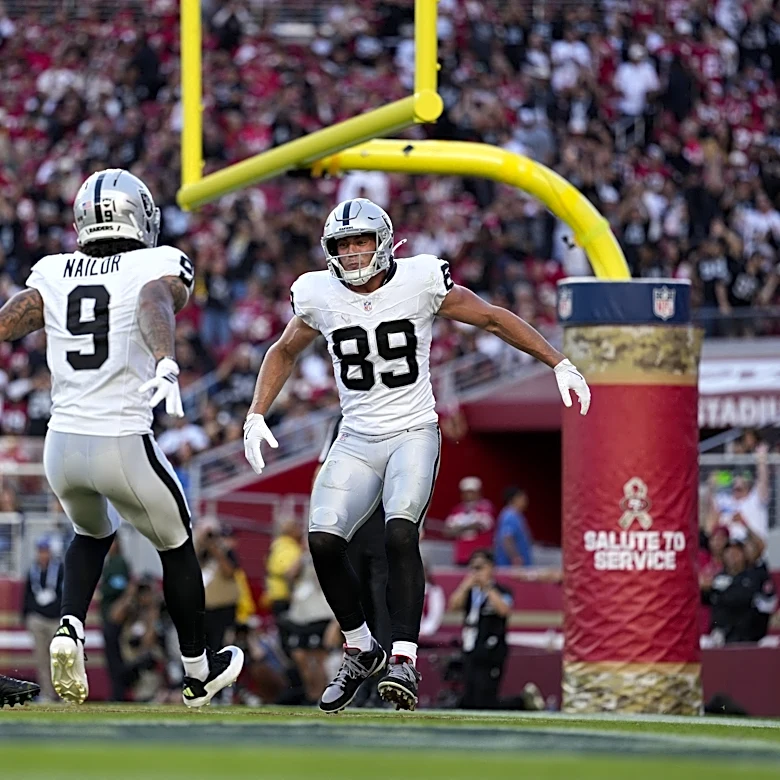
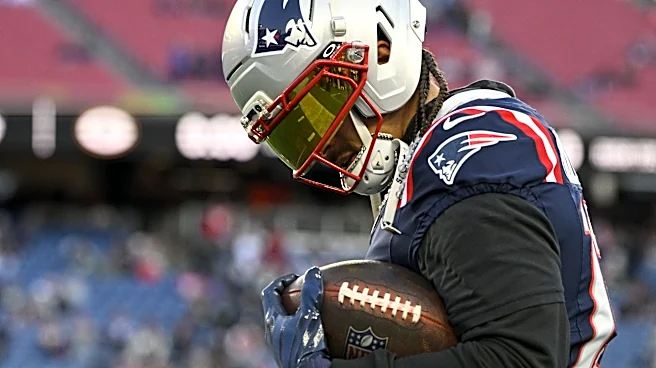
As Week 10 approaches, teams will look to either solidify their positions or reverse their fortunes based on these updated rankings. The top-ranked San Francisco 49ers are set to challenge the Dallas Cowboys, a critical matchup that could further cement their dominance or provide an upset. The New England Patriots will travel to Munich to play the Detroit Lions, a game that will test their consistency. The Denver Broncos, despite poor statistical rankings, aim to maintain their undefeated home record in a vital in-division matchup against the Las Vegas Raiders in Week 11. The Chicago Bears, with quarterback Caleb Williams clicking, will attempt to extend their winning streak against the New Orleans Saints. These upcoming games will be crucial in determining whether the current trends in the power rankings continue or if new shifts will emerge as the season progresses towards the playoffs.
Beyond the Headlines
The dynamic nature of these NFL power rankings underscores the inherent volatility and competitive balance within professional sports. Beyond mere wins and losses, the underlying metrics—offensive and defensive efficiency—reveal deeper insights into team management, player development, and strategic execution. The struggles of teams like the Chargers, despite significant offseason investments, highlight the challenges of translating talent into on-field success and the critical role of coaching and scheme. Conversely, the rapid improvement of teams like the Steelers and Bears demonstrates the potential for mid-season adjustments and breakout performances to dramatically alter a team's trajectory. This constant flux not only keeps the league engaging for fans but also provides a real-time case study in organizational performance, adaptation, and resilience in a high-stakes environment, influencing everything from player contracts to franchise valuations.