



What's Happening?
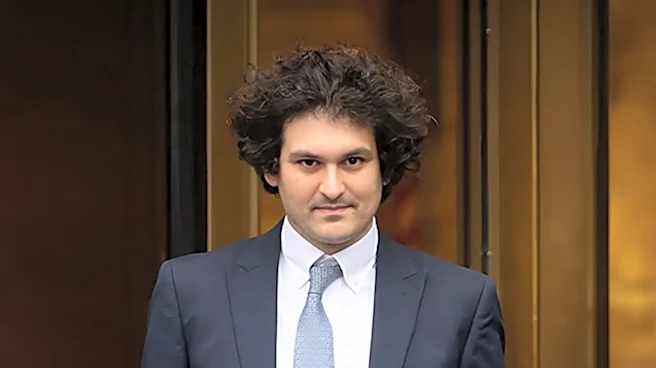
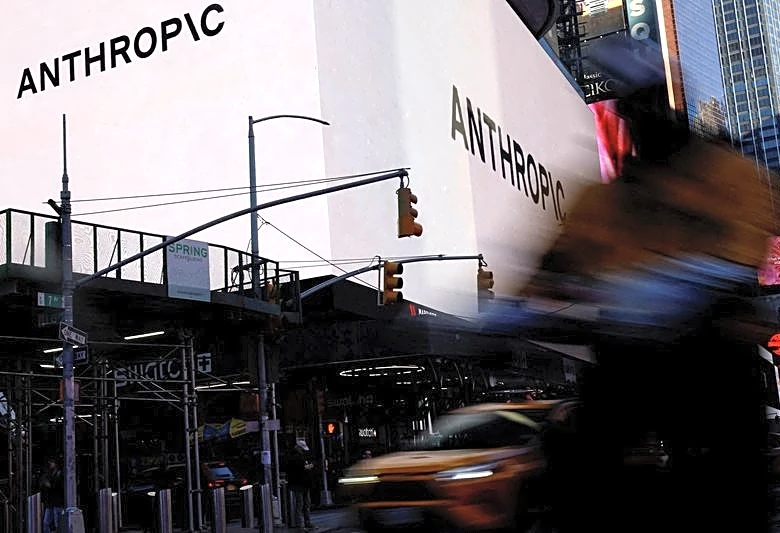
Sam Bankman-Fried, the convicted founder of FTX, is reflecting on the sale of FTX's stake in the artificial intelligence startup Anthropic. In late 2021, Bankman-Fried invested $500 million for a 13.5% stake in Anthropic. Following FTX's collapse and
subsequent bankruptcy filing in November 2022, the shares were sold in 2024 by executives overseeing the bankruptcy for $1.34 billion. This sale occurred before Anthropic's recent IPO, which saw its valuation peak at $2.01 trillion, making Bankman-Fried's original investment, if retained, worth billions of dollars. Bankman-Fried, currently serving a 25-year prison sentence for fraud and conspiracy, views this as a source of frustration, arguing that FTX had sufficient resources to avoid bankruptcy. John Ray, the corporate turnaround expert managing FTX's bankruptcy, stated that the sale was conducted through a court-supervised process and achieved market value at the time, emphasizing that billions of stolen funds were misappropriated and invested without customer consent.
Why It's Important?
The situation surrounding FTX's sale of its Anthropic stake underscores the complex and often contentious nature of bankruptcy proceedings, particularly in high-profile fraud cases. The significant disparity between the sale price and Anthropic's subsequent valuation highlights the challenges faced by bankruptcy estates in maximizing asset recovery while operating under legal and time constraints. For FTX customers, this event represents a missed opportunity for potentially greater restitution, fueling debate over the optimal strategy for liquidating assets in such scenarios. It also brings into focus the broader implications of rapid technological advancements, like those in AI, on financial markets and legal frameworks, as the value of nascent companies can skyrocket unexpectedly. The case further illustrates the lasting financial repercussions of corporate fraud, impacting not only the perpetrators but also the victims and the broader economic landscape.
What's Next?
While the Anthropic shares have been sold, the legal ramifications for Sam Bankman-Fried continue. He has pursued appeals, including a submission to the Supreme Court, citing the Anthropic investment as part of his argument that he was improperly prevented from demonstrating FTX's solvency. However, these arguments have largely been dismissed by courts, which have focused on the core facts of the fraud. The FTX bankruptcy estate, under John Ray, will continue its efforts to recover and distribute funds to creditors, a process that often involves complex legal battles and asset liquidation. The success of Anthropic may also prompt further scrutiny into how assets from failed companies, especially those in rapidly evolving sectors like AI, are valued and managed during bankruptcy, potentially influencing future legal and financial practices.
Beyond the Headlines
This case delves into the ethical and legal complexities of managing assets derived from illicit activities. Bankman-Fried's investment in Anthropic, made with misappropriated funds, raises questions about the legitimacy of such investments and the subsequent distribution of their value. The narrative also touches upon the 'effective altruism' movement, which Bankman-Fried was associated with, creating a stark contrast between his stated philanthropic ideals and his criminal actions. The rapid ascent of Anthropic, an AI company focused on safety, further highlights the intersection of cutting-edge technology, high finance, and ethical considerations. The situation serves as a cautionary tale about the volatility of cryptocurrency markets and the potential for large-scale fraud, while also illustrating the unpredictable nature of startup valuations and the challenges of asset recovery in the wake of financial collapse.