

What's Happening?
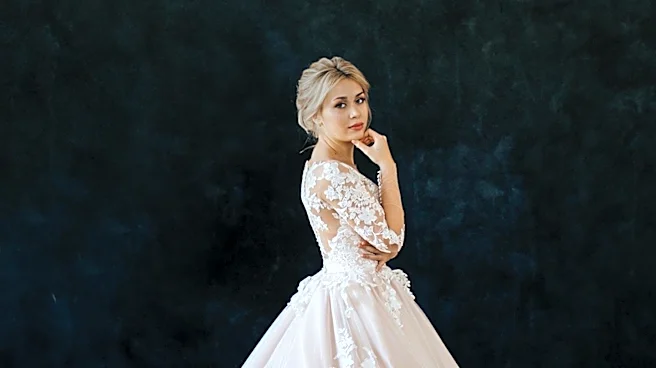
Darius Cordell Fashion, a custom formalwear studio operating since 1994, is highlighting the intricate engineering required for bespoke two-in-one or convertible wedding gowns. These gowns are designed to offer two distinct looks, typically through detachable
elements like skirts, sleeves, or trains, allowing brides to transition from a formal ceremony silhouette to a more comfortable reception style. The studio emphasizes that the success of such designs hinges on meticulous construction, where the base gown and detachable pieces are built together to ensure fit consistency and structural integrity across both looks. This approach addresses common issues found in off-the-rack convertible dresses, such as visible seams, unreliable attachment mechanisms, and inconsistent fit once elements are removed. The process involves initial consultations, measurements, fabric selection, mockup fittings, and multiple adjustments to perfect both the primary and secondary silhouettes.
Why It's Important?
The increasing demand for convertible wedding gowns reflects a significant shift in bridal fashion, driven by brides seeking both dramatic aesthetics for ceremonies and practical comfort for receptions. This trend impacts the bridal industry by pushing designers and retailers to innovate in construction and customization. For consumers, understanding the engineering behind these gowns is crucial, as poorly executed designs can lead to wardrobe malfunctions and dissatisfaction on a significant day. Bespoke options, like those offered by Darius Cordell Fashion, provide a solution to these challenges by ensuring that attachment hardware, lining, and fabric weight are coordinated from the outset, leading to a more reliable and aesthetically pleasing garment. This also highlights the value of skilled craftsmanship and personalized service in an industry often dominated by mass-produced options, influencing consumer expectations for quality and customization in high-value purchases.
What's Next?
As the popularity of convertible wedding gowns continues, the industry is likely to see further advancements in attachment technologies and construction techniques. Designers will continue to refine methods for seamless transitions and improved durability. Brides considering these gowns will need to prioritize detailed consultations and fittings, ensuring that their chosen designer can demonstrate a proven track record in handling the complexities of convertible designs. The emphasis on rehearsing the gown change with a designated helper will become a standard recommendation, underscoring the practical aspects of these innovative garments. Furthermore, the market may see an increase in specialized services focusing solely on bespoke convertible bridal wear, catering to a growing segment of brides who value both versatility and flawless execution.
Beyond the Headlines
The rise of convertible wedding gowns touches upon broader cultural shifts towards practicality and personalization in significant life events. Brides are no longer content with a single, static look for their wedding day; they desire adaptability that reflects their individual style and the multifaceted nature of modern celebrations. This trend also subtly challenges traditional notions of bridal attire, moving towards garments that are not only beautiful but also functional and versatile. The engineering challenges involved in creating these gowns highlight the intersection of fashion design with practical mechanics, where aesthetic vision must be supported by robust construction. Moreover, the emphasis on bespoke options underscores a return to artisanal craftsmanship and the value of investing in custom-made items that offer superior quality and fit, contrasting with the fast-fashion ethos prevalent in other sectors.